

Schedule Appointment

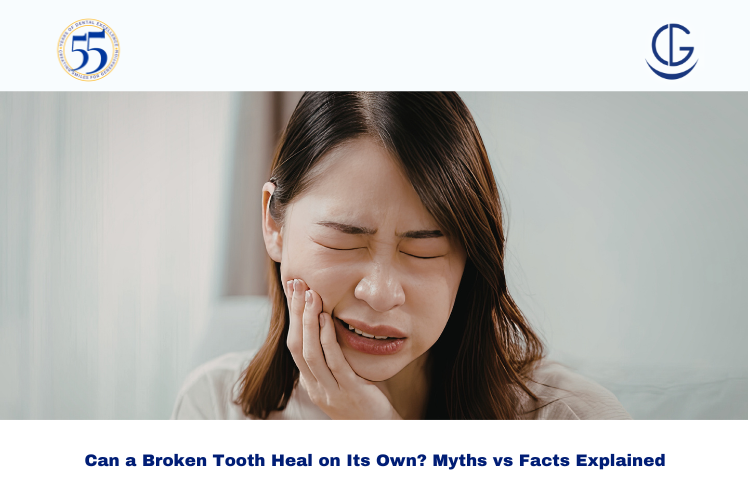
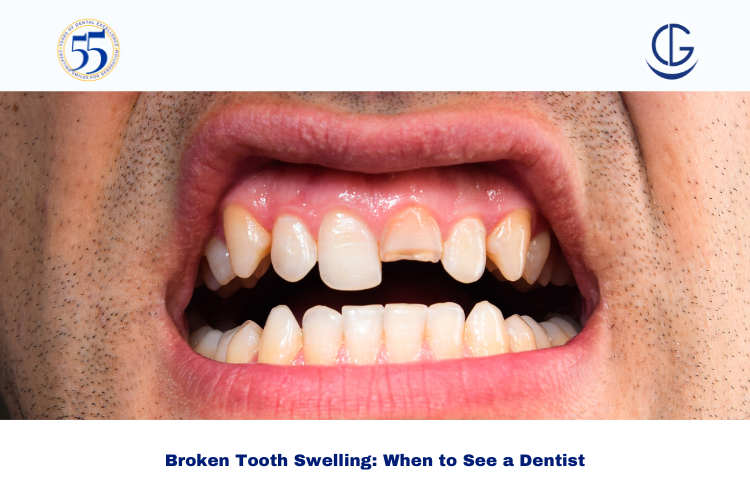
Can a broken tooth heal on its own once the pain reduces or disappears? This is one of the most common—and risky—assumptions patients make after chipping or cracking a tooth. Many people in Hyderabad delay dental evaluation believing the tooth will “settle” naturally, especially if discomfort fades. Understanding what truly heals and what doesn’t is essential to avoid silent damage.
Within the first few days after a tooth breaks, symptoms can be misleading. At Dr Gowds Dental Hospitals, patients frequently arrive weeks or months later shocked to learn that a seemingly harmless crack never healed—and quietly worsened underneath.
If you’re unsure whether a broken tooth is healing or just temporarily calm, book a consultation at Dr Gowds Dental Hospitals.
Let’s be precise. Can a broken tooth heal the way skin or bone heals?
Short answer: No.
Human teeth do not regenerate once damaged.
A broken tooth may feel better over time, but the damage remains.
This is where most myths begin.
Pain may reduce because:
However, the structural crack or fracture stays exactly where it is.
This false sense of recovery leads many Hyderabad patients to delay care—until symptoms return more aggressively.
Fact: Pain relief only means nerve irritation has reduced—not that the tooth structure is repaired.
Fact: Cracks do not close or seal naturally. Chewing pressure usually makes them spread deeper over time.
Fact: A tooth with even a small break is structurally weaker and more vulnerable to further damage.
Fact: Back teeth cracks are more dangerous because they handle heavy bite forces and fail silently.
Fact: Many cracks cause no pain until they reach the nerve—at which point damage is already advanced.
This distinction is critical. Symptom relief is not healing.
Teeth are mineralized structures designed for strength—not regeneration.
This is why dentistry focuses on protection and stabilization, not “waiting for healing.”
An untreated broken tooth doesn’t stay the same.
Over weeks or months:
Many patients are surprised when pain returns “out of nowhere.” In reality, the damage was progressing quietly.
In fast-paced cities like Hyderabad, people often delay care due to work schedules or travel. But chewing stress, temperature changes, and daily use accelerate crack progression—especially in untreated teeth.
This is why early evaluation matters, even when symptoms seem mild.
The purpose of evaluation is not immediate intervention, but understanding:
At Dr Gowds Dental Hospitals, dentists focus on explaining the condition clearly—so patients can make informed decisions instead of relying on myths.
Dr Gowds Dental Hospitals is one of Hyderabad’s leading multi-branch dental hospitals located in Gachibowli, Madhapur, Koti, and Nanakramguda.
Believing a broken tooth will heal is most dangerous when:
These situations often worsen silently.
A broken tooth does not heal.
It may simply go quiet.
Silence is not recovery—it’s often progression without symptoms.
If you’re searching for the Best Dental Hospital in Hyderabad to clarify whether your broken tooth is stable or at risk, early expert evaluation is the safest step.
Visit Us at – Gachibowli, Madhapur, Koti, Nanakramguda.
No. Tooth enamel and dentin do not regenerate. Any improvement is only symptom relief, not actual healing.
Inflammation can reduce temporarily, but the crack remains. Pain may return later, often more severely.
Not always. Small cracks can deepen silently and cause sudden pain weeks or months later.
Waiting increases the risk of deeper damage. Pain is not a reliable indicator of healing.
Only a dental evaluation can confirm crack depth and risk. Visual appearance alone is misleading.
 Gachibowli Branch