

Schedule Appointment


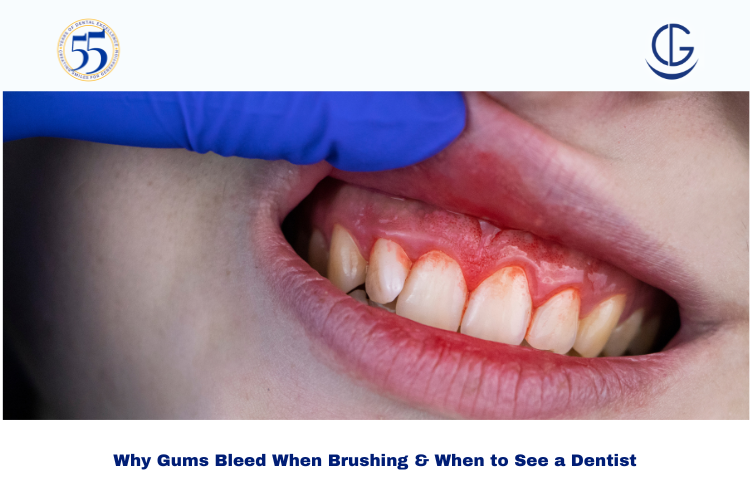
If your gums bleed when brushing, it’s easy to ignore it as “normal” — but bleeding is your body’s way of saying something that needs attention. In most cases, it starts with plaque buildup and gum inflammation, and it can worsen quietly if you delay care.
At Dr Gowds Dental Hospitals, we see many Hyderabad patients who come in worried about bleeding gums — especially when it begins suddenly or is paired with pain, swelling, or bad breath. The good news: with the right diagnosis and timely treatment, bleeding gums can often be controlled and reversed early.
If you’re noticing bleeding while brushing, don’t wait for it to become painful. Book a consultation at Dr Gowds Dental Hospitals. You can also speak to our specialists about gum care, orthodontic alignment, or aligner options if brushing discomfort is related to crowding.
Bleeding gums usually happen when the gum tissue is irritated, inflamed, or fragile. Brushing creates friction, and inflamed gums bleed more easily — even with gentle brushing.
Common patterns patients in Hyderabad mention include:
The #1 reason gums bleed when brushing is plaque buildup along the gumline. Plaque is a sticky film of bacteria. If it stays on teeth, it irritates gums and causes gingivitis (early gum inflammation).
Busy work schedules, irregular dental cleanings, frequent tea/coffee intake, and late-night snacking can all contribute to plaque buildup over time. This is why regular professional cleaning matters.
Sometimes bleeding isn’t only about gum disease — it can be mechanical trauma.
If bleeding started immediately after switching brushes or brushing technique, this may be the cause.
If bleeding persists beyond 7–10 days, it’s better to get a gum evaluation.
Many people start flossing only after they notice bleeding. The first few days can cause slight bleeding if gums are inflamed — but it should improve, not worsen.
This often suggests gum infection or deeper inflammation, not just floss irritation.
If gingivitis is untreated, it can progress into periodontitis, where infection affects deeper gum and bone support. This can become a serious oral health issue.
In these cases, brushing alone won’t solve it — you need professional gum care.
Tartar is plaque that hardens and sticks strongly to teeth. Once tartar forms, it cannot be removed by brushing.
Professional scaling and cleaning is usually required to stop the cycle.
While dental causes are most common, sometimes gum bleeding can increase due to:
This is not the first assumption — but if your oral hygiene is good and bleeding still persists, your dentist may advise a broader evaluation.
Hormonal fluctuations can make gums more sensitive and prone to inflammation, which increases bleeding risk.
Examples include:
Even in these cases, plaque control and professional cleaning still matter.
This one is tricky: tobacco can reduce visible bleeding by restricting blood flow, so gum disease may “hide.” But when bleeding does appear, it can indicate inflammation or infection.
If you use tobacco and notice bleeding, don’t delay evaluation.
In many Hyderabad patients, bleeding gums brushing is linked to:
Crowding makes plaque removal difficult even with good brushing. This is where orthodontic evaluation can help.
If you keep getting bleeding in the same area, it may be due to cleaning difficulty from alignment or spacing.
If your gums bleed when brushing, you can start with safe steps immediately:
If bleeding continues beyond 7–10 days, it’s time for a dental visit.
When gums bleed when brushing, it’s usually an early warning sign — and early action can prevent bigger dental problems. Whether it’s plaque buildup, brushing technique, gum infection, or crowding that makes cleaning difficult, the right diagnosis makes all the difference.
If you’re in Hyderabad and dealing with bleeding gums, don’t self-treat blindly. Book a consultation at Dr Gowds Dental Hospitals and visit your nearest branch in Gachibowli, Madhapur, Koti, Nanakramguda. You can also talk to an orthodontist to check whether tooth alignment is affecting gum health and explore aligner treatment if crowding is making brushing uncomfortable.
Occasional mild bleeding can happen, but repeated bleeding is not “normal.” It usually indicates inflammation from plaque or irritation that needs attention.
Most cleanings are manageable and done carefully. If gums are very inflamed, your dentist may plan the cleaning gently and advise follow-up care for comfort.
It depends on the cause. Mild gingivitis often improves within 1–2 weeks with proper cleaning and home care. Advanced gum disease may take longer and may require multiple visits.
Yes, if it’s persistent and paired with swelling, loose teeth, pus, or gum recession, it may indicate gum disease that needs professional treatment.
If crowding or misalignment makes cleaning difficult, correcting alignment can improve long-term gum health. Suitability depends on your case, so an orthodontic consultation is recommended.

 Gachibowli Branch