

Schedule Appointment

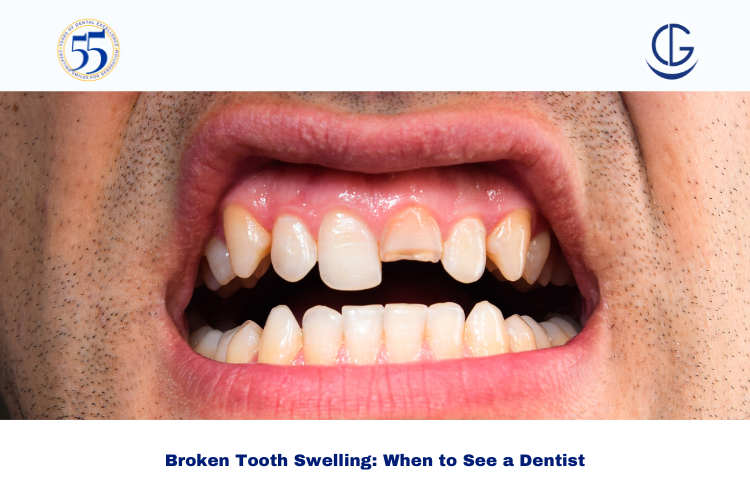
A broken tooth swelling is a common yet serious dental issue that requires immediate attention. When you break a tooth, it can lead to pain, swelling, and even infection in the surrounding areas, particularly the gums. Swelling around a broken tooth is typically a sign that the tooth has been exposed to bacteria or that there is an underlying infection. If left untreated, the condition can worsen, leading to complications such as abscesses or tooth loss.
At Dr Gowds Dental Hospitals, we specialize in offering top-tier dental care for all types of oral health concerns. If you are experiencing a broken tooth with swelling, it’s crucial to seek professional care immediately to avoid further complications.
In this blog, we’ll explore the reasons behind a broken tooth swelling, the symptoms to watch for, and the treatment options available at Dr Gowds Dental Hospitals.
Book an appointment today at Dr Gowds Dental Hospitals!
A broken tooth swelling can be caused by several factors, from traumatic injuries to underlying dental conditions. Below are some common causes:
The most common cause of a broken tooth is an injury or trauma. Whether you fall, are in a car accident, or experience a sports injury, the force can cause a tooth to fracture. Swelling often accompanies the injury as the surrounding tissue may be bruised or inflamed.
Untreated cavities or severe tooth decay can weaken the tooth structure, making it more susceptible to fractures. The decay not only weakens the tooth but can also lead to infections, causing the gums around the tooth to swell.
If you grind or clench your teeth at night, you may unknowingly cause small cracks or fractures in your teeth. Over time, the pressure can lead to significant damage, and the tooth may break, often causing swelling in the surrounding tissues.
As we age, our teeth naturally wear down. Fillings, crowns, and other dental work can also weaken over time. When the structure becomes fragile, the tooth may break, especially when subjected to pressure, leading to swelling.
If you have an old filling or dental work, it may eventually wear out or loosen, leading to fractures in the tooth. A broken tooth with swelling in this case may be caused by a leaking or failed filling, which exposes the tooth to bacteria and infection.
When a tooth breaks and causes swelling, several symptoms will accompany it. Recognizing these symptoms early can help you seek dental care before the situation worsens. Some common signs include:
A broken tooth typically causes pain, especially when chewing or biting down. The pain can range from mild discomfort to sharp, throbbing pain, depending on the extent of the damage.
One of the most common symptoms of a broken tooth is swelling around the affected area. This is usually caused by infection or inflammation of the gums. The swelling may worsen over time, and you may also experience redness or tenderness in the area.
A broken tooth may expose the dentin (the layer beneath the enamel), which is sensitive to temperature. You may notice increased sensitivity to hot or cold foods and drinks.
If the tooth is infected, you may notice pus or drainage around the broken tooth. This is a sign of a tooth abscess, which occurs when bacteria infect the tooth pulp or root.
A fractured tooth may appear discolored or darker, especially if it has been exposed to infection. This discoloration can be a sign that the tooth’s internal tissues are damaged.
A broken tooth can make it difficult to chew or bite down, especially if the fracture affects the tooth’s structure. You may feel discomfort or pain when trying to eat.
A tooth abscess is a pocket of pus that forms around the root of a broken tooth, caused by an infection. This condition usually develops when bacteria invade the tooth’s pulp through a crack or cavity. If not treated, the infection can spread to surrounding tissues, including the gums and bone, leading to more serious complications.
The symptoms of a tooth abscess include:
If you experience these symptoms, it’s important to visit Dr Gowds Dental Hospitals immediately for treatment to prevent the infection from spreading.
The treatment for a broken tooth swelling depends on the extent of the damage and whether an infection is present. Here are some treatment options:
If the fracture is minor and the tooth is not infected, a dental bonding or filling may be enough to restore the tooth. Bonding involves applying a tooth-colored resin to the damaged area, while a filling is used to fill in cavities or cracks.
If the fracture exposes the tooth pulp or causes an infection, a root canal may be necessary. This procedure removes the infected tissue inside the tooth and seals it with a biocompatible material.
For larger fractures, a dental crown may be placed over the damaged tooth to restore its function and appearance. Crowns are custom-made to fit over the tooth and protect it from further damage.
In severe cases where the tooth is too damaged to be saved, extraction may be required. After the extraction, you can opt for a dental implant or bridge to replace the missing tooth.
If an infection is present, antibiotics may be prescribed to help eliminate the bacteria. This may be done in conjunction with other treatments like a root canal or tooth extraction.
While some causes of broken teeth are unavoidable, there are steps you can take to minimize the risk of tooth fractures and swelling:
If you’re experiencing a broken tooth and swelling, it’s essential to seek treatment right away. At Dr Gowds Dental Hospitals, we offer comprehensive dental care, including treatment for broken teeth, infections, and abscesses. Our team of skilled professionals is committed to providing you with the highest quality care, ensuring a quick recovery and a healthier smile.
As the Best Dental Hospital in Hyderabad, we pride ourselves on our patient-centric approach, ensuring that you receive personalized care at every stage of your treatment. Whether you need dental bonding, root canal, or tooth extraction, we are here to help.
Book a Consultation Today – Visit our branches in Gachibowli, Madhapur, Koti, Nanakramguda to get the best dental care in Hyderabad. Don’t let a broken tooth and swelling affect your health – contact us today!
If you have a broken tooth swelling, it’s important to seek immediate dental care. Swelling could indicate an infection, and prompt treatment can prevent further complications.
Recovery time depends on the severity of the break and the treatment needed. Simple fractures may heal in a few days, while more complex treatments like root canals may take longer.
Not always. Many broken teeth can be repaired with fillings, crowns, or root canals. Extraction is only necessary if the tooth is too damaged to be saved.
Wear a mouthguard while playing sports, avoid chewing on hard objects, and practice good oral hygiene to reduce the risk of breaking a tooth.
You can take over-the-counter pain relievers like ibuprofen or acetaminophen, apply a cold compress to the swollen area, and avoid chewing on the affected tooth until you can see a dentist.
 Gachibowli Branch