

Schedule Appointment


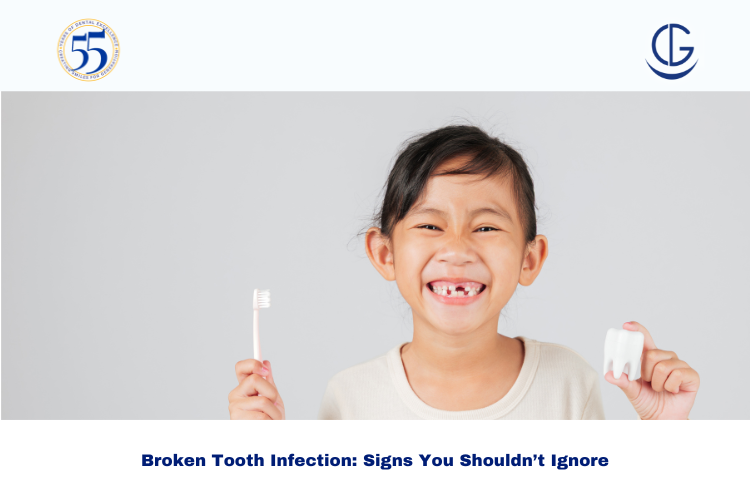
A broken tooth infection can spread beyond the tooth and, in some cases, trigger fever and body-wide symptoms if left untreated.
A chipped or fractured tooth may look like a small problem at first—especially if pain is mild or comes and goes. But when the break exposes deeper layers of the tooth (dentin or pulp), bacteria can enter and multiply. Over time, that can lead to a dental abscess or deep infection that affects the gums, jawbone, and surrounding tissues.
Within the first step of care, it helps to get evaluated early—especially if you’re in Hyderabad and want reliable, specialist-led guidance. Dr Gowds Dental Hospitals supports patients across Hyderabad with comprehensive diagnostics and treatment planning, especially for urgent issues like fractures, infections, swelling, or fever-related dental concerns.
If you’ve cracked or broken a tooth and notice pain, swelling, bad taste, or fever, book a consultation at Dr Gowds Dental Hospitals today.
A tooth isn’t just “hard enamel.” It’s layered:
When a tooth breaks, bacteria from the mouth can travel through cracks and reach the pulp. Once the pulp is infected, the infection may spread through the root into the jaw area—forming a dental abscess.
Many people delay care because the pain sometimes settles temporarily. But infection doesn’t always hurt continuously. That “quiet period” is often when bacteria continue spreading underneath.
A broken tooth doesn’t always mean infection—but the risk increases if the fracture is deep or the tooth has decay underneath. Common tooth infection symptoms include:
If you notice swelling, pus, or increasing pain after a fracture, that’s a strong indicator you may be heading toward a dental abscess.
Yes—a broken tooth infection can cause fever if infection becomes significant and spreads beyond the tooth.
Fever is not a routine symptom of a simple chip. It usually suggests:
If fever occurs with any of these, seek dental care urgently:
A fever linked to dental infection can worsen quickly. If swelling is spreading or breathing/swallowing feels difficult, treat it as urgent.
A dental abscess is a pocket of pus caused by bacterial infection. It can form:
Often occurs when bacteria enter the pulp after a fracture or deep cavity.
May occur when gum disease is present and bacteria get trapped.
Abscess infections can spread into facial spaces and, in rare cases, become medically serious. Early dental intervention prevents complications and avoids prolonged pain.
A tooth fracture is more likely to get infected when:
In a busy city, it’s common to “manage” tooth pain with tablets temporarily. The issue is: pain relief doesn’t remove infection—it only masks symptoms.
At a dental evaluation, your dentist will typically:
This is especially important for cracks that are not visible but cause deep pain while chewing—those can still lead to infection over time.
If the break is small and there’s no pulp involvement, restoration may be enough.
For moderate fractures or weakened teeth, a crown strengthens the tooth and prevents further cracking.
If infection has reached the pulp, root canal treatment removes infected tissue, disinfects canals, and seals the tooth. A crown is often recommended afterward for long-term protection.
If there is pus buildup and swelling, drainage may be required. Medication may be used as part of the plan—based on clinical need and safety.
If the tooth is severely fractured below the gumline or structurally non-restorable, removal may be recommended, followed by replacement planning.
Delaying a broken tooth infection can lead to:
A broken tooth can sometimes be linked to bite issues—like crowding, protrusion, or uneven pressure—where certain teeth take more force and crack over time.
That’s why, after stabilizing infection and restoring the tooth, some patients benefit from:
This isn’t necessary for every case, but it’s worth evaluating if fractures keep recurring or if your bite feels “off.”
Visit the nearest Hyderabad branch in Gachibowli, Madhapur, Koti, Nanakramguda. Get clarity on whether you need a filling, crown, root canal, or abscess care—and ask whether orthodontic or aligner support could prevent future damage.
In most cases, no. Infection may temporarily feel better, but bacteria often remain and can flare up later as an abscess.
Persistent pain, swelling, sensitivity that lingers, gum boils, bad taste, and pain while chewing are common signs.
Not always, but fever plus tooth pain/swelling strongly suggests a significant infection and needs urgent evaluation.
Not always. If the pulp isn’t infected and the break is not deep, a filling or crown may be enough. Testing and X-rays decide the right option.
Most procedures are done with effective local anesthesia. Patients typically feel pressure rather than pain, and post-treatment discomfort is usually manageable with proper care instructions.

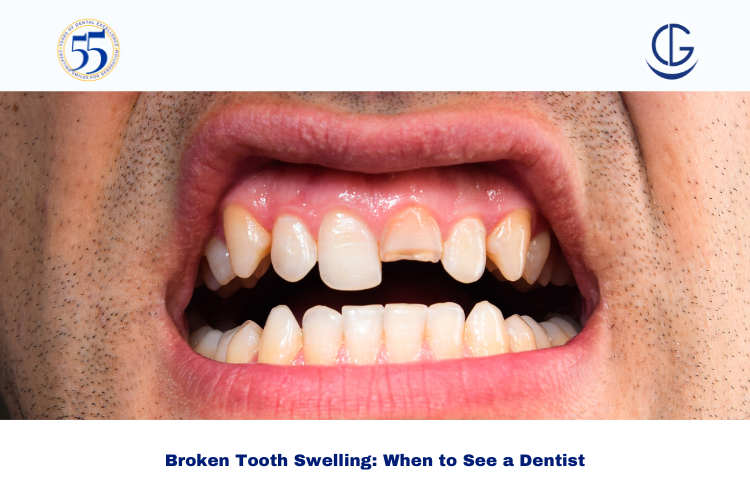

 Gachibowli Branch