

Schedule Appointment

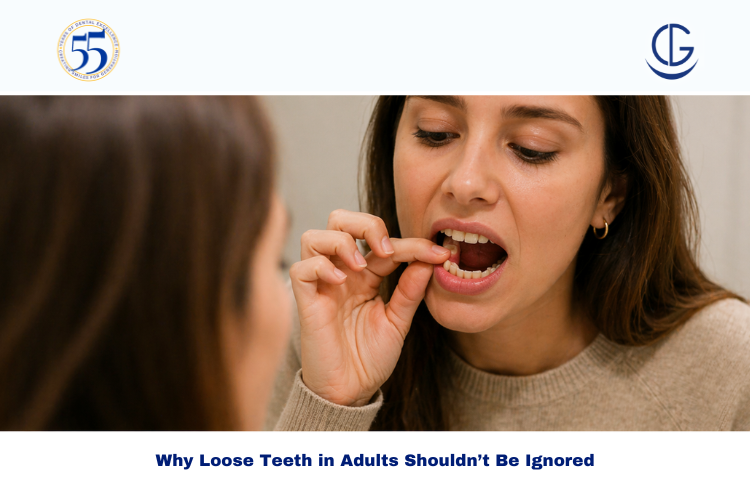
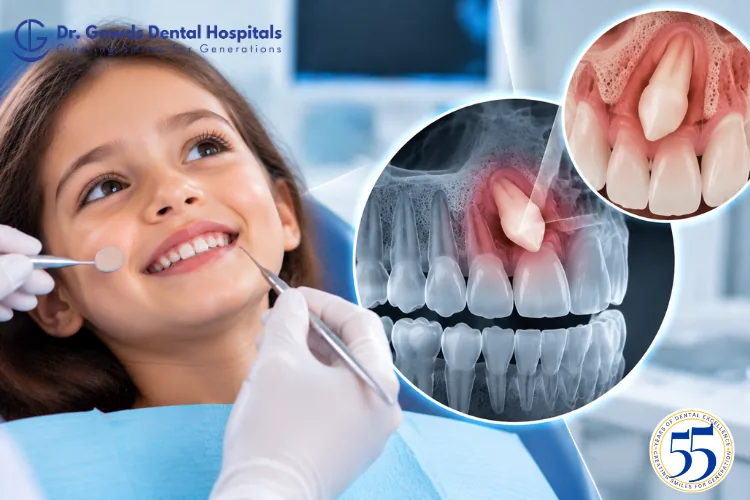
Loose teeth in adults can feel alarming, especially when it happens suddenly or starts as a mild “wiggle” that you can’t ignore. The good news is that tooth mobility is often treatable when you identify the root cause early and get the right care. At Dr Gowds Dental Hospitals, we see many Hyderabad patients who assume a loose tooth automatically means extraction—when, in many cases, timely treatment can stabilize the tooth and protect the surrounding bone and gums.
Loose teeth are rarely “just one problem.” They usually point to underlying tooth mobility causes such as gum infection, bone loss, bite forces, or trauma. This guide breaks down the most common reasons, what symptoms to watch for, what treatments may help, and when you should see a specialist.
If you’re experiencing tooth movement, gum bleeding, or pain while chewing, don’t wait. Book a consultation at Dr Gowds Dental Hospitals to get a clear diagnosis and a stabilization plan.
Unlike children, adults don’t “shed” teeth naturally. So when a tooth feels loose, it usually means the supporting structures are under stress:
When any of these weaken or inflame, tooth stability drops—and that’s when you notice mobility.
One of the most common reasons for loose teeth in adults is periodontitis, a serious gum infection that damages the tissues and bone supporting the tooth.
What happens:
Signs to watch:
Why this is common: Many people treat gum bleeding as “normal,” which delays care until mobility begins.
Bone loss can occur silently and still cause tooth movement. Bone loss may be due to:
Grinding places excessive force on teeth and the supporting ligament.
Clues bruxism may be involved:
Even if your gums look fine, repeated overload can cause mobility—especially in molars.
If your bite is uneven, one tooth may take more pressure than it should. Over time, this overload contributes to mobility.
Common bite-related triggers:
This is where orthodontic evaluation becomes important. In some cases, correcting bite stress helps stabilize mobility.
A fall, sports impact, accident, or even biting something hard can damage the ligament or fracture the root.
You may notice:
Trauma-related mobility needs prompt evaluation to prevent complications.
A deep infection around the tooth root can compromise surrounding bone.
Symptoms may include:
Treatment may involve root canal therapy, drainage, antibiotics (only if needed), and stabilization.
Some medical conditions can increase gum inflammation and mobility risk, including:
If you’re seeing repeated gum inflammation, your dentist may recommend medical coordination alongside dental care.
Tooth mobility isn’t “all or nothing.” Clinically, it’s assessed by how far the tooth moves:
This grading helps determine whether stabilization is possible and what treatments are most effective.
Seek prompt dental care if you have:
Early care can be the difference between saving the tooth and losing it.
If gum infection is the main cause, deep cleaning removes tartar and bacteria from below the gumline and helps reduce inflammation.
For advanced cases, periodontal therapy may include:
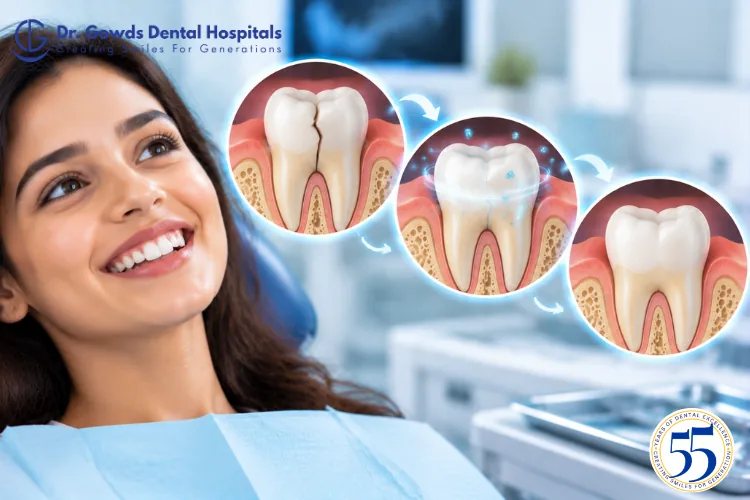
A mobile tooth can sometimes be stabilized by “splinting” it to neighboring teeth. This is often used while gums heal or during periodontal treatment.
If bite forces are contributing, your plan may include:
Where aligners fit: In select cases, aligner treatment may help correct bite imbalance and reduce overload—but it must be planned carefully when mobility exists.
If mobility is linked to deep infection, RCT may be recommended to remove infection and protect surrounding bone.
If support is too compromised, your dentist may discuss:
A responsible plan focuses on long-term function and bone health—not just quick fixes.
Sometimes, yes—especially when mobility is due to inflammation and early bone changes rather than severe bone loss. Outcomes depend on:
The key is not to self-diagnose—because treating the wrong cause can worsen mobility.
To reduce risk of loose teeth in adults, focus on:
If you’re worried about loose teeth in adults, the safest next step is a proper diagnosis—not waiting and hoping it settles. Visit Dr Gowds Dental Hospitals (widely trusted as the Best Dental Hospital in Hyderabad for multi-specialty care) to understand the exact tooth mobility causes in your case and get a clear plan.
No. Unlike childhood tooth loss, adult tooth mobility usually indicates a problem such as gum disease, bite overload, or infection.
Yes. Gum disease can progress silently, causing bone loss and looseness without obvious pain until later stages.
Not always. Many cases can be stabilized with periodontal treatment, splinting, bite correction, or infection control—especially if treated early.
Most modern treatments are manageable and done with appropriate anesthesia and comfort-focused protocols. Your dentist will explain options based on your condition.
It depends on the cause. Some cases improve after deep cleaning and follow-up, while others need phased periodontal care, splinting, or orthodontic evaluation over weeks to months.
 Gachibowli Branch