

Schedule Appointment


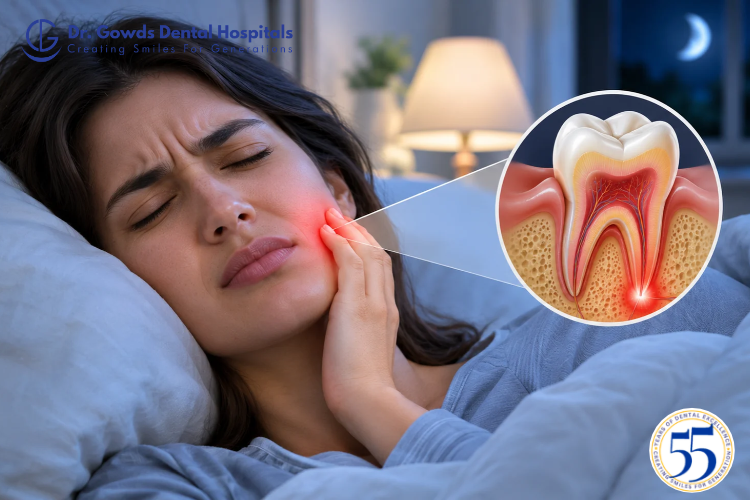
Have you ever noticed that a tooth feels manageable during the day but starts hurting more as soon as you lie down at night? Tooth pain when lying down at night can make it difficult to relax, fall asleep, or stay asleep.
The position itself may not be the original cause of the pain. Instead, lying down can sometimes make an existing dental problem feel more noticeable. At night, there are also fewer distractions, so an ache that was easy to ignore during the day may suddenly feel much stronger.
At Dr Gowds Dental Hospitals in Hyderabad, understanding the reason behind recurring tooth pain is an important part of deciding what dental care may be appropriate.
When you lie down, an existing toothache may become more noticeable than it was while you were upright. This does not necessarily mean that lying down caused the problem.
If a tooth is already sensitive or irritated, the change in position may make the discomfort feel more prominent when you are trying to sleep.
During the day, you may be working, talking, travelling, eating, or doing other activities. These distractions can take your attention away from mild dental discomfort.
At night, the environment is quieter. When you are lying in bed with nothing else demanding your attention, the same toothache can feel much more intense.
Some people clench or grind their teeth, particularly during sleep or periods of stress. This can place repeated pressure on the teeth and jaw.
If you wake up with tooth discomfort, jaw tiredness, or soreness around the teeth, nighttime clenching may be something worth discussing with a dentist.
Tooth pain can have several possible dental causes. A dental examination is the best way to determine what is actually behind recurring discomfort.
A tooth affected by decay may become sensitive or painful, particularly when exposed to certain foods and drinks.
If the discomfort is repeatedly occurring in the same tooth, especially at night, it is worth having that tooth checked instead of simply waiting for the pain to disappear.
A small crack or damaged area of a tooth can sometimes cause discomfort when biting or when the tooth is exposed to temperature changes.
Not every crack is obvious when you look in the mirror. A dentist can examine the tooth and determine whether further evaluation is needed.
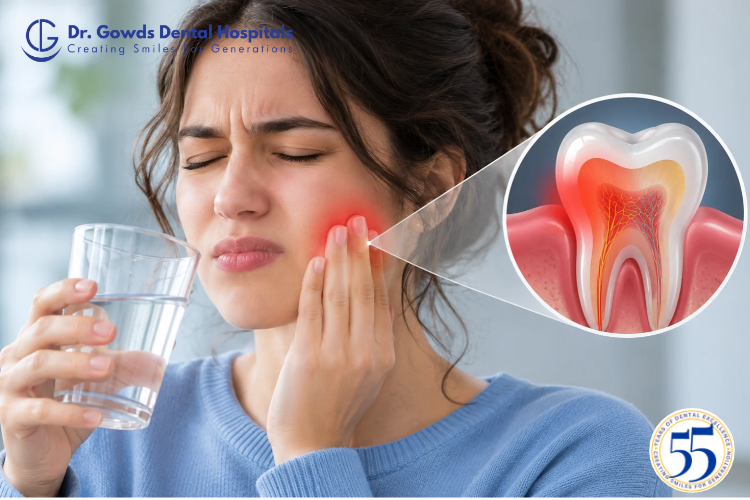
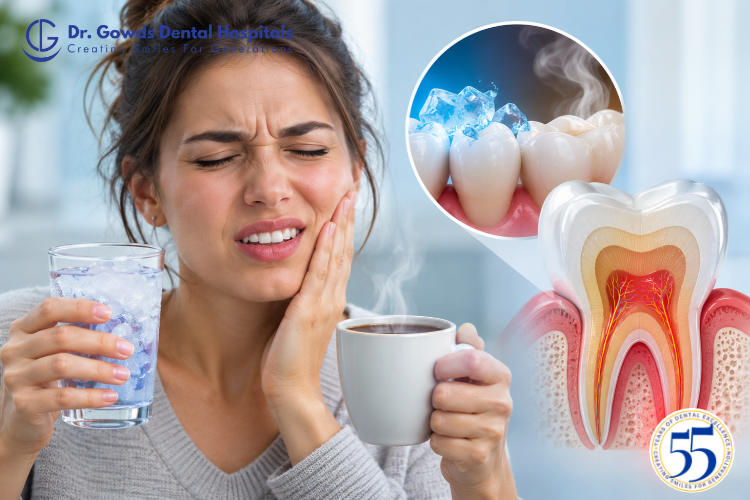
Sensitivity can cause a sharp or uncomfortable feeling when teeth come into contact with hot, cold, sweet, or acidic foods and drinks.
If sensitivity is becoming frequent or is starting to interfere with sleep, a dental check-up can help identify the possible source.
The gums around a tooth can also become uncomfortable. Swelling, tenderness, bleeding, or soreness around a particular area should not be ignored if it continues.
Sometimes what feels like tooth pain may actually be coming from the surrounding gum area.
A tooth that has previously received dental treatment can sometimes develop new discomfort later. Changes in the tooth, surrounding tissues, or the dental restoration may need to be assessed.
If the pain is consistently coming from a tooth that has already been treated, mention this during your dental appointment.
Wisdom teeth can cause discomfort when they are coming through or when the surrounding area becomes difficult to clean.
Pain toward the back of the mouth, particularly around the last molar area, may be worth having examined.
It is possible to have little or no noticeable pain during the day and still experience tooth pain when lying down at night.
This does not automatically point to one specific cause. Several factors can influence how noticeable dental pain feels, including the position you sleep in, the type of dental discomfort involved, and how much attention you are able to give the sensation.
Pay attention to patterns such as:
These details can be useful when explaining the problem to your dentist.
If you experience tooth pain when lying down at night, a few simple steps may help you manage the discomfort while arranging appropriate dental care.
Continue your normal brushing routine and clean carefully around the painful area. If food is trapped between teeth, gentle flossing may help remove it.
Avoid aggressively brushing a painful area.
If hot, cold, sweet, or very hard foods make the tooth hurt, avoid those triggers until the tooth can be assessed.
A gentle rinse with water can help keep the mouth clean, particularly after eating.
If lying completely flat seems to make the discomfort more noticeable, you may find it more comfortable to slightly elevate your upper body while resting.
A temporary reduction in pain does not necessarily explain why the pain happened in the first place.
If tooth pain repeatedly wakes you up or keeps returning at night, arrange a dental evaluation so the affected area can be examined.
If nighttime tooth pain is becoming a regular problem, Dr Gowds Dental Hospitals can help you arrange a dental consultation in Hyderabad.
Occasional mild discomfort may be easy to dismiss, but recurring dental pain deserves attention.
Consider arranging a dental appointment if:
A dentist can examine the teeth, gums, and surrounding areas and determine what needs attention.
A dental consultation usually begins with questions about your symptoms and when they occur.
Your dentist may want to know:
The examination can then focus on the area causing discomfort. Depending on what is found, the dentist can discuss the appropriate next step.
The important point is that tooth pain when lying down at night is a symptom, not a diagnosis. Finding the source is more useful than repeatedly trying to ignore the discomfort.
Tooth pain when lying down at night can be frustrating, especially when you feel fine during the day and suddenly find yourself dealing with an ache at bedtime.
Lying down may make existing discomfort more noticeable, while the quiet nighttime environment can make you more aware of the pain. Possible dental causes include decay, sensitivity, a damaged tooth, gum problems, previous dental work, wisdom teeth, or nighttime clenching.
If the problem keeps returning, do not rely only on temporary ways of managing the discomfort. A dental examination can help identify the source and guide the next step.
Looking for dental care in Hyderabad? Dr Gowds Dental Hospitals has branches in Nanakramguda, Gachibowli, Madhapur, koti.
Contact the branch most convenient for you to schedule a dental consultation.
Lying down can sometimes make an existing toothache feel more noticeable. The quiet nighttime environment may also make you more aware of discomfort that was easier to ignore during the day.
Tooth pain may be less noticeable when you are busy during the day. At night, fewer distractions can make the same discomfort much easier to notice.
Keep the area clean, avoid foods and drinks that trigger the pain, and gently clean between the teeth. If the pain keeps returning or affects your sleep, consider scheduling a dental examination.
A change in position can sometimes make existing dental discomfort feel different. This does not necessarily identify the cause, so recurring pain should be assessed by a dentist.
Tooth sensitivity can cause discomfort when the teeth are exposed to certain triggers. If sensitivity becomes frequent or starts affecting your sleep, a dental check-up can help identify the source.
Nighttime tooth pain can have several possible dental causes, including sensitivity, decay, a damaged tooth, gum-related discomfort, previous dental work, wisdom teeth, or clenching. An examination is needed to determine the specific cause.
Yes. Repeated pain that interferes with sleep is a good reason to arrange a dental consultation and have the affected area examined.

 Gachibowli Branch