

Schedule Appointment



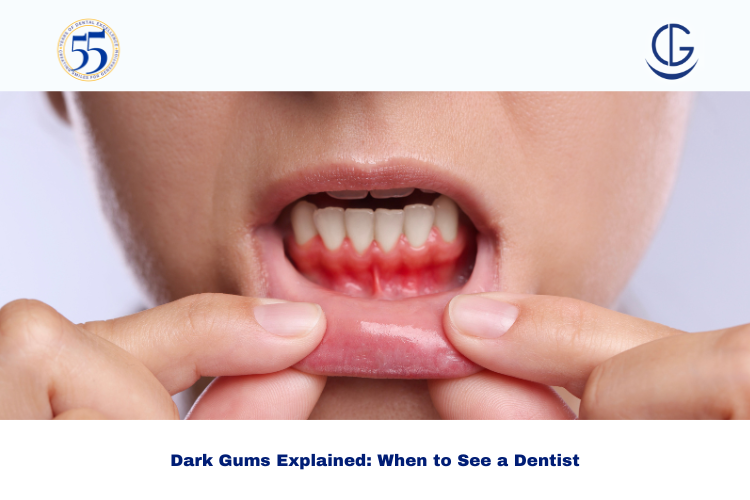
Dark gums can look harmless at first, but they may also signal gum pigmentation changes or underlying irritation that deserves attention. If you’ve noticed gum pigmentation or what people commonly call black gums, this guide will help you understand what’s normal, what’s not, and when to see a dental specialist.
Dr Gowds Dental Hospitals helps Hyderabad patients evaluate gum colour concerns with a careful clinical exam, gum-health screening, and cosmetic options when needed. We are recognized as one of the Best Dental Hospital in Hyderabad because we combine specialist care with transparent guidance, not guesswork.
If you’re worried about dark gums, book a consultation with Dr Gowds Dental Hospitals today.
“Dark gums” refers to gums that appear brown, bluish, grey, purple, or black instead of the usual light pink tone many people expect. In many cases, dark gums are simply due to natural gum pigmentation, especially in people with higher melanin levels. In other cases, colour changes can be linked to inflammation, smoking, certain medications, or gum disease.
The key point: colour alone doesn’t confirm a problem—but colour plus symptoms (pain, bleeding, swelling, bad breath, loose teeth, or gum recession) should not be ignored.
Gum colour varies due to:
Understanding the “why” matters because the correct solution depends on the cause—cosmetic pigmentation is treated very differently from gum disease.
This is one of the most common reasons for gum pigmentation. It is:
If your gums are dark but healthy, firm, and not bleeding, the cause may simply be natural pigmentation.
Tobacco can stimulate melanin production in the gums, leading to darker patches. This can be:
Reducing or quitting tobacco can prevent progression and improve overall gum health.
When plaque builds up along the gumline, gums can become inflamed. While gingivitis often looks red, some people notice:
Early gingivitis is treatable, but it needs timely cleaning and home-care correction.
If gum inflammation continues, it can progress to periodontitis. You might see:
This is not a cosmetic issue—it’s a gum-health and tooth-support issue that requires periodontal care.
Some medicines can cause gum changes (including pigmentation) in certain patients. If you started noticing dark gums after a new medication, your dentist may ask:
Never stop medication on your own—get a dental evaluation and coordinate care if needed.
While stains don’t “change gum pigment” the way melanin does, persistent plaque, tartar, and mouth irritation can make gums look unhealthy or darker. A professional cleaning often makes a visible difference.
Dark gums alone can be harmless. But dark gums with symptoms should be evaluated. Watch for:
If you notice any of these, don’t self-diagnose. A gum screening can catch problems early and avoid bigger procedures later.
At Dr Gowds Dental Hospitals, evaluation typically includes:
The goal is to clearly separate:
Treatment focuses on health first:
If your gums are healthy and you want lighter gums for aesthetic reasons, cosmetic solutions may be discussed (depending on clinical suitability). The right option depends on:
A professional consult helps you decide safely—without overpromising results.
Many people search home fixes for black gums, but gum colour is not something to “scrub away.” Overuse of abrasive powders, harsh mouth rinses, or aggressive brushing can:
A safe path is: diagnose first → treat the cause → then consider cosmetics (only if appropriate).
Patients planning braces or aligners often notice gum colour more because teeth alignment changes the way gums are seen. Also, orthodontic treatment works best when gums are healthy.
If you’re exploring aligner treatment, your dentist may recommend:
Healthy gums can improve comfort and help maintain results long-term.
If you’re seeing dark gums, gum pigmentation, or black gums—especially with bleeding, swelling, or pain—don’t wait. Book a consultation at Dr Gowds Dental Hospitals to get a clear diagnosis and a safe treatment plan.
Visit the nearest branch in Gachibowli, Madhapur, Koti, Nanakramguda and speak with a specialist. If you’re also considering smile correction, you can talk to an orthodontist and explore aligner treatment options after your gum health is confirmed.
No. Dark gums can be normal melanin pigmentation. But if you also have bleeding, swelling, pain, bad breath, or gum recession, you should get checked.
If the dark colour is from inflammation or plaque buildup, gums may look healthier after professional cleaning and better home care. Natural pigmentation may not change unless cosmetic treatment is chosen.
Dark gums by themselves usually don’t cause pain. Pain typically points to inflammation, infection, sensitivity, or gum issues that need evaluation.
When done by qualified dental specialists and after confirming gum health, cosmetic options can be safe for suitable patients. The correct choice depends on gum thickness, pigmentation depth, and sensitivity risk.
For inflammation-related issues, many patients see improvement after cleaning and a few weeks of consistent gum care. Advanced gum disease may need staged treatment and follow-ups.


 Gachibowli Branch