
Schedule Appointment

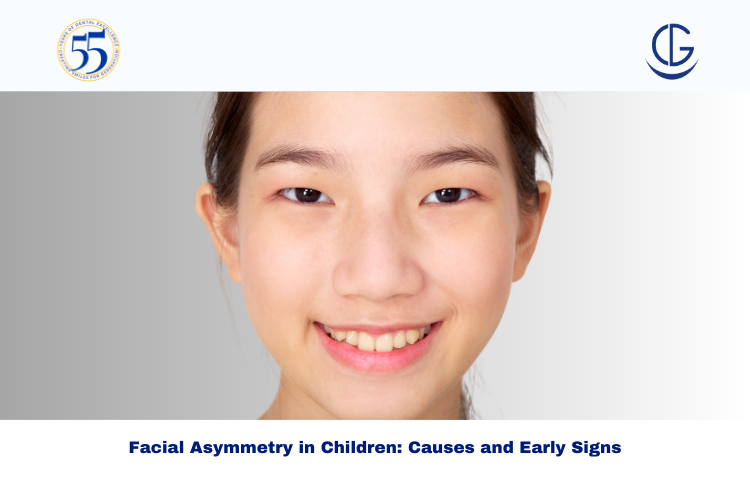
Facial asymmetry in children can be subtle at first, but early attention can make a big difference as your child grows. Many parents in Hyderabad notice small changes over time—one side of the jaw looking fuller, a smile that tilts slightly, or teeth that don’t align the way they used to. While mild asymmetry can be normal, noticeable imbalance can sometimes point to underlying growth or bite issues that benefit from an orthodontic evaluation.
At Dr Gowds Dental Hospitals, we frequently support families across Hyderabad who want clear answers and a reliable plan—without fear or confusion. Our orthodontic team focuses on guiding healthy growth, improving bite alignment, and helping children feel confident as they develop.
If you’re unsure whether your child’s facial balance is “normal” or needs attention, book an orthodontic consultation at Dr Gowds Dental Hospitals.
A child’s face is constantly changing. During growth phases—especially between ages 6 to 14—small differences between the left and right side can become more visible. In many cases, the reason is simple: one side is developing slightly faster than the other for a short period.
But when the difference is becoming more obvious, persistent, or associated with bite problems, the cause can be linked to jaw growth imbalance or functional habits that influence development.
Common contributors include:
Not every uneven feature needs treatment. The key is understanding whether the asymmetry is:
If you feel the change is becoming more noticeable year by year, it’s worth getting checked early.
Parents often catch the first clues in photos, videos, or during routine brushing.
Watch for these signs of facial asymmetry in children:
A simple tip: compare a few photos across months (not just one photo). Trends matter more than a single angle.
The jaw is one of the strongest drivers of facial symmetry. When one side grows differently, it can affect:
A jaw growth imbalance can happen due to genetics, habit patterns, or functional issues such as one-sided chewing and airway challenges.
The good news: in growing children, orthodontists can often guide growth and reduce worsening—especially when addressed at the right age.
Many children with facial imbalance also have bite issues, including:
A crossbite often causes the jaw to shift to one side to “fit,” which can increase asymmetry over time.
These can change jaw function and muscle balance, influencing facial appearance.
When teeth erupt unevenly or there is early loss of baby teeth, the bite can drift.
Some children have a bite that forces the jaw to shift to one side when closing—this can look like asymmetry even if the jaw bones are normal.
In general, an orthodontic screening is recommended around age 7, even if everything seems fine. For asymmetry concerns, consider visiting sooner if you notice:
A proper evaluation is not guesswork. At Dr Gowds, a child’s assessment typically includes:
This helps identify whether the main driver is dental alignment, jaw growth imbalance, airway factors, or a combination.
Treatment depends on the cause and growth stage. Not every child needs braces immediately—sometimes the focus is guiding growth or correcting habits that influence development.
If habits are driving asymmetry, we may recommend:
For many children, correcting a crossbite early can reduce worsening asymmetry. Expansion appliances help create balanced upper jaw width so the lower jaw doesn’t shift.
When teeth and bite relationship are contributing factors, braces can:
For selected teens, aligner treatment can be an option—especially when mild-to-moderate corrections are needed and compliance is good.
Aligners may help with:
Your orthodontist will explain whether aligners are suitable for your child’s specific needs.
Some children benefit from a two-phase approach:
This depends on the cause. Some mild asymmetry stays stable. But when driven by bite shifts or jaw growth imbalance, it can lead to:
Early evaluation doesn’t always mean early treatment—but it gives clarity and options.
Families are busy—school schedules, tuitions, sports, and long commutes. Many parents delay orthodontic visits thinking it will be time-consuming. But the reality is:
Facial balance is not only about looks—it’s often connected to how your child bites, chews, breathes, and grows. If you’ve noticed persistent facial asymmetry in children, getting expert input early can help you make calm, informed decisions.
Ready to get clarity? Book a consultation with an orthodontist at Dr Gowds Dental Hospitals. Visit your nearest branch in Gachibowli, Madhapur, Koti, Nanakramguda, discuss braces vs aligners, and get a growth-focused plan designed around your child’s comfort and long-term smile health.
Often, it isn’t painful. However, if your child has jaw strain, frequent headaches, or discomfort while chewing, an orthodontic evaluation is recommended.
If the asymmetry is related to bite position, crossbite, or teeth alignment, braces (or other orthodontic appliances) can significantly improve facial balance while the child is still growing.
A specialist checks facial growth pattern, bite relationship, and jaw position during closing. Tracking over time and appropriate imaging (when necessary) helps confirm whether there is jaw growth imbalance.
Most children adapt quickly. Mild soreness can happen initially with braces, expanders, or aligners, but it usually settles within a few days. Your orthodontist will guide comfort care and follow-up timing.
It depends on severity and timing. Some early bite corrections can take a few months, while comprehensive orthodontics may take 12–24 months. Your doctor will explain a realistic timeline after evaluation.
 Gachibowli Branch