

Schedule Appointment

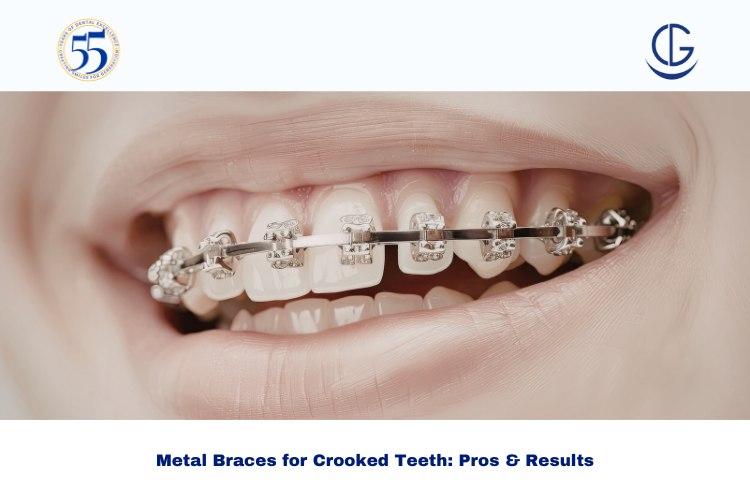
Metal braces for crooked teeth are still one of the most reliable ways to get a straighter smile—especially when alignment problems are moderate to complex. If you’re in Hyderabad and exploring orthodontic options, metal braces remain a time-tested choice because they’re precise, predictable, and effective across many bite types.
At Dr Gowds Dental Hospitals, we see a common pattern: people delay braces for years because they’re worried about pain, visibility, or long treatment timelines. The reality is more balanced. Modern braces are far more comfortable than what most people imagine, and outcomes can be genuinely life-changing—both cosmetically and functionally.
Ready to Start?
Crooked teeth aren’t only a cosmetic concern. Over time, misalignment can affect everyday comfort and long-term oral health.
In a busy city—where work schedules and social life are fast-paced—patients often want a solution that is consistent, proven, and manageable with routine visits. That’s exactly why metal braces continue to stay relevant.
Metal braces are fixed orthodontic appliances that gradually move teeth into the correct position using:
This metal braces treatment works through controlled pressure over time. The bone around the teeth adapts gradually, allowing the teeth to shift safely into better alignment.
Metal braces are especially effective for:
If your case needs more detailed tooth movement or bite correction, metal braces are often recommended because they provide excellent control.
Metal braces can handle tooth rotations, severe crowding, and bite changes better than many removable options.
Because braces are fixed, your progress doesn’t depend on “remembering to wear them.” This can make timelines more reliable.
Adults in Hyderabad often assume braces are “only for kids.” That’s outdated. Braces are common for working professionals—especially when bite correction matters.
While treatment costs vary by complexity, metal braces are often a cost-effective orthodontic solution compared to advanced cosmetic options.
If you’re worried you won’t wear aligners consistently, braces remove that compliance burden.
Metal braces are noticeable. Some patients don’t mind; others prefer ceramic braces or aligners.
You may feel soreness for 2–4 days after tightening (usually manageable with guidance).
You’ll need better brushing and cleaning habits to prevent plaque buildup around brackets.
Hard and sticky foods can break brackets or bend wires. This doesn’t mean “no enjoyment,” but you’ll need some discipline.
Results depend on your starting alignment, bite type, and how your teeth respond biologically. That said, most patients see:
For many patients, orthodontic correction is the point where they start calling their dental care journey “worth it.”
Most treatment timelines range from 12 to 24 months, depending on:
If your teeth are mildly crooked, it can be shorter. If you have bite issues along with crowding, expect longer.
Braces don’t “hurt” like a sharp pain. Most people feel pressure and soreness after:
The biggest comfort booster is simply knowing what’s normal and what isn’t—your orthodontist will guide you clearly.
You don’t need a “special diet,” but you do need smart choices.
This is one of the most common questions in today.
If you’re ready to fix crowding, rotations, or bite problems, book a consultation at Dr Gowds Dental Hospitals and meet an orthodontist who can guide you step-by-step. You can visit the nearest branch Gachibowli, Madhapur, Koti, Nanakramguda in Hyderabad, understand whether metal braces treatment or aligners suit you better, and start with a plan that’s realistic, comfortable, and results-focused. Ask us about both braces and aligner options so you choose what truly fits your smile goals.
Most people feel mild to moderate soreness for a few days after placement or tightening. It’s usually manageable with the instructions your orthodontist provides.
For many patients, it ranges from 12 to 24 months. The exact duration depends on crowding, bite correction needs, and how your teeth respond to movement.
Yes. Adults commonly get braces. The key factor is healthy gums and a proper orthodontic plan—not age.
Not always. Some cases need extractions to create space, while others can be managed with expansion or minor reshaping. Your orthodontist will recommend what’s appropriate for your case.
You’ll need retainers to keep teeth from shifting back. Retainers are a critical part of maintaining your results long-term.
 Gachibowli Branch