Schedule Appointment

Success Thank you for booking an appointment
Close
By submitting also accept the cookies for better engagement Get help Consult Doctor

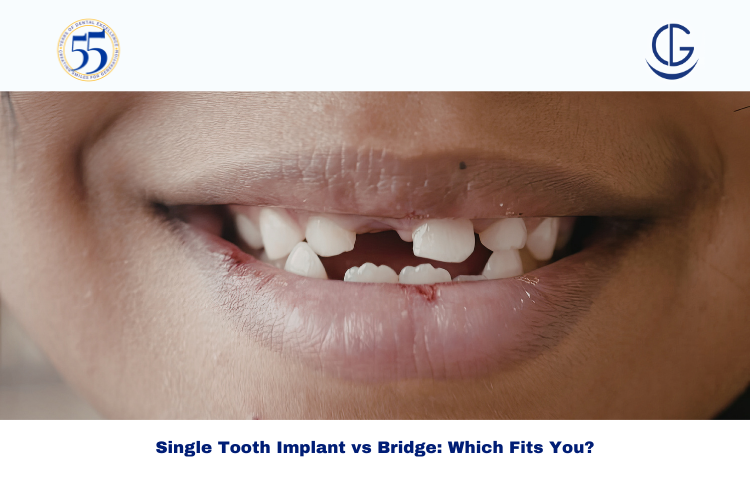
Single Tooth Implant vs Bridge: Which Is Better?

Single tooth implant vs bridge is one of the most common decisions people face after losing a tooth—especially when you want something that looks natural, feels stable, and lasts. If you’re considering replacement options in Hyderabad, this guide will help you understand the real differences in comfort, longevity, treatment time, and long-term maintenance.

At Dr Gowds Dental Hospitals, we see patients daily from across Hyderabad—who want a clear, honest recommendation based on their mouth, bone support, bite, and lifestyle. The best choice is not “one-size-fits-all”—it’s what fits your clinical situation and long-term goals.

If you’re deciding between an implant and a bridge, book a consultation at Dr Gowds Dental Hospitals to get a clear treatment plan after a dental examination and X-ray/scan. 

Why Tooth Replacement Shouldn’t Be Delayed

Many people wait until “it starts bothering” them. But delaying tooth replacement can trigger changes that make treatment more complex later.

Here’s what can happen if a missing tooth is left untreated:

  • Bone shrinkage in the empty space over time
  • Neighboring teeth tilt or drift into the gap
  • Opposite tooth may over-erupt (come down/up too far)
  • Chewing imbalance can lead to jaw strain or bite issues
  • Smile gaps may affect confidence and speech clarity

If you’ve recently had an extraction or lost a tooth due to decay, trauma, or gum disease, it’s worth planning early—especially if you want the most conservative and stable long-term solution.

What Is a Single Tooth Implant?

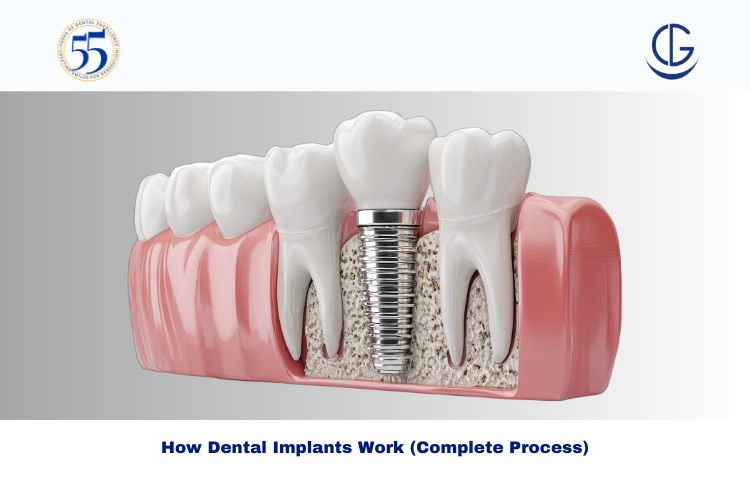
A single tooth implant replaces the missing tooth root with a titanium (or titanium-alloy) implant placed into the jawbone. After healing, a crown is fixed on top, designed to match your natural teeth.

What a Single Tooth Implant Includes

  • Implant fixture (root replacement)
  • Healing period for bone integration
  • Abutment (connector)
  • Crown (visible tooth portion)

Why Many Patients Prefer an Implant

  • Doesn’t require cutting adjacent teeth
  • Helps preserve bone in the missing-tooth area
  • Feels closest to a natural tooth
  • Strong, stable chewing function

What Is a Dental Bridge?

A bridge replaces a missing tooth by placing crowns on the adjacent teeth (support teeth), with an artificial tooth (pontic) in between.

Common Types of Bridges for One Missing Tooth

  • Traditional bridge (crowns on both sides)
  • Cantilever bridge (support on one side only—used selectively)
  • Resin-bonded bridge (Maryland bridge—more conservative in some cases)

Why Some Patients Choose a Bridge

  • Usually faster than implant timelines
  • May be suitable if bone support is weak and you’re not ready for implant-related procedures
  • Often chosen when adjacent teeth already need crowns

Implant vs Bridge — Quick Comparison 

Here’s a clear, practical comparison:

Single Tooth Implant

Best for:

  • Long-term stability
  • Preserving bone
  • Not touching adjacent teeth

Considerations:

  • Healing time is longer
  • Needs adequate bone support (or bone grafting in some cases)

Dental Bridge

Best for:

  • Faster replacement in many cases
  • When neighboring teeth already need crowns

Considerations:

  • Adjacent teeth often need reshaping
  • Doesn’t prevent bone loss under the missing tooth area
  • May need replacement earlier than implants depending on care and material

Which Option Feels More Natural?

In most cases, a single tooth implant feels more like a natural tooth because it is anchored in bone, similar to a natural root.

A bridge can also feel natural, but some patients notice:

  • Food traps around the pontic area
  • Flossing and cleaning needs extra attention
  • Slight bite differences depending on fit and occlusion

What About Pain and Comfort?

This is one of the biggest search concerns in Hyderabad: “Will it hurt?”

Implant Comfort

  • Implant placement is done under local anesthesia.
  • Post-procedure discomfort is usually manageable with prescribed medications.
  • Many people describe it as similar to extraction recovery.

Bridge Comfort

  • Generally less invasive than implant surgery.
  • However, reshaping adjacent teeth can cause temporary sensitivity.
  • Gum irritation can occur if the bridge margin or pontic area needs adjustments.

Real talk: Pain levels depend more on your case complexity than the procedure label. A careful plan and good follow-up matter most.

Treatment Time — Which Is Faster?

Bridge Timeline (Often Faster)

A bridge can sometimes be completed within a few appointments.

Single Tooth Implant Timeline (Typically Longer)

A single tooth implant may take several weeks to a few months, depending on:

  • Bone quality
  • Healing response
  • Whether grafting is needed
  • Crown type and bite complexity

If you have a major event coming up (wedding, relocation, job change), your dentist can plan a temporary tooth solution while the implant heals.

Durability — Which Lasts Longer?

When done well and maintained properly:

  • Single tooth implants can last many years and often longer than bridges.
  • Bridges may also last long, but they are more dependent on the health of the supporting teeth and gum margins.

Key factors that affect long-term success:

  • Oral hygiene consistency
  • Bite forces (especially if you grind/clench)
  • Gum health and regular professional cleanings
  • Material quality and fit

Cost in Hyderabad — Implant vs Bridge

Cost is a real factor, and it varies based on:

  • Implant system used
  • Crown material (zirconia, ceramic, etc.)
  • Whether grafting or sinus lift is needed
  • Bridge length and crown materials
  • Complexity of your bite

What’s the “value” difference?

A bridge may appear cheaper upfront, but an implant may offer better long-term value because it:

  • preserves bone,
  • avoids cutting adjacent teeth,
  • and often reduces the chance of re-treatment in the same area.

The best approach is to get a clear treatment plan with options, not just a number.

Who Should Choose a Single Tooth Implant?

You may be a strong candidate if:

  • You have healthy gums and controlled oral inflammation
  • There is enough bone (or grafting is possible)
  • You want a long-term, independent tooth replacement
  • You want to avoid reshaping neighboring teeth

Who Should Choose a Bridge?

A bridge may be suitable if:

  • Adjacent teeth already have large fillings or need crowns
  • You need faster replacement for function or appearance
  • You are not ready for implant surgery at the moment
  • Your dentist recommends it based on bite and support teeth condition

Conclusion

Still unsure whether a single tooth implant or a bridge is right for you? Don’t decide based only on Google or price lists. Book a consultation at Dr Gowds Dental Hospitals and get a plan based on your bone, bite, and smile goals. Visit the nearest branch in GachibowliMadhapurKotiNanakramguda to discuss tooth replacement options, speak with a specialist, and—if alignment is part of the issue—talk to an orthodontist and explore aligner treatment for a complete smile plan.

FAQs — Single Tooth Implant vs Bridge 

1) Is a single tooth implant painful?

Implant placement is done under anesthesia, so you shouldn’t feel pain during the procedure. Mild soreness afterward is common and typically manageable with prescribed medication.

2) Can I eat normally after an implant or bridge?

With a bridge, you may return to normal chewing sooner. With an implant, you may need a healing phase before full chewing strength returns—your dentist will guide you based on stability and healing.

3) Which option is safer long-term: implant vs bridge?

Both are safe when planned properly. Implants are often preferred long-term because they don’t depend on neighboring teeth and can help preserve bone, but suitability depends on your clinical condition.

4) How do I know I can trust the treatment plan?

A trustworthy plan explains why a recommendation is being made, shows your scan/X-ray findings, and provides options with pros/cons—not pressure. Dr Gowds Dental Hospitals focuses on case-based recommendations with clear patient communication.

5) How many follow-ups are needed?

Bridges usually need follow-ups for fit and bite adjustment. Implants need follow-ups during healing to ensure integration, gum health, and crown fit. Regular reviews also help prevent complications in both.
Leave a Reply

Your email address will not be published. Required fields are marked *

WhatsApp