

Schedule Appointment

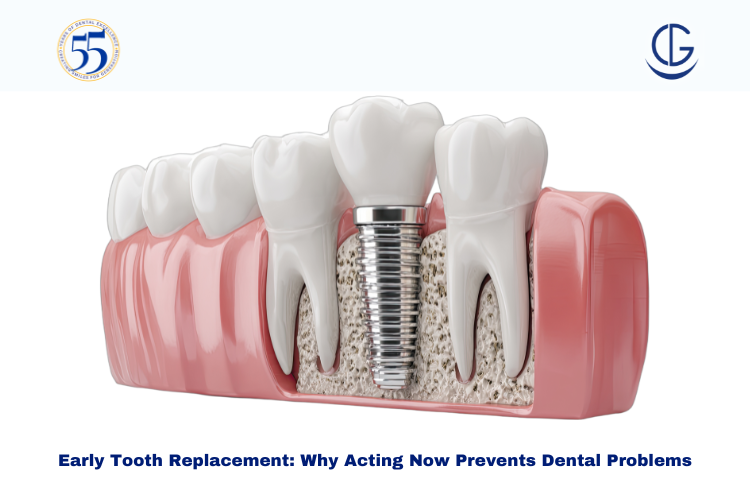
Early tooth replacement isn’t just about looks — it’s one of the smartest preventive steps you can take to protect your bite, jaw health, and long-term dental costs. When a tooth goes missing, the surrounding teeth and bone start adapting in ways that often create bigger problems later.
At Dr Gowds Dental Hospitals, we regularly see patients across Hyderabad who delay replacing a missing tooth and then return months later with new issues like shifting teeth, bite imbalance, jaw discomfort, or gum problems. Acting early can reduce complications, protect your smile, and help you avoid more complex procedures.
Many people assume a missing tooth isn’t urgent if it doesn’t hurt. That’s a risky assumption. Your mouth is a system — when one tooth is missing, everything around it begins to change.
Here’s what commonly happens when replacement is delayed:
This is exactly why early tooth replacement is a major pillar of preventive dentistry — it’s about stopping chain reactions before they begin.
Your jawbone stays strong because chewing pressure stimulates it. When a tooth is missing, that area stops receiving stimulation, and the bone may begin to shrink over time.
Early replacement can help:
A gap is like an empty parking spot — teeth nearby gradually move into it. This shifting can create:
If teeth shift too much, you may need:
That’s why many specialists recommend early tooth replacement before alignment becomes a problem.
When teeth shift and opposing teeth over-erupt, the bite changes. Over time, bite imbalance can cause:
In a busy city like Hyderabad, where people often delay care due to work schedules, bite problems can quietly grow until they start affecting daily life.
Delaying replacement often increases total treatment cost because you may need additional procedures such as:
In preventive dentistry, the goal is simple: small action now prevents big correction later.
Pain is not a reliable indicator in dentistry. Many serious issues (like bone loss or shifting) can progress silently.
A short delay may still be manageable, but the longer it goes, the more likely teeth start shifting and bone changes begin.
Modern dentistry offers multiple options. A consultation helps you choose the simplest and safest plan for your situation.
Most replacement plans are designed for comfort and natural function. The key is choosing the right solution early, before the bite changes.
Your ideal solution depends on which tooth is missing, your bone health, and your bite.
An implant replaces the root and the crown, helping maintain bone stimulation.
Often chosen for:
A bridge uses nearby teeth as support and fills the gap.
Often chosen for:
If the gap has been present for a long time, teeth may tilt into it. In such cases, aligners/braces may be needed to reopen space before replacement.
This is where talking to an orthodontist becomes important — especially if you’re noticing:
If you have a missing tooth and notice any of the following, it’s time to act:
Even if there’s no pain, these are signals that changes are already happening.
A missing tooth is not just a gap — it can be the starting point of shifting teeth, bone loss, bite imbalance, and future treatment complexity. Early tooth replacement is a core part of preventive dentistry, helping you protect your smile before small issues turn into bigger dental problems.
Don’t wait until the gap creates new complications. Book a consultation at Dr Gowds Dental Hospitals to explore early replacement options, speak to a specialist, and if needed, talk to an orthodontist about aligner treatment to keep your bite stable. Visit your nearest branch in Gachibowli, Madhapur, Koti, Nanakramguda and get a plan that protects your long-term dental health.
Yes. Back teeth maintain chewing balance and prevent shifting. Even a hidden gap can cause bite changes over time.
In many cases, yes. Early replacement helps prevent drifting and crowding that often lead to orthodontic correction.
Most patients report mild to moderate discomfort depending on the chosen treatment, but it is typically manageable with proper guidance and follow-ups.
This depends on bone health, gum condition, nearby teeth, and your bite. A dentist will explain the pros and cons based on your specific gap.
Yes. Many cases benefit from combined planning across restorative and orthodontic specialists so the bite stays stable long-term.
 Gachibowli Branch