

Schedule Appointment

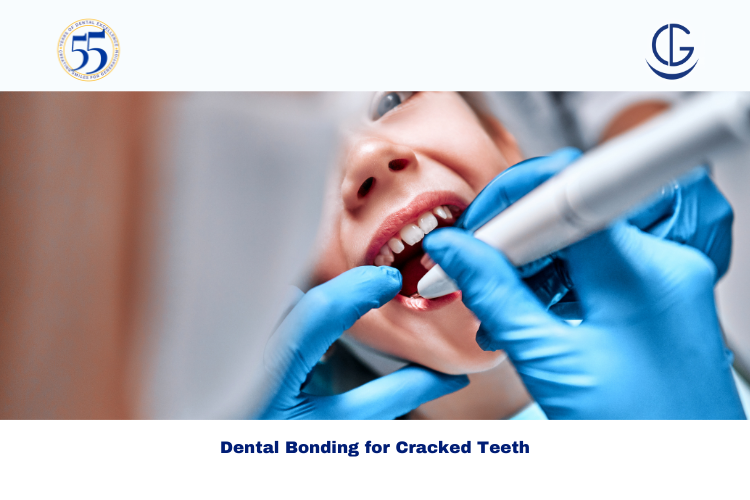
Dental Bonding for Cracked Teeth is one of the fastest and most affordable ways to restore a damaged tooth before the problem becomes worse. At Dr Gowds Dental Hospitals, patients across Hyderabad often choose bonding when they want a conservative, natural-looking solution for minor cracks, chips, and visible tooth damage.
A cracked tooth may seem small at first, but it can affect your comfort, confidence, and long-term oral health. In many cases, early treatment helps protect the tooth and improves appearance without extensive procedures.
Book a consultation at Dr Gowds Dental Hospitals today to find out whether dental bonding is the right fix for your cracked tooth.
Dental bonding for cracked teeth is a cosmetic and restorative procedure in which a tooth-colored composite resin is applied to the damaged area, shaped carefully, and hardened using a special curing light. The material bonds to the natural tooth surface and helps restore its appearance and basic function.
This treatment is commonly recommended for:
It is called “bonding” because the material adheres directly to the tooth. This makes it a minimally invasive option compared with crowns or veneers in suitable cases.
A cracked tooth is not always just a cosmetic issue. Even a small crack can lead to bigger concerns if left untreated. Depending on its depth and location, a crack may allow bacteria to enter the tooth, increase sensitivity, or make the tooth weaker over time.
Common issues linked to untreated cracks include:
Dental bonding for cracked teeth works best when the crack is small to moderate and the tooth structure is still strong overall. It is often suitable for front teeth and visible areas where both appearance and function matter.
Your dentist may recommend bonding if:
Hairline cracks or small visible fractures can often be covered and protected with bonding.
If the damage is limited and the tooth remains stable, bonding may be enough.
Bonding usually requires minimal removal of natural tooth structure.
Compared with some other cosmetic and restorative options, bonding is often more budget-friendly.
Many patients choose bonding because it is typically completed in one appointment.
While dental bonding for cracked teeth is effective in many cases, it is not ideal for every crack. A deeper crack, a crack extending below the gum line, or a tooth weakened by decay may need more advanced treatment.
In such cases, your dentist may suggest:
This is why a proper dental examination is important. A tooth that looks only slightly damaged on the outside may need more support internally.
You may benefit from an evaluation if you notice:
At Dr Gowds Dental Hospitals, the treatment process is designed to be smooth and comfortable for patients.
Your dentist checks the tooth, studies the crack, and decides whether bonding is suitable. In some cases, X-rays may be advised to rule out deeper structural issues.
A composite resin shade is selected to match your natural tooth color for a seamless look.
The tooth surface is gently prepared so the bonding material can adhere properly.
The dentist applies the resin to the cracked area and carefully sculpts it.
A special light is used to harden the bonding material.
The restored tooth is shaped to fit your bite and polished to blend naturally with your smile.
For many patients, the procedure is simple and does not require major downtime.
Dental bonding continues to be a popular treatment because it offers several practical advantages.
In many cases, treatment can be completed in a single sitting.
It is often more affordable than crowns or veneers for minor damage.
Little to no drilling may be needed in suitable cases.
The composite resin is matched to the surrounding teeth.
A visible crack in a front tooth can affect your smile. Bonding helps restore appearance quickly.
Bonding can help smooth rough edges and protect the damaged area from further wear.
For most patients, dental bonding for cracked teeth is not painful. If the crack is small and limited to the outer part of the tooth, the procedure is usually quite comfortable. Anesthesia may not even be required in many cases.
However, if the tooth is sensitive or the damage is deeper, your dentist may use local anesthesia to keep you comfortable.
At Dr Gowds Dental Hospitals, patient comfort is always prioritized, and the treating team will explain every step clearly before starting.
The lifespan of bonding depends on several factors:
In many cases, bonding can last several years with proper care. However, it is not as strong as a full crown, so regular follow-up is important.
To make bonding last longer:
Bonding is often quicker and more affordable. Veneers may be recommended when appearance changes are more extensive.
Crowns offer greater strength for heavily damaged teeth, but bonding is less invasive for small cracks.
If the crack affects the tooth nerve, bonding alone may not be enough. In that case, root canal treatment followed by a crown may be needed.
One of the biggest reasons people ask about dental bonding for cracked teeth is affordability. Compared with more extensive restorations, bonding is generally considered a more budget-conscious solution for minor cracks.
That said, cost depends on:
The best way to know your treatment plan is through a consultation. A proper assessment helps avoid guesswork.
You should book an appointment if:
Early evaluation matters. What seems like a minor crack can become a deeper problem if neglected. If you want a quick, practical, and aesthetically pleasing solution, dental bonding may be the right choice.
Ready to repair a cracked tooth without delay? Book your consultation at Dr Gowds Dental Hospitals and visit the nearest branch in Gachibowli, Madhapur, Koti, Nanakramguda.
Usually, no. Most patients find the procedure comfortable, especially when the crack is small. If the tooth is sensitive, the dentist may use local anesthesia.
In many cases, bonding can be completed in a single visit. The exact duration depends on the size of the crack and the tooth involved.
Bonding is durable, but not permanent. It can last for years with proper care, though some patients may need touch-ups over time.
Dr Gowds Dental Hospitals offers multi-specialty dental care, experienced doctors, clear treatment planning, and patient-friendly support, making it a trusted choice for many Hyderabad patients.
Yes. The composite material is selected to match your natural tooth shade, so the repaired tooth usually blends in very well.
 Gachibowli Branch