

Schedule Appointment

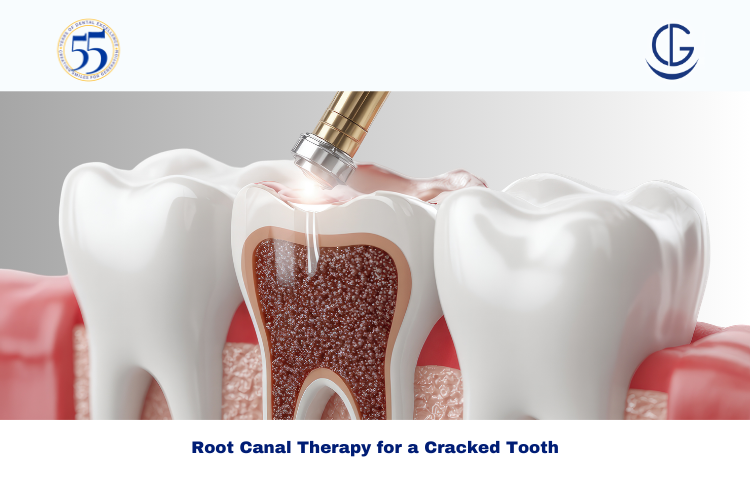
Root Canal Therapy is often the best way to save a cracked tooth when the inner nerve and pulp are exposed. At Dr Gowds Dental Hospitals, we regularly treat patients in Hyderabad who come in with sudden tooth pain, sensitivity, swelling, or a cracked tooth that has become too painful to ignore.
A cracked tooth is not always just a cosmetic issue. Once the crack reaches the inner layers of the tooth, bacteria can enter the pulp and cause severe pain, infection, and long-term damage. Timely treatment can often save the natural tooth and prevent extraction.
Looking for fast relief from tooth pain or a cracked tooth in Hyderabad? Book a consultation with Dr Gowds Dental Hospitals today, and get expert guidance on the right treatment for your smile.
A tooth has multiple layers:
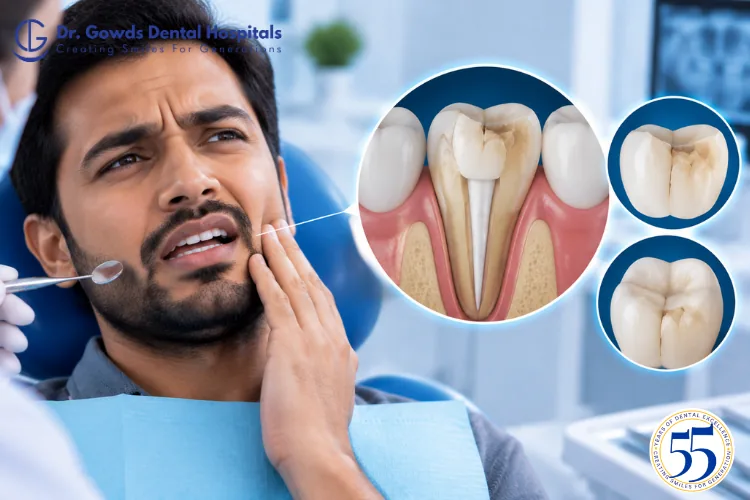
When a crack stays limited to the enamel, symptoms may be mild or absent. But when the crack extends into the dentin or pulp, the tooth can become extremely sensitive and painful.
You may notice:
When the nerve is exposed or inflamed, the tooth usually cannot heal on its own. This is where Root Canal Therapy becomes important.
A cracked tooth does not always need removal. In many cases, Root Canal Therapy allows the dentist to remove infected or inflamed pulp, clean the inside of the tooth, disinfect the canals, and seal the tooth to prevent further infection.
This treatment helps by:
Saving your natural tooth is usually better than removing it, especially when the tooth can still function well after treatment and restoration.
A cracked tooth can happen for several reasons, and many patients in Hyderabad ignore early signs until the pain becomes severe.
Ice, hard candy, bones, and certain nuts can crack a weak tooth.
A tooth weakened by deep decay is more likely to fracture.
Teeth with extensive restorations may have less natural strength.
Habitual grinding can place repeated pressure on teeth and lead to cracks.
A fall, sports injury, or accident can fracture a tooth.
Very hot and very cold foods back-to-back may contribute to tooth stress in some cases.
If the crack reaches the pulp, immediate dental care becomes essential.
Not every cracked tooth needs the same treatment. But certain symptoms strongly suggest that the pulp has been affected.
If you delay treatment, the infection can worsen and affect the surrounding bone and gums.
Patients are often anxious when they hear the term root canal, but modern treatment is far more comfortable than most people expect.
Your dentist examines the tooth, checks symptoms, and may use dental imaging to evaluate the crack and pulp involvement.
The area is numbed to keep you comfortable during treatment.
The inflamed or infected pulp is removed from inside the tooth.
The root canals are carefully cleaned and disinfected.
The cleaned canals are sealed to prevent reinfection.
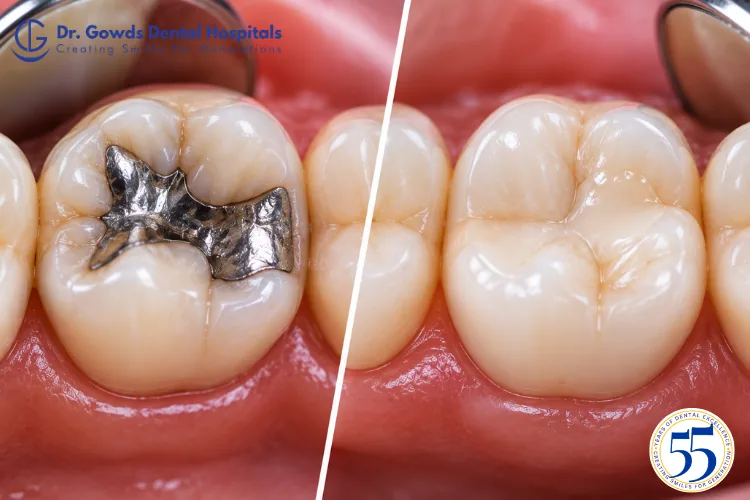
In many cracked tooth cases, a crown is recommended after Root Canal Therapy to protect the tooth from further fracture.
At Dr Gowds Dental Hospitals, the treatment plan depends on how deep the crack is and whether the tooth can be restored safely.
No, and it is important to be honest about that.
A common assumption is that every cracked tooth can be saved with a root canal. That is not always true. If the crack extends too far below the gum line or splits the tooth in a way that makes it unrestorable, extraction may be the safer choice.
An intelligent clinical approach asks:
This is why early diagnosis matters. The sooner you seek care, the higher the chance of saving the tooth.
Many patients try to manage the pain with painkillers or wait for the discomfort to settle. That can be risky.
Delaying treatment can lead to:
If your cracked tooth is causing nerve pain, do not wait for it to become unbearable.
After treatment, mild soreness for a few days can happen, especially if the tooth was badly inflamed before treatment. Most patients can return to routine activities quickly.
You may be advised to:
A root canal-treated tooth that is properly restored can function well for years.
Yes, sometimes they can.
This is an important perspective many patients miss. A cracked tooth may not only be about one bad bite on a hard food item. In some cases, deep bite problems, crowding, clenching, or uneven pressure can repeatedly overload certain teeth.
That means after emergency pain relief and Root Canal Therapy, some patients may also benefit from evaluation for:
This is why a multi-specialty setup matters. It helps address not only the damaged tooth, but also the reason it became vulnerable in the first place.
A cracked tooth exposing the nerve is not something to ignore. The pain can escalate quickly, and delaying treatment may reduce the chance of saving the tooth. In many cases, Root Canal Therapy is the treatment that removes infection, relieves pain, and preserves the tooth before the damage becomes irreversible.
If you are experiencing tooth pain, sensitivity, or a visible crack, consult the experts at Dr Gowds Dental Hospitals. With branches across Hyderabad, timely care is within reach.
Book your consultation with Dr Gowds Dental Hospitals today and visit your nearest branch in Gachibowli, Madhapur, Koti, Nanakramguda.
Modern Root Canal Therapy is usually much more comfortable than people expect. The treatment is done under local anesthesia, and its main purpose is actually to relieve the pain caused by the infected or exposed nerve.
It depends on how deep the crack is. If the crack has not made the tooth unrestorable, Root Canal Therapy followed by a protective crown may help save it. A proper examination is necessary to decide this.
The duration depends on the tooth and the extent of infection. Some cases can be treated in fewer visits, while more complex cracked tooth cases may require additional care and restoration.
Root Canal Therapy is handled by experienced dental professionals trained to diagnose pulp damage, clean infected canals, and restore the tooth safely and comfortably.
In many cases, yes. A crown is often recommended to protect the treated tooth, especially if the tooth was cracked and structurally weakened.
 Gachibowli Branch