

Schedule Appointment

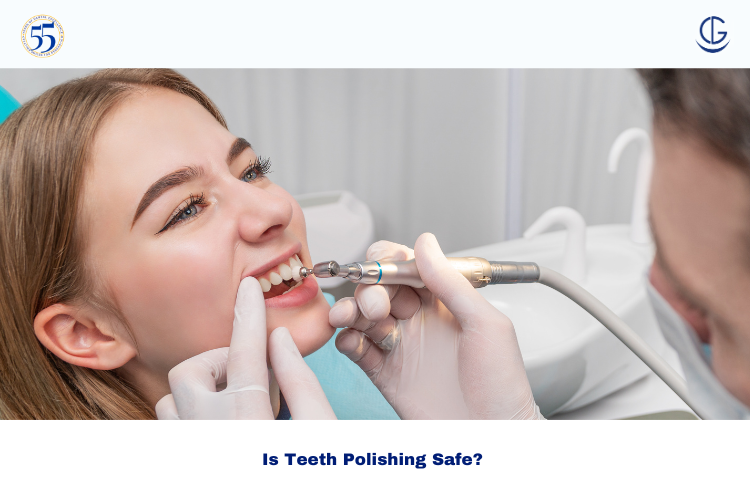
Teeth polishing is one of the most common dental cleaning procedures performed after scaling. It helps smooth the tooth surface, remove minor stains, and leave the teeth feeling cleaner and shinier. But after treatment, some patients notice temporary sensitivity, gum irritation, or mild discomfort and start worrying about possible teeth polishing side effects.
At Dr. Gowds Dental Hospitals, dentists regularly reassure patients that most teeth polishing side effects are mild, temporary, and part of the normal healing process after professional cleaning. However, there are certain symptoms that should not be ignored because they may indicate underlying dental problems or excessive inflammation.
Teeth polishing is usually performed after dental scaling.
The procedure uses:
The goal is to:
Polishing is not meant to whiten teeth dramatically, but it can make them appear cleaner and brighter by removing external stains.
Most teeth polishing side effects are temporary and improve within a few hours or days.
Sensitivity is the most common side effect after polishing and scaling.
You may notice:
This usually happens because plaque and tartar covering the tooth surface have been removed, temporarily exposing sensitive areas.
At Dr. Gowds Dental Hospitals, dentists often explain that this sensitivity is usually short-lived and improves as the teeth adjust.
After cleaning, gums may feel:
This is especially common if there was significant plaque or tartar buildup before treatment.
Inflamed gums often react temporarily after deep cleaning procedures.
Some patients notice slight bleeding while brushing or flossing after polishing.
This usually occurs when:
Minor bleeding should gradually improve within a few days.
After scaling and polishing, some people suddenly feel spaces between their teeth.
This is not because the cleaning damaged the teeth.
Instead, tartar deposits that were filling those spaces have been removed, revealing the natural tooth shape again.
Some patients expect an instant, perfectly smooth feeling.
However, temporary roughness may occur due to:
This usually settles quickly after proper brushing and hydration.
Most people experience little to no pain during polishing.
However, discomfort may occur if:
Patients searching “is scaling painful” are often anxious about professional cleaning procedures. Modern ultrasonic scaling and polishing are generally comfortable, especially when performed gently and with proper technique.
For sensitive patients, dentists may use:
While mild symptoms are expected, certain problems require dental evaluation.
Sensitivity lasting more than 1–2 weeks may indicate:
Severe swelling after polishing is not typical and may suggest:
Bleeding that continues beyond several days could indicate:
Teeth may temporarily feel different after tartar removal, but actual looseness should always be evaluated professionally.
Heavy tartar can sometimes hide underlying bone loss caused by gum disease.
Most mild symptoms improve quickly.
Patients with healthier gums usually recover faster.
Desensitizing toothpaste may help calm nerve irritation.
Extremely hot or cold drinks may worsen temporary sensitivity.
Avoid aggressive brushing while gums heal.
Use:
Dry mouth may increase sensitivity and discomfort.
Professional polishing performed correctly does not damage healthy enamel.
However, excessive or unnecessary polishing too frequently may gradually contribute to enamel wear over many years.
Modern dentistry focuses on:
At Dr. Gowds Dental Hospitals, dentists customize cleaning procedures based on gum health, plaque levels, and enamel condition rather than performing aggressive polishing routinely.
Most teeth polishing side effects are mild and temporary. Sensitivity, slight gum irritation, or minor bleeding are common after professional cleaning and usually improve within a few days. In fact, these symptoms often occur because plaque and tartar have been removed from areas that were previously inflamed or covered.
At Dr. Gowds Dental Hospitals, dentists use modern scaling and polishing techniques designed to improve oral health comfortably while minimizing post-treatment sensitivity. If symptoms persist or worsen after cleaning, a professional dental evaluation can help identify any underlying issues early.
Visit us at-
Dr gowds dental hospital Nanakramguda
Dr gowds dental hospital Gachibowli
Dr gowds dental hospital madhapur
Common teeth polishing side effects include temporary tooth sensitivity, mild gum soreness, slight bleeding, and temporary discomfort after scaling and polishing.
Most people experience little or no pain during scaling and polishing. Patients with sensitive teeth or inflamed gums may feel mild discomfort temporarily.
Sensitivity usually improves within a few days. In some cases, mild sensitivity may last up to 1–2 weeks depending on gum health and enamel condition.
Professional polishing performed properly does not damage enamel. Dentists use controlled techniques designed to safely remove stains and plaque while protecting teeth.
You should see a dentist if you develop severe pain, persistent swelling, fever, pus discharge, prolonged bleeding, or sensitivity that does not improve.
 Gachibowli Branch