

Schedule Appointment


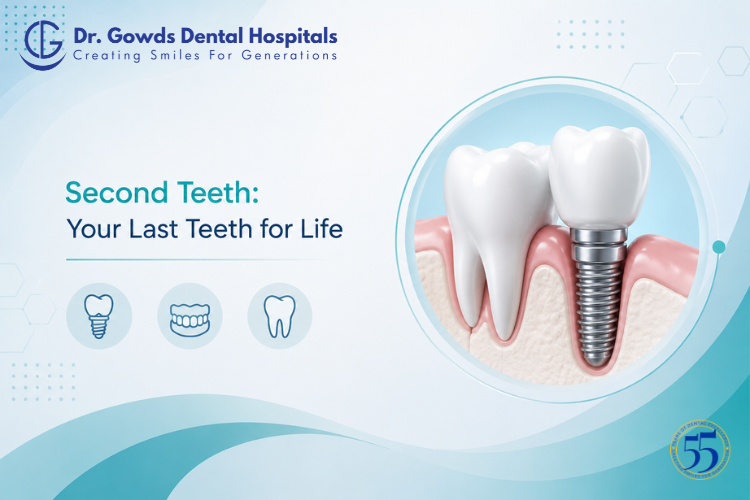
Second teeth, also known as permanent or adult teeth, are designed to last a lifetime. Unlike milk teeth, they do not naturally grow back if they are lost due to decay, gum disease, trauma, or other dental problems. Protecting your second teeth with proper oral hygiene, a healthy diet, regular dental visits, and early treatment of dental issues is essential for maintaining lifelong oral health.
At Dr. Gowds Dental Hospitals, our specialists help patients preserve their second teeth through preventive dentistry, restorative treatments, orthodontics, and advanced dental care tailored to every stage of life.
Second teeth are the permanent teeth that replace milk teeth during childhood.
They begin erupting around the age of six and continue developing until the late teenage years, with wisdom teeth usually appearing between the ages of 17 and 25.
Unlike milk teeth, second teeth are intended to last throughout adulthood. Once a permanent tooth is lost, your body cannot naturally replace it.
Most adults have:
This gives a total of 32 permanent teeth.
Many people underestimate the value of their second teeth until problems arise.
Permanent teeth do much more than help you chew food.
They are essential for:
Every permanent tooth plays a role in keeping your bite balanced and your mouth functioning properly.
One of the biggest differences between milk teeth and second teeth is that permanent teeth do not regenerate.
Milk teeth naturally fall out and are replaced.
However, once your second teeth erupt, they are the final natural set of teeth you will ever have.
If a permanent tooth is lost, replacement usually requires treatments such as:
This is why protecting your permanent teeth is so important.
Permanent teeth usually begin appearing around six years of age.
The general eruption timeline is:
| Tooth | Average Age |
| First permanent molars | 6–7 years |
| Central incisors | 6–8 years |
| Lateral incisors | 7–9 years |
| Canines | 9–12 years |
| Premolars | 10–12 years |
| Second molars | 11–13 years |
| Wisdom teeth | 17–25 years |
The exact timing varies from person to person.
Although second teeth are stronger than milk teeth, they are not indestructible.
Several conditions can permanently damage them.
Cavities remain one of the leading causes of tooth damage worldwide.
Poor brushing habits, sugary foods, and plaque buildup gradually weaken enamel.
Without treatment, decay may eventually require:
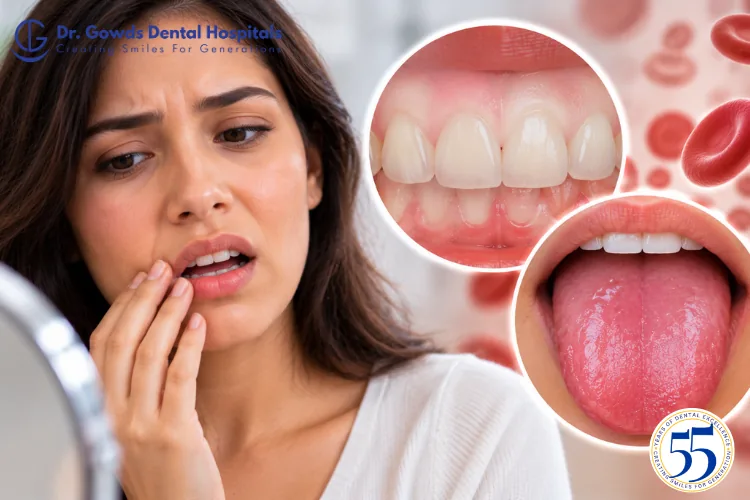
Healthy gums are essential for healthy second teeth.
Untreated gum disease can destroy the bone supporting the teeth, eventually causing tooth mobility and tooth loss.
Early gum disease is reversible, but advanced periodontitis requires specialized treatment.
Sports injuries, falls, accidents, and facial trauma can crack, loosen, or knock out permanent teeth.
Unlike milk teeth, lost second teeth do not grow back naturally.
Immediate dental treatment offers the best chance of saving an injured tooth.
Grinding or clenching your teeth places excessive pressure on enamel.
Over time, this can cause:
Custom night guards can help protect second teeth from damage.
Frequent consumption of acidic beverages such as soft drinks, sports drinks, and citrus juices gradually dissolves enamel.
Unlike bone, enamel cannot regenerate once it is lost.
Many people assume losing one permanent tooth is not a major problem.
In reality, even a single missing tooth can affect your entire mouth.
Possible consequences include:
Nearby teeth begin moving into the empty space.
This can lead to:
The jawbone requires stimulation from tooth roots.
Without this stimulation, the bone gradually shrinks.
Bone loss may complicate future implant treatment.
Missing teeth reduce chewing efficiency and may limit food choices.
Certain missing teeth can affect pronunciation.
Multiple missing teeth can alter facial appearance by reducing support for the lips and cheeks.
Although second teeth cannot regrow naturally, modern dentistry offers highly effective replacement options.
Dental implants are considered the gold standard for replacing missing permanent teeth.
Benefits include:
Bridges replace one or more missing teeth by anchoring to neighboring teeth.
Partial or full dentures may be recommended when multiple teeth are missing.
Daily habits make a significant difference.
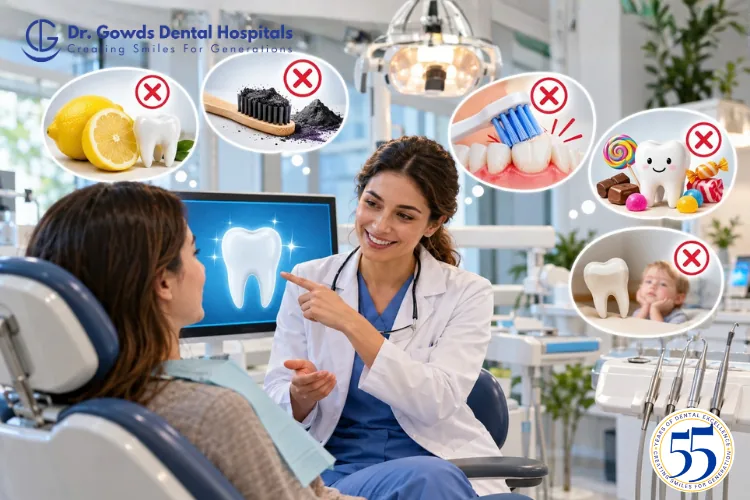
Maintain healthy second teeth by:
These habits reduce the risk of decay, gum disease, and tooth loss.
Your second teeth are your final natural set of teeth, making them one of your most valuable lifelong assets. Unlike milk teeth, they do not grow back once lost. Every cavity, gum infection, injury, or neglected dental problem can have lasting consequences.
Fortunately, protecting your second teeth is largely within your control. Brushing and flossing daily, eating a balanced diet, attending regular dental check-ups, and seeking prompt treatment for dental problems can help preserve your smile for decades.
If you have concerns about your permanent teeth or want to keep your smile healthy for life, the experienced team at Dr. Gowds Dental Hospitals can provide personalized preventive and restorative care to help you maintain strong, healthy second teeth.
Visit us at-
Dr gowds dental hospital Nanakramguda
Dr gowds dental hospital Gachibowli
Dr gowds dental hospital madhapur
Second teeth are permanent teeth that replace milk teeth during childhood. They are designed to last throughout adulthood and do not naturally grow back if lost.
Most second teeth begin erupting around the age of six years, while wisdom teeth usually appear between 17 and 25 years.
No. Once second teeth are lost due to decay, injury, or gum disease, they cannot regrow naturally. Missing teeth can be replaced with dental implants, bridges, or dentures.
Unlike milk teeth, second teeth are your final natural teeth. They support chewing, speech, jaw health, facial appearance, and overall oral function throughout life.
Brush twice daily, floss every day, limit sugary foods, visit your dentist regularly, avoid tobacco, and seek early treatment for dental problems to keep your second teeth healthy for life.
 Gachibowli Branch