

Schedule Appointment


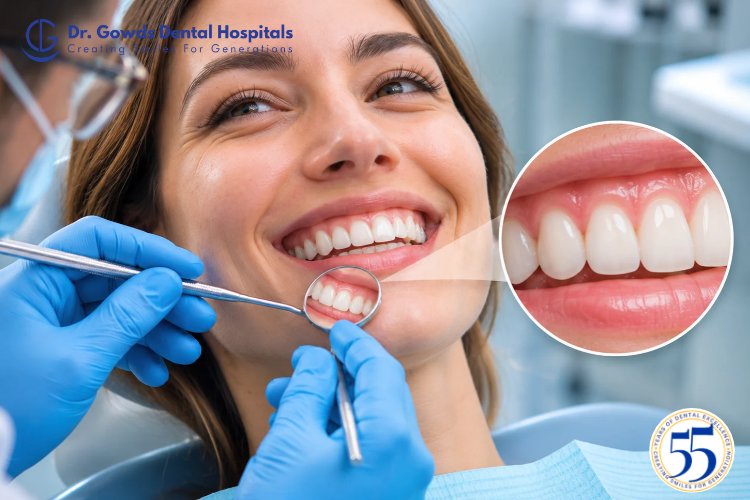
Brushing your teeth is probably the first thing that comes to mind when you think about oral hygiene. But your teeth are only one part of your mouth. The gums around them also need regular attention, which is why a good gum care routine should be part of your everyday dental hygiene.
Gum care does not have to be complicated. Small habits such as brushing along the gumline, cleaning between your teeth and paying attention to changes in your gums can make your daily oral-care routine more complete.
In this guide, Dr Gowds Dental Hospitals explains why gum care deserves the same attention as brushing and how you can build simple habits into your daily routine.
Want to make your oral-care routine more complete?
Your gums surround and support the teeth, making them an important part of your mouth. However, it is easy to overlook them because most people focus on cleaning the visible surfaces of their teeth.
A toothbrush helps clean the teeth, but effective oral hygiene involves more than brushing alone. Areas around the gumline and between the teeth can also collect food particles and plaque.
This is why gum care should be considered alongside brushing rather than as a separate task.
A consistent routine can include:
The goal is simple: make cleaning the teeth and gums part of the same everyday habit.
Brushing is essential to everyday oral hygiene, but the way you brush also matters.
One common mistake is concentrating only on the front and top surfaces of the teeth while giving little attention to the gumline. Another is brushing too aggressively because it feels as though harder brushing means better cleaning.
Instead, focus on a consistent and gentle technique.
The gumline is where the gums meet the teeth. When brushing, position your toothbrush so that you can gently clean this area without scrubbing harshly.
Move the brush methodically around your mouth rather than rushing through the process.
Back teeth, the inner surfaces of teeth and spaces between teeth can be easy to overlook.
A complete oral hygiene routine should include these areas rather than focusing only on the teeth that are easiest to see.
A toothbrush cannot easily reach every space between teeth. That is where cleaning between the teeth becomes an important part of daily gum care.
Depending on your individual needs, this may involve dental floss or another suitable interdental cleaning method.
Cleaning between teeth helps remove food particles and plaque from areas that a toothbrush may not reach effectively.
If you are unsure which method is suitable for you, a dental professional can show you how to use it correctly.
The important point is consistency. A good gum care routine should not stop at the outer surfaces of your teeth.
You do not need a complicated routine to give your gums regular attention. Start with a few simple habits and make them consistent.
Begin your day with your normal brushing routine. Pay attention to the gumline and avoid rushing through the process.
After meals, you can rinse your mouth with water if needed and be mindful of food particles that may remain between your teeth.
Night-time oral care is an important opportunity to clean your teeth and the areas around them before going to bed.
A simple evening routine can include:
The exact routine may vary from person to person, so professional guidance can be useful when you have specific concerns.
Even people who brush regularly can overlook certain parts of their oral hygiene.
More pressure does not necessarily mean better cleaning. Aggressive brushing can make the routine uncomfortable and may be unnecessarily harsh on the teeth and gums.
If you only brush, you may be overlooking the spaces between your teeth. Add an appropriate interdental cleaning method to make your routine more complete.
Changes such as persistent bleeding, swelling, tenderness or discomfort are worth discussing with a dental professional rather than simply ignoring them.
Your oral-care needs can change over time. Dental appliances, restorations, crowded teeth and other factors may affect how you should clean your mouth.
If your current routine feels difficult or ineffective, ask a dental professional for guidance.
Your mouth can give you useful signals when something has changed.
Pay attention if you notice:
These signs do not automatically point to one specific problem. However, persistent changes are a good reason to arrange a dental evaluation instead of relying only on changes to your home routine.
Daily care at home is important, but some areas of the mouth can be difficult to clean completely.
Regular dental visits allow your teeth and gums to be examined and give you an opportunity to discuss concerns about your oral hygiene routine.
A dental professional can also provide practical advice about brushing technique, interdental cleaning and other habits based on your individual needs.
The easiest routine to maintain is one that fits naturally into your day.
Try these simple habits:
Rather than trying to change everything at once, introduce one habit at a time and make it consistent.
Brushing your teeth and caring for your gums should not be treated as two completely separate tasks.
Think of your oral hygiene routine as a complete process. Brush the teeth, clean around the gumline, clean between the teeth and pay attention to changes in your mouth.
That approach is more practical than focusing exclusively on whether your teeth look clean.
Good gum care is ultimately about consistency. The few minutes you spend on your daily routine can help you become more aware of your oral hygiene and encourage better dental-care habits.
You do not need to wait until a dental concern becomes difficult to manage before asking for professional advice.
Consider speaking with a dentist if you have persistent gum bleeding, swelling, tenderness, discomfort or changes that do not settle with your normal oral-care routine.
You can also ask for guidance if you are unsure about brushing technique, flossing, interdental cleaning or caring for your gums around dental restorations or orthodontic appliances.
Professional advice can help you understand what is appropriate for your particular dental needs.
Brushing your teeth is an important part of oral hygiene, but it should not be the only habit you think about.
A complete gum care routine includes attention to the gumline, cleaning between the teeth, regular brushing and being aware of changes in your mouth.
The best routine is one that you can follow consistently every day.
Looking for dental care in Hyderabad? Dr Gowds Dental Hospitals provides dental care across Nanakramguda, Gachibowli, Madhapur, koti.
Yes, gum care is an important part of a complete oral hygiene routine. Brushing cleans the teeth, while proper gumline and between-teeth cleaning helps you pay attention to other areas of the mouth.
Brush your teeth regularly, gently clean along the gumline, clean between your teeth and pay attention to changes such as persistent bleeding, swelling or discomfort. A dentist can recommend a routine suited to your needs.
Cleaning between your teeth should be part of your regular oral hygiene routine. The most suitable method can vary, so ask a dental professional if you are unsure whether floss or another interdental cleaning method is right for you.
Bleeding while brushing can have different possible causes. If bleeding happens repeatedly or does not settle, it is worth discussing it with a dentist rather than ignoring it.
A gentle, consistent brushing technique is generally preferable to aggressive scrubbing. If brushing feels uncomfortable or you are unsure about your technique, ask a dental professional to demonstrate an appropriate method.
A basic routine includes regular brushing, cleaning along the gumline, cleaning between the teeth and paying attention to changes in your gums. Your dentist may suggest additional steps depending on your individual dental needs.
Consider scheduling a dental consultation if you notice persistent bleeding, swelling, tenderness, discomfort or other changes involving your gums. Professional evaluation can help determine what type of care is appropriate.
Yes. A dentist can review your current oral hygiene habits and provide guidance on brushing, cleaning between teeth and caring for areas that may be difficult for you to reach.
 Gachibowli Branch