

Schedule Appointment


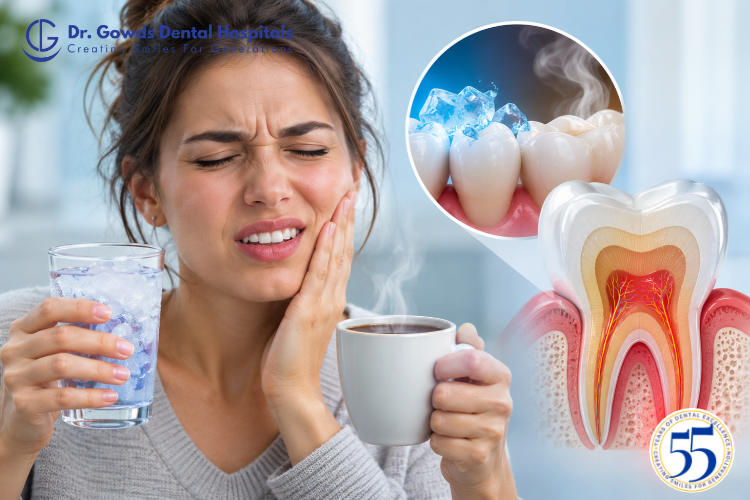
A cold glass of water, a spoonful of ice cream, or a hot cup of tea should not have to make you hesitate before taking a sip or bite. Yet hot and cold sensitivity in teeth is a common concern that can make everyday eating and drinking uncomfortable.
Teeth sensitivity to hot and cold can happen for different reasons. Sometimes it may be related to changes in the tooth surface or gumline. In other cases, a particular tooth may need closer attention.
Understanding what triggers your sensitivity can help you decide when it is worth discussing the problem with a dentist..
Teeth have different layers, with the outer surface providing protection to the more sensitive areas inside. When that protection changes or areas closer to the gumline become exposed, temperature changes may become easier to notice.
The exact reason for sensitivity is not always the same for every person. That is why paying attention to when and where the sensation occurs can be useful.
Frequent exposure to acidic foods and drinks, aggressive brushing, or other habits may contribute to changes in the tooth surface. When the protective surface is reduced, hot and cold temperatures may feel more noticeable.
Changes in the gumline can expose areas closer to the root of a tooth. These areas may respond differently to hot, cold, sweet, or acidic foods and drinks.
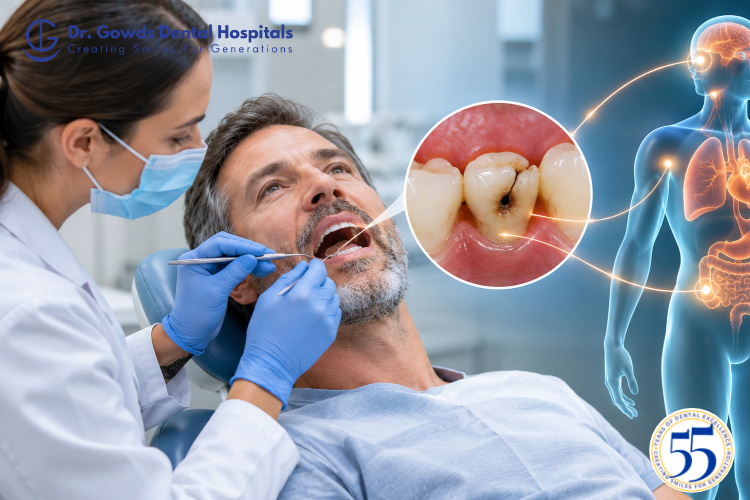
A cavity or other change within a tooth may be associated with temperature sensitivity. However, sensitivity by itself cannot tell you exactly what is happening, so persistent symptoms are worth discussing with a dentist.
A cracked, chipped, or otherwise damaged tooth may react differently to temperature or pressure. If sensitivity seems to come from one specific tooth, particularly after an injury or noticeable change, a dental examination can help assess the area.
Some people notice sensitivity after certain dental procedures. The experience can vary depending on the procedure and the individual. If the sensitivity continues, becomes stronger, or seems unusual, it is worth mentioning to your dentist.
Repeated pressure on the teeth can contribute to changes in how the teeth feel. People who regularly clench or grind may also notice changes around the tooth surface or increased sensitivity.
Cold sensitivity may appear when you drink chilled water, eat ice cream, have a cold dessert, or are exposed to cold air.
The sensation may be brief, or you may notice it more strongly in one particular tooth.
When you experience cold sensitivity, take note of:
These details can help you explain the problem more clearly during a dental consultation.
Cold is not the only temperature that can trigger sensitive teeth. Some people notice discomfort while drinking hot tea or coffee, eating soup, or having other warm foods.
Hot sensitivity can have different possible causes, and the temperature trigger alone does not identify the reason.
If hot foods repeatedly cause sensitivity, especially when the sensation seems limited to one tooth, consider getting the area checked instead of simply avoiding hot foods and drinks.
Brushing regularly is an important part of everyday dental care, but brushing harder does not necessarily mean cleaning better.
Very forceful brushing may contribute to changes around the tooth surface and gumline. If you notice sensitivity while brushing or rinsing, consider discussing your brushing technique with your dentist.
A gentle approach and a consistent oral hygiene routine can help you avoid unnecessarily irritating sensitive areas.
The right approach depends on what is contributing to the sensitivity. Until the cause is clearer, you can pay attention to your triggers and avoid repeatedly exposing the sensitive area to extreme temperatures.
Practical steps include:
These steps may help you manage the trigger, but they do not identify the underlying reason for recurring sensitivity.
Not every episode of sensitivity means the same thing. However, recurring or changing symptoms deserve attention.
Consider scheduling a dental consultation if:
A dentist can examine the affected area and discuss the possible factors contributing to the sensitivity.
At Dr Gowds Dental Hospitals, patients in Hyderabad can discuss tooth sensitivity and other dental concerns at the Gachibowli, Puppalguda, Madhapur, and Koti branches.
Hot and cold sensitivity may feel similar, but the triggers are different.
Cold sensitivity may be noticed with chilled drinks, ice cream, cold desserts, or cold air. Hot sensitivity may occur with tea, coffee, soup, or other warm foods and drinks.
The important point is not to assume that the temperature itself is the problem. The pattern of sensitivity and the condition of the affected tooth are more useful when trying to understand what may be happening.
Some episodes of sensitivity may be short-lived, particularly when they follow a recent change or dental procedure. However, there is no single timeline that applies to everyone.
If sensitivity continues, becomes more frequent, or starts affecting one particular tooth, getting the area assessed can be more useful than simply avoiding trigger foods.
A dental consultation can help determine whether the concern appears to be associated with the tooth surface, gumline, a specific tooth, recent dental work, or another factor.
Many people respond to sensitivity by simply stopping cold drinks or avoiding hot foods. While this may remove the immediate trigger, it does not explain why the sensitivity started.
Persistent sensitivity is a reason to pay attention to the pattern. If the problem keeps returning, a dental consultation can help you understand the possible reason and discuss appropriate care for your individual situation.
If tooth sensitivity is affecting your meals, drinks, or daily routine, contact Dr Gowds Dental Hospitals in Hyderabad to discuss the concern with a dental professional.
A dental evaluation generally begins with your description of the problem. You may be asked when the sensitivity started, which foods or drinks trigger it, whether one tooth is affected, and how long the sensation lasts.
The dentist can then examine the teeth and surrounding areas for changes that may help explain the sensitivity. Depending on the findings, further evaluation may be considered.
The purpose is to understand the pattern rather than assuming that every case of sensitive teeth has the same cause.
Hot and cold sensitivity in teeth can be frustrating, particularly when it starts affecting everyday eating and drinking.
Teeth sensitivity to hot and cold can have several possible causes, and the trigger alone is not enough to determine exactly why it is happening. Paying attention to when the sensitivity occurs, how long it lasts, and whether one tooth is consistently affected can provide useful information.
If sensitivity keeps returning, becomes more noticeable, or starts interfering with your routine, consider arranging a dental consultation.
For patients seeking dental care in Hyderabad, Dr Gowds Dental Hospitals has branches in Nanakramguda, Gachibowli, Madhapur, koti.
Experiencing tooth sensitivity to hot and cold in Hyderabad? Contact Dr Gowds Dental Hospitals to discuss your concern and explore appropriate dental care based on your individual needs.
Cold drinks can trigger sensitivity in some teeth. The reason may vary depending on the tooth surface, gumline, or condition of a particular tooth. If the sensation keeps returning, consider having the area examined by a dentist.
Hot drinks such as tea or coffee may trigger sensitivity in some people. Hot sensitivity can have different possible causes, so recurring sensitivity is worth discussing during a dental consultation.
Sensitivity can occur occasionally, but recurring or changing sensitivity should not simply be ignored. If it repeatedly affects eating, drinking, brushing, or one particular tooth, consider speaking with a dentist.
Sensitivity limited to one tooth can have different possible explanations. The pattern, duration, and other symptoms can help a dentist assess the area more closely.
Very forceful brushing may contribute to changes around the tooth surface and gumline. Using a gentle brushing technique is preferable to applying excessive pressure.
Pay attention to which foods and drinks trigger the sensation and how long it lasts. If the sensitivity keeps returning, becomes stronger, or affects one particular tooth, consider scheduling a dental consultation.
Consider seeing a dentist when sensitivity is persistent, repeatedly affects one tooth, interferes with eating or drinking, follows an injury, or occurs along with discomfort while biting or chewing.

 Gachibowli Branch