

Schedule Appointment


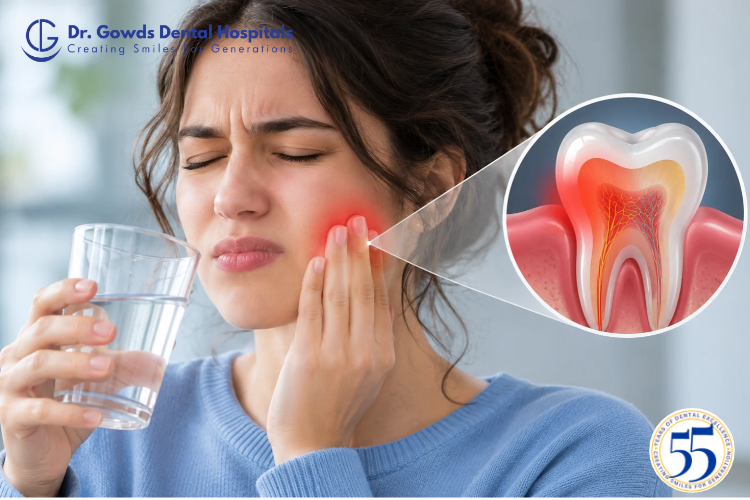
Toothache after drinking water can be confusing, especially when plain water seems harmless. If your tooth hurts when you drink cold, room-temperature, or warm water, the pattern is worth paying attention to.
This discomfort can have different possible explanations. It may be connected to sensitivity, a change around a tooth, recent dental treatment, or another dental concern that needs a closer look. In this guide, you’ll learn what to notice, what you can do in the meantime, and when it is worth booking a dental consultation.
At Dr Gowds Dental Hospitals, patients in Hyderabad can seek dental care at the Nanakramguda, Gachibowli, Madhapur, koti branches.
The first thing to notice is what type of water triggers the pain and how long the discomfort lasts. A quick sharp sensation from cold water is different from pain that continues after drinking or discomfort that happens with room-temperature water.
Possible situations worth discussing with a dentist include:
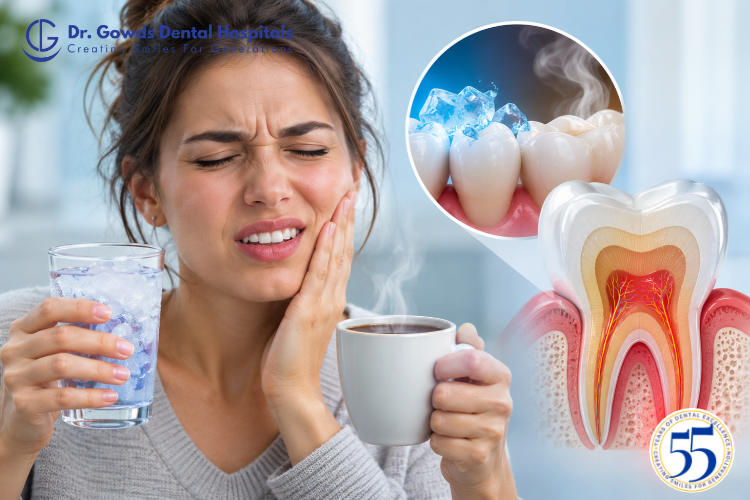
Cold water can trigger a sudden, sharp sensation in a tooth that feels sensitive. The feeling may be brief, or it may take longer to settle.
If the same tooth reacts repeatedly to cold water, note when it happens and whether the discomfort is becoming more frequent.
Sometimes the discomfort appears to come from one particular tooth rather than the whole mouth. You may notice that only one area reacts when water touches it.
This is useful information to share during a dental consultation because it gives the dentist a specific area to examine.
If you recently had a filling, crown, cleaning, whitening procedure, or another dental treatment, you may notice that a tooth feels different when exposed to water.
Keep track of when the sensation started and tell your dentist if it continues or changes.
Some people notice discomfort when water reaches areas close to the gumline. A chipped, cracked-looking, worn, or otherwise changed tooth may also deserve attention, particularly if water repeatedly triggers discomfort in that area.
Avoid repeatedly testing the tooth with very cold water. Provoking the pain again and again will not tell you what is causing it.
The temperature of the drink can make a noticeable difference in how a sensitive tooth feels.
If cold water causes a sharp sensation but room-temperature water does not, temperature may be an important part of the pattern. Pay attention to whether the same tooth reacts every time.
You can note:
These details can make a dental consultation more useful.
Pain from room-temperature water can be frustrating because the water does not feel particularly cold or hot.
When this happens, do not assume that the water itself is the problem. The important detail is that contact with water seems to trigger discomfort.
If room-temperature water repeatedly causes pain, especially in one specific area, consider arranging a dental examination rather than continuing to test the tooth at home.
Start by observing the pattern instead of trying to identify the cause yourself.
If very cold water causes discomfort, choose water at a temperature that feels comfortable for now. Avoid repeatedly testing the painful tooth.
Continue your normal oral hygiene routine, but avoid aggressive brushing around an area that feels uncomfortable.
Ask yourself whether the sensation comes from one tooth, several teeth, or a general area of the mouth.
Record the water temperature, tooth or area involved, type of pain, and how long it lasts. This information can be useful during a dental consultation.
Repeated tooth pain deserves attention, particularly when the trigger is easy to identify but the reason is not.
Not sure why one tooth hurts when you drink water? Dr Gowds Dental Hospitals can help you discuss the symptoms and decide what dental evaluation may be appropriate.
A dental appointment is worth considering when the problem keeps returning or starts affecting normal eating and drinking.
Consider seeking professional advice when:
A dentist can listen to your symptoms, examine the area, and discuss the next step with you.
Pay attention to changes in your teeth rather than ignoring repeated discomfort.
Helpful everyday habits include:
If you know that a particular temperature triggers discomfort, choosing a more comfortable temperature can make drinking water easier while you work out the reason.
People may use these words interchangeably, but the sensations can feel different.
A brief reaction to cold water may feel like a quick sensitivity, while discomfort that continues, repeatedly affects the same tooth, or occurs without an obvious temperature trigger may feel more like a toothache.
Instead of trying to label the sensation yourself, describe exactly what you feel. Saying “a sharp pain in one tooth when I drink cold water” is more useful during a dental consultation than simply saying “my teeth hurt.”
Toothache after drinking water is not something you have to keep guessing about. Notice the pattern: water temperature, location of the discomfort, how long it lasts, and whether it keeps happening.
A brief reaction to cold water can feel very different from recurring pain in one particular tooth. If the discomfort continues, changes, or interferes with normal drinking, a dental consultation can help you understand the situation and decide what to do next.
Experiencing toothache after drinking water in Hyderabad? Visit Dr Gowds Dental Hospitals to discuss your dental concerns with a professional team.
It can be one possible reason for the discomfort, particularly when a specific temperature triggers a brief sensation. If the reaction keeps returning, it is worth discussing with a dentist rather than trying to identify the cause yourself.
Cold water can trigger discomfort in a tooth that feels sensitive. Note whether the pain affects one tooth or several and how long it lasts.
If room-temperature water causes repeated discomfort, pay attention to the exact tooth or area involved and whether the pain continues afterward. A dental consultation can help assess the problem.
When one tooth repeatedly reacts to water, make a note of its location and the type of discomfort. Sharing this information with a dentist can help focus the examination.
Choose a comfortable water temperature, avoid repeatedly testing the painful tooth, continue gentle oral hygiene, and arrange a dental consultation if the discomfort keeps happening.
You do not generally need to stop drinking water simply because a tooth feels uncomfortable. Choosing a comfortable temperature can make drinking easier while you arrange a dental check if the problem continues.
Consider a dental appointment when the pain repeatedly affects the same tooth, lasts after drinking, becomes more frequent, follows dental treatment, or interferes with normal drinking and eating.
 Gachibowli Branch