

Schedule Appointment


Have you ever noticed a pink tinge in the sink after brushing or felt self-conscious about your breath during a conversation? Experiencing bleeding gums and bad breath at the same time is a common dental concern, but it is not something you should ignore. In most cases, these symptoms are connected and may indicate that your gums need professional attention.
At Dr. Gowds Dental Hospitals, we frequently see patients who assume occasional gum bleeding or persistent bad breath is normal. In reality, these are often early warning signs of gum disease and should be addressed before they progress into more serious oral health problems.
The most common cause of both bleeding gums and bad breath is plaque buildup.
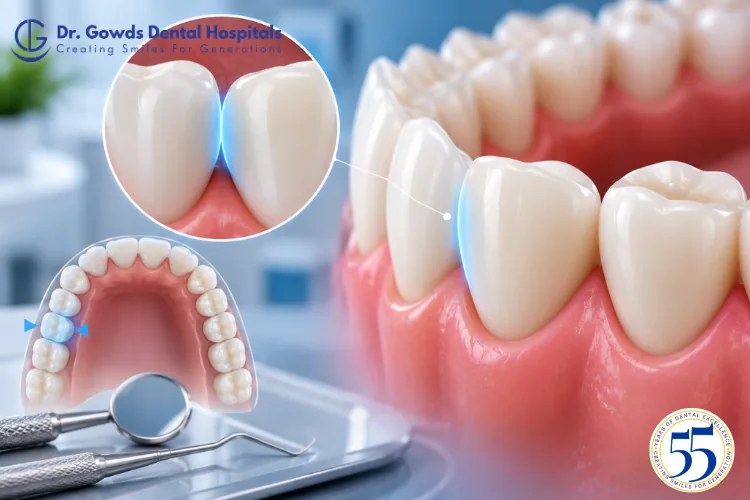
Plaque is a sticky layer of bacteria that continuously forms on your teeth and along the gumline. When it is not removed through proper brushing and flossing, the bacteria irritate the gums, leading to inflammation and bleeding.
At the same time, these bacteria feed on food particles left in the mouth and release sulfur compounds that cause unpleasant breath odor.
Gingivitis is the mildest form of gum disease and is usually reversible with timely treatment.
Symptoms include:
Hormonal changes during pregnancy can also increase the risk of gingivitis, making regular dental care particularly important.
If gingivitis is left untreated, it can develop into periodontitis, a more serious condition that affects the bone supporting the teeth.
Signs of periodontitis include:
At Dr. Gowds Dental Hospital, advanced periodontal treatments are available to help stop disease progression and preserve natural teeth whenever possible.
Yes. Nutritional deficiencies can weaken gum tissues and make them more prone to bleeding.
Vitamin C is essential for collagen production and healthy gum tissue. Low levels may cause:
Vitamin K plays an important role in blood clotting. A deficiency may increase gum bleeding even from minor irritation.
A balanced diet rich in fruits, vegetables, and leafy greens supports both gum health and overall wellbeing.
Saliva plays a crucial role in maintaining oral health by:
When saliva production decreases, bacteria multiply more rapidly, contributing to:
Common causes of dry mouth include dehydration, medications, smoking, and certain medical conditions.
Many people brush too aggressively, which can irritate the gums.
Dentists recommend:
Electric toothbrushes can be particularly effective because they remove plaque efficiently while reducing excessive pressure on the gums.
A toothbrush cannot reach every surface.
Options include:
Dental Floss
Ideal for tight spaces between teeth.
Interdental Brushes
Useful for larger gaps, braces, bridges, and implants.
Regular cleaning between teeth significantly reduces plaque buildup and gum inflammation.
Look for toothpaste formulated for:
Products containing stannous fluoride may help reduce bacteria and improve gum health.
A quality mouthwash can:
Alcohol-free formulas are generally preferred because they are less likely to cause dry mouth.
No.
While brushing and flossing remove soft plaque, hardened tartar cannot be safely removed at home.
Attempting to scrape tartar yourself may damage:
Professional dental cleaning is the safest and most effective solution.
At Dr. Gowds Dental Hospital, treatment begins with a thorough examination to identify the underlying cause of gum bleeding and bad breath.
Depending on the diagnosis, treatment may include:
Our experienced dental team focuses on treating the root cause rather than simply masking symptoms.
Bleeding gums and bad breath are often signs that your gums require attention. In most cases, plaque bacteria are the primary cause, leading to inflammation, infection, and unpleasant breath odor.
The good news is that early-stage gum problems are highly treatable. Consistent oral hygiene, the right dental products, a balanced diet, and regular professional cleanings can help restore healthy gums and fresh breath.
If you are experiencing ongoing gum bleeding or persistent bad breath, the dental experts at Dr. Gowds Dental Hospital can help identify the cause and recommend the most effective treatment plan for a healthier, more confident smile.
Visit us at-
Dr gowds dental hospital Nanakramguda
Dr gowds dental hospital Gachibowli
Dr gowds dental hospital madhapur
Bleeding gums are often caused by plaque buildup along the gumline, leading to gingivitis (early gum disease). Other causes include aggressive brushing, vitamin deficiencies, hormonal changes, and certain medical conditions. If bleeding persists, a dental examination is recommended.
Yes. The bacteria responsible for gum inflammation produce sulfur compounds that create unpleasant odors. Bleeding gums and bad breath commonly occur together, especially in cases of gingivitis and periodontitis.
Improving oral hygiene, brushing gently with a soft-bristled toothbrush, flossing daily, staying hydrated, and rinsing with warm salt water may help reduce gum inflammation. However, professional cleaning may be necessary if tartar buildup is present.
You should visit a dentist if your gums bleed regularly, remain swollen, cause discomfort, or if you have persistent bad breath, loose teeth, or gum recession. Early treatment can prevent more serious gum disease.
Treatment options for bleeding gums and bad breath may include professional scaling, deep cleaning (scaling and root planing), gum disease treatment, and personalized oral hygiene guidance. The treatment plan depends on the severity of the condition and the underlying cause.

 Gachibowli Branch