

Schedule Appointment


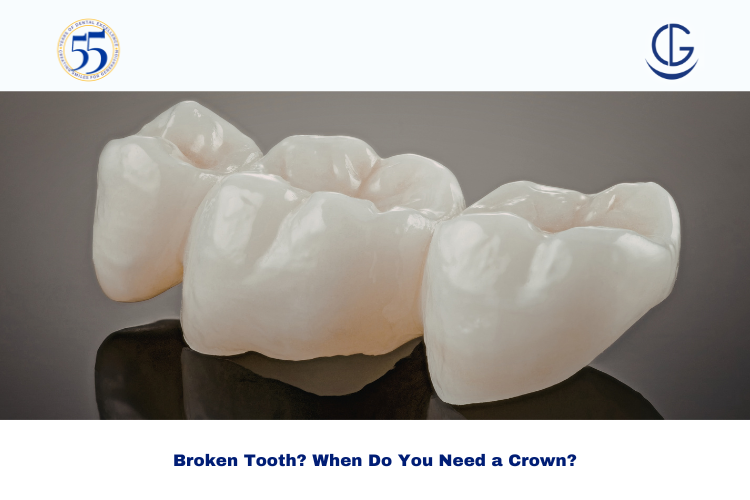
If you’ve ever had a broken tooth, you may have wondered whether you need a dental crown. A crown for a broken tooth is often recommended when the damage is too significant for a filling to be effective. At Dr. Gowds Dental Hospitals, one of the best dental hospitals in Hyderabad, we specialize in providing crowns to restore damaged teeth and ensure both aesthetic appeal and long-term functionality. In this blog, we’ll explore when a dental crown is required for a broken tooth and the procedure involved.
A dental crown is a cap-shaped restoration that fits over a tooth to restore its shape, size, strength, and appearance. Crowns are designed to protect weakened or broken teeth from further damage, providing a durable solution that can last for years. They are made from various materials, including porcelain, metal, or a combination of both, depending on the tooth’s location and the patient’s needs.
A broken tooth may require a crown in the following situations:
If your tooth is severely cracked or broken, a crown is needed to restore its strength and prevent further fracture. The crown will hold the tooth together and protect it from additional stress caused by chewing.
When a tooth undergoes a root canal treatment, it becomes more brittle. A dental crown is often necessary afterward to prevent the tooth from cracking or breaking under pressure.
If the broken tooth is visible when you smile, a crown can restore its appearance. Porcelain crowns are a popular choice for front teeth because they blend seamlessly with natural teeth, giving you a beautiful, natural-looking smile.
If the damage from decay or fillings is extensive, a dental crown is recommended. Crowns are a more permanent solution compared to fillings for large cavities or damage.
Teeth that are weakened due to repeated fillings or fractures are more prone to further damage. A dental crown can reinforce the tooth and reduce the likelihood of additional breakage.
Getting a dental crown typically involves two appointments. Here’s a brief overview of the procedure:
Several materials are used for dental crowns, each with its own benefits:
Porcelain crowns are an excellent option for front teeth, as they mimic the look of natural teeth. They are durable and highly aesthetic but may be more prone to chipping compared to other materials.
Metal crowns, typically made from gold or alloys, are strong and durable. They are often used for molars and teeth at the back of the mouth where aesthetics are less of a concern.
These crowns combine the strength of metal with the appearance of porcelain, making them a great choice for back teeth that require both strength and aesthetics.
At Dr. Gowds Dental Hospitals, we offer expert dental care with a focus on your comfort and satisfaction. Our experienced team of dentists specializes in crown for broken tooth placement and restorative treatments. Here’s why we are one of the best dental hospitals in Hyderabad:
A crown for a broken tooth is a highly effective solution to restore both the functionality and aesthetics of your tooth. Whether you have a visible front tooth or a molar that needs reinforcement, a dental crown can provide the strength and protection your tooth needs.
At Dr. Gowds Dental Hospitals, we are dedicated to delivering top-notch care for all your dental needs. With four convenient branches across Hyderabad (Gachibowli, Madhapur, Koti, Nanakramguda.), we are always ready to help you get back to smiling confidently.
Book your consultation today to discuss the best dental crown options for your broken tooth. Visit the nearest Dr. Gowds branch or contact us for more information on how we can restore your smile.
Here are answers to some common questions regarding dental crowns for broken teeth:
Dental crowns typically last between 10 to 15 years with proper care. The material and your oral hygiene habits can affect the longevity.
The procedure is relatively painless because local anesthesia is used to numb the area. You may experience mild discomfort or sensitivity after the procedure, but it should subside within a few days.
After the procedure, it’s best to avoid hard or sticky foods until your crown is securely in place. Once your crown is fitted, you can resume eating normally.
Brushing twice a day, flossing, and regular dental check-ups will help keep your crown and the surrounding teeth healthy. Avoid chewing hard foods that can damage the crown.
If you have gum disease, it needs to be treated before getting a crown. Your dentist will work with you to ensure your gums are healthy before the crown placement.
 Gachibowli Branch