

Schedule Appointment

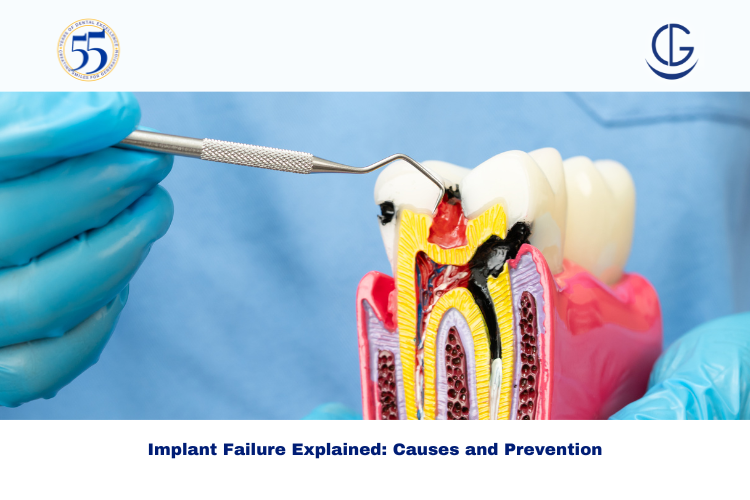
Dental Implant Failure is a concern that often worries patients considering or already undergoing implant treatment. While dental implants are one of the most successful and long-lasting tooth replacement options, failures can occur in certain situations. Understanding why dental implant failure happens, how to prevent it, and what solutions are available can help patients protect their oral health and investment.
At Dr Gowds Dental Hospitals, one of Hyderabad’s leading multi-branch dental hospitals with, implant procedures are planned using advanced diagnostics, experienced implantologists, and strict clinical protocols to minimize risks and improve long-term success.
Restore your confidence—schedule an implant consultation today.
Dental implant failure occurs when a dental implant does not properly integrate with the jawbone or develops complications after placement. This may happen early (within weeks or months) or later, even years after successful implantation.
Although dental implants have a success rate of over 95%, failures are usually linked to underlying clinical or lifestyle factors rather than the implant itself.
Occurs before the implant fully fuses with the jawbone. Common causes include:
Happens months or years later due to:
Dentists at Dr Gowds Dental Hospitals carefully assess patients to identify risks before implant placement.
If the implant does not bond properly with the jawbone, it may loosen or fail entirely.
A bacterial infection around the implant can cause inflammation, gum recession, and bone loss.
Smoking significantly reduces blood flow and delays healing, increasing implant failure risk.
Bruxism places excessive pressure on implants, leading to loosening or fracture.
Conditions such as diabetes, osteoporosis, or immune disorders can affect healing.
Inadequate cleaning around implants allows plaque buildup and infection.
Seek immediate dental attention if you notice:
Ignoring early signs can worsen damage and complicate future treatment.
Prevention starts even before the implant is placed.
Routine checkups help detect early bone or gum changes.
At Dr Gowds Dental Hospitals, patients receive structured follow-up schedules to ensure long-term implant success.
Even if an implant fails, effective solutions are available.
The failed implant is safely removed, and the area is allowed to heal.
Bone grafting rebuilds lost bone and prepares the site for re-implantation.
After healing, a new implant can be placed with improved stability.
In certain cases, bridges or dentures may be recommended.
Dentists at Dr Gowds Dental Hospitals evaluate each case individually to recommend the most predictable solution.
Dental implant failure is uncommon, occurring in less than 5% of cases when proper care is taken.
Yes. In most cases, failed implants can be replaced after healing and bone preparation.
Pain may occur if infection or inflammation is present, but early treatment can prevent discomfort.
Failure can occur early during healing or years later if oral hygiene and follow-ups are neglected.
Yes. Specialists at Dr Gowds Dental Hospitals regularly manage and correct failed implant cases.
 Gachibowli Branch