

Schedule Appointment


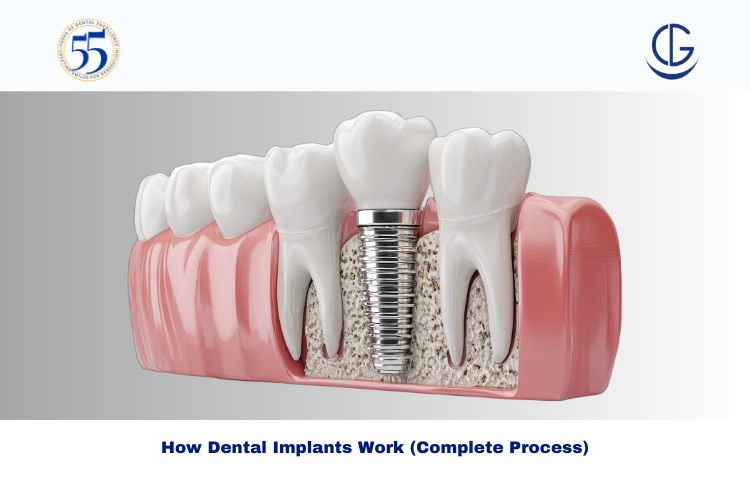
Dental Implant Procedure decisions can feel overwhelming—especially when you’re trying to understand surgery steps, healing time, and results. If you’re considering implants in Hyderabad, this guide will walk you through the entire process in a simple, honest, and patient-friendly way.
Within your first consultation, Dr Gowds Dental Hospitals will typically evaluate whether implants are right for you based on your bone support, gum condition, bite, and overall oral health—so you’re not guessing your way into a treatment.
If you’re ready to replace missing teeth with a long-lasting solution, book a consultation at Dr Gowds Dental Hospitals to get an implant plan tailored to your mouth—not a generic estimate.
Dental implants are designed to replace the tooth root—not just the visible part of the tooth. That’s why many patients choose implants when they want a stable, natural-feeling result.
A dental implant typically includes:
Unlike removable options, implants are fixed in the mouth and can support:
Before explaining the tooth implant procedure step by step, you should know whether implants are even suitable for you.
You may be a good candidate if:
You may need additional planning if you have:
A good clinic won’t rush this stage. The implant’s success depends heavily on planning.
Below is the complete dental implant treatment process, explained in practical stages, exactly as most patients experience it.
The first step in the dental implant surgery process is a detailed assessment. This includes:
At this stage, your dentist will confirm:
Patient tip: Bring your old dental records if you have them. It helps speed up planning.
This is where the “procedure” actually gets mapped out. Your dentist decides:
This planning phase is a major reason why outcomes vary between clinics. A well-planned implant feels natural and lasts longer.
If your tooth is still present but cannot be saved, extraction may be done before implant placement.
Depending on your case, implants may be placed:
This decision is made based on infection, bone stability, and gum health.
If the jawbone is not thick or strong enough, your dentist may recommend bone grafting.
This stage of the stages of dental implant procedure helps rebuild support for the implant. Bone grafting may be recommended when:
Healing after grafting may take a few months before implant placement. This is normal and can improve long-term success.
Now we come to the main part: the dental implant surgery steps.
This is typically done under local anesthesia (and sedation if needed). The steps usually include:
Most patients describe the experience as more comfortable than expected—especially compared to complicated tooth pain.
How dental implants are done depends on your bone, tooth position, and whether it’s a single tooth or multiple teeth case.
This is one of the most important stages of the dental implant procedure.
Osseointegration means:
Healing time varies, but commonly:
During healing, you may have:
Once healing is complete, the abutment is attached to the implant.
This is usually a smaller procedure compared to implant placement and may involve:
Now your permanent tooth is designed and placed.
This includes:
Once done, the tooth should:
This completes the dental implant treatment process.
Typical timelines:
The surgery appointment itself is often:
A good consultation will clarify what applies to you—based on scans and oral health.
After the implant placement, mild discomfort is expected—but it is usually manageable.
Common experiences include:
Care instructions often include:
Missing teeth shouldn’t affect your confidence, comfort, or daily eating. If you’re considering implants and want a clear, step-by-step plan, book a consultation at Dr Gowds Dental Hospitals today. Visit your nearest branch in Gachibowli, Madhapur, Koti, Nanakramguda to discuss your case with a specialist and understand the safest implant options for you.
Most patients feel minimal pain during the procedure because it’s done under local anesthesia. Mild soreness after surgery is common, but it’s usually manageable with prescribed care.
Dental implants are widely used and considered safe when planned properly. Success depends on bone quality, gum health, hygiene, and following post-treatment instructions.
Look for structured diagnosis (3D scans), clear treatment planning, transparent timelines, and proper follow-up protocols. These are the clinical basics that build trust beyond marketing claims.
In many cases, the total treatment takes around 3–6 months. If bone grafting is needed, the timeline can extend further depending on healing.
Follow-ups typically include healing checks, gum evaluation, and crown placement visits. Long-term, periodic dental reviews help maintain implant health and prevent gum issues.
 Gachibowli Branch