
Schedule Appointment

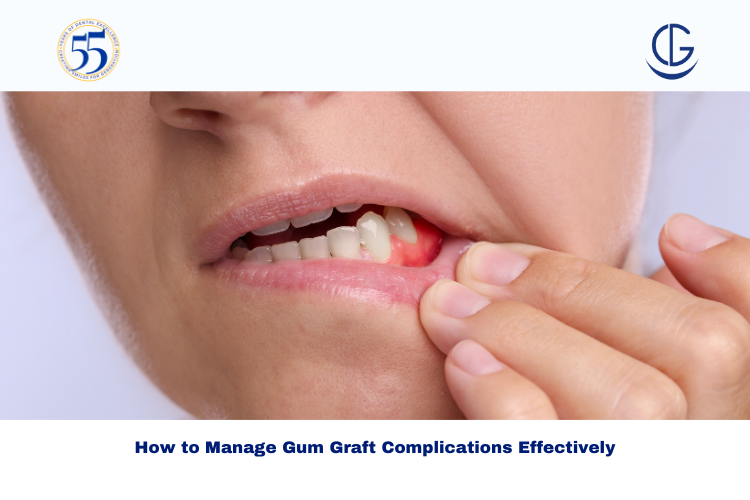
Gum graft complications are often overlooked, but addressing them early is essential for maintaining oral health. If you’ve undergone gum graft surgery or noticed changes in your gum tissue, it might be time for a re-evaluation. At Dr Gowds Dental Hospitals, we are committed to providing comprehensive dental care, including advanced gum surgeries, to ensure the health of your gums and teeth.
If you’re experiencing unusual symptoms after a gum graft or any gum surgery, it’s important to act swiftly. In this blog, we’ll explore the signs that indicate your gum tissue may need re-evaluation and when to seek professional care. Understanding these warning signs can help you prevent further complications and preserve your smile.
Book an appointment today to know the gum graft complications!
A gum graft is a surgical procedure used to treat gum recession, where the gum tissue surrounding the teeth pulls back, exposing the tooth’s root. This condition can lead to increased tooth sensitivity, decay, or even tooth loss. The procedure involves taking tissue from another part of your mouth (or using donor tissue) to replace the missing gum tissue.
While gum grafts can offer significant benefits, such as improved gum health and aesthetics, they do come with potential complications. It’s essential to monitor the healing process and be aware of any warning signs that might indicate a problem.
After undergoing gum surgery, some level of discomfort is normal. However, if the pain lasts longer than expected, this could be a sign that something isn’t right. Typically, you should expect mild pain or discomfort for a few days to a week after the procedure. If the pain continues to persist beyond this, or if it intensifies, it’s important to schedule a consultation.
At Dr Gowds Dental Hospitals, our specialists monitor patients closely during the recovery phase. Persistent pain could signal issues like infection, improper healing, or complications with the grafted tissue. If you’re unsure, don’t hesitate to visit our Gachibowli, Madhapur, Koti, or Nanakramguda branch for a thorough re-evaluation.
Infections are one of the most common complications following gum graft surgery. While some redness and swelling are to be expected in the first few days after the surgery, any signs of infection should be taken seriously. These signs include:
If you notice any of these signs, it’s crucial to contact a dental professional immediately. Left untreated, gum infections can lead to severe complications, such as the loss of the graft or further gum recession.
Healing after a gum graft surgery typically takes several weeks. However, if the tissue isn’t healing as expected or if there are visible gaps in the grafted area, this could indicate a complication. Sometimes, the graft may fail to fully integrate with the surrounding tissue. This could be caused by factors such as:
If you notice that the gum tissue around the graft is not healing correctly, a visit to Dr Gowds Dental Hospitals can help ensure your gum tissue receives the appropriate care and that the graft remains intact.
In some cases, your body may reject the grafted tissue. This can happen due to the body’s immune response or a mismatch in tissue type. Signs of rejection include:
While rare, rejection can occur, and it’s essential to seek re-evaluation if you notice these symptoms. Early intervention can help address the issue and potentially allow for a second graft or alternative treatments.
After a gum graft, it’s common to experience increased tooth sensitivity in the treated area, especially to hot, cold, or sweet foods. However, if the sensitivity persists or worsens over time, it could indicate issues with the graft, such as improper attachment or a complication with the gum tissue.
In some cases, the underlying tooth structure might still be exposed, leading to ongoing discomfort. If you continue to experience heightened sensitivity after the usual healing period, it’s a good idea to consult with one of our experienced dentists at Dr Gowds Dental Hospitals.
Although the purpose of a gum graft is to correct gum recession, it’s important to monitor whether the graft area is still receding. If the gums around the graft site begin to pull back again, it could signal a failure in the graft or an underlying issue with the gum tissue’s health.
At Dr Gowds Dental Hospitals, our team uses advanced diagnostic tools to assess your gums and prevent further recession. If you notice any changes in the shape or alignment of your gum tissue, be sure to visit one of our branches for a comprehensive evaluation.
If you’re experiencing any of the signs mentioned in this blog, it’s essential to take immediate action to protect your oral health. Book a consultation with Dr Gowds Dental Hospitals today to get your gum tissue re-evaluated by a professional. With multiple convenient locations in Gachibowli, Madhapur, Koti, Nanakramguda, we make it easy for you to visit the Best Dental Hospital in Hyderabad.
Signs such as excessive pain, swelling, pus, or noticeable tissue rejection are clear indicators of gum graft complications. If any of these symptoms appear, seek immediate professional advice.
Yes, gum graft surgery is generally safe when performed by an experienced periodontist. However, like any surgical procedure, there are risks, including infection, rejection, or improper healing.
The healing process for gum grafts typically takes around 1 to 2 weeks for initial recovery, but complete healing may take several months. Following aftercare instructions is crucial for proper healing.
Yes, gum surgery, including gum grafts, is an effective way to treat severe gum recession. It restores gum tissue and helps protect your teeth from further damage.
If you notice any issues with healing, such as pain or tissue rejection, contact a dentist immediately. Early intervention can help prevent further complications and ensure successful recovery.
 Gachibowli Branch