

Schedule Appointment


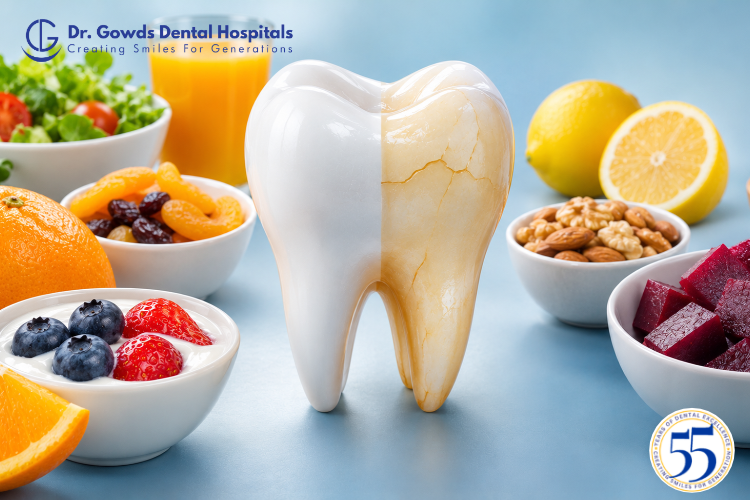
Eating healthy does not always mean choosing foods that are automatically tooth-friendly. Some foods that are commonly included in a balanced diet can be sticky, sugary, acidic, or easy to consume frequently throughout the day.
That does not mean you need to remove them from your diet. Instead, understanding which foods deserve a little more attention can help you make smarter choices for your everyday dental routine.
In this guide, Dr Gowds Dental Hospitals looks at 9 healthy foods that are bad for teeth and shares simple ways to enjoy them more thoughtfully.
Looking for personalized dental guidance in Hyderabad?
A food can have nutritional value and still require some consideration from a dental-care perspective.
Some foods may be naturally sweet, contain added sugars, have an acidic taste, or have a sticky texture that makes them stay around the teeth for longer. The way you consume a food also matters.
For example, eating something once with a meal is different from continuously snacking on it throughout the day.
Here are nine foods worth knowing about.
Raisins, dates, dried apricots and other dried fruits are popular snacks because they are convenient and naturally sweet.
The problem from a dental-care perspective is their sticky texture. Unlike fresh fruit, dried fruit can cling to the teeth and may be eaten several times as a quick snack.
Oranges, lemons, grapefruits and other citrus fruits are popular choices for people looking for fresh and nutritious foods.
However, citrus fruits are naturally acidic. If you frequently consume citrus throughout the day, it is worth paying attention to how often your teeth are exposed to acidic foods and drinks.
Enjoy citrus as part of a meal instead of repeatedly having small portions throughout the day. After eating, drinking plain water can also be a simple addition to your routine.
Fruit juice may sound like an obvious healthy choice, particularly when it is made from real fruit.
However, juice is much easier to drink quickly than whole fruit. It can also become a regular source of sweetness in the diet, particularly when consumed several times a day.
Yoghurt can be a convenient snack, but flavoured varieties can contain added sugars.
The packaging may make a product appear like a healthy snack, but checking the nutrition and ingredient information can reveal differences between plain yoghurt and flavoured versions.
When choosing yoghurt, compare different options and look at their added sugar content. You can also choose plain yoghurt and add fresh fruit for flavour.
Granola bars and muesli bars are often marketed as convenient snacks for busy mornings, travel or workouts.
Some varieties contain ingredients such as dried fruit, honey, syrups or other sweeteners. Their compact and sticky texture can also make them easy to eat quickly without thinking about what is in them.
Read the ingredient list before choosing a bar. Look for options with less added sugar and avoid turning snack bars into something you continuously nibble on throughout the day.
Whole-grain crackers can be a convenient alternative to highly processed snacks. But “whole grain” does not automatically mean a food is ideal for every aspect of your dental routine.
Crackers can break into small pieces and may be eaten repeatedly as a snack, particularly while working or watching television.
Have crackers as part of a proper snack or meal rather than eating them continuously. Pairing them with other foods can also make your snack more satisfying.
Pickled vegetables can add flavour to meals and are common in many Indian diets.
Because pickled foods can be acidic, frequent consumption is something to keep in mind when considering your overall food habits.
You do not necessarily need to stop eating pickles. Instead, enjoy them as part of a meal rather than consuming them repeatedly throughout the day.
A balanced approach is usually more practical than completely eliminating a favourite food.
Smoothies can combine fruits, yoghurt, milk, seeds and other ingredients into one convenient drink.
The ingredients may be nutritious, but a smoothie can also contain several naturally sweet ingredients in one serving. Smoothie bowls may additionally include dried fruit, granola, honey or other toppings.
Honey is often considered a natural alternative to refined sugar. It is commonly added to tea, yoghurt, toast, smoothies and breakfast foods.
Natural does not necessarily mean you should consume unlimited amounts. Honey is still a sweet ingredient, so the amount and frequency of consumption are worth considering.
Use smaller amounts where possible and avoid adding it automatically to every drink or meal. If you already enjoy honey, focus on moderation rather than treating it as something that needs to be completely eliminated.
Not necessarily.
The title may make these foods sound like foods you should never eat, but that is not the point. Most of the foods listed above can be part of a varied diet.
The bigger consideration is how often you consume them, how long they stay in your mouth, what ingredients they contain and what your overall dental-care routine looks like.
A healthy diet and a good oral-care routine can work together.
Instead of asking, “Should I completely stop eating this?” a more useful question may be:
“How can I enjoy this food without turning it into an all-day snacking habit?”
You do not need to completely change your diet to become more conscious of your dental habits.
A few simple habits can make your everyday routine easier to manage.
Eating or drinking something occasionally is different from repeatedly consuming it throughout the day.
Try to avoid turning snacks and sweet drinks into constant grazing.
Words such as “natural”, “healthy”, “whole grain” or “fruit-based” do not tell you everything about a product.
Look at the ingredient list and nutrition information, particularly when buying packaged snacks.
Plain water is a simple option when you want something to drink between meals.
It can also help you avoid repeatedly reaching for sweetened drinks.
Sticky foods can behave differently from foods that are quickly eaten and swallowed.
When choosing snacks, consider not just the nutritional value but also how the food behaves while you are eating it.
Food choices are only one part of everyday oral care. Regular brushing, appropriate cleaning between teeth and routine dental visits can help you stay aware of your oral health needs.
If some of your favourite snacks are sticky, sweet or heavily flavoured, you can look for simpler alternatives.
For example:
These are not strict rules. The goal is simply to become more aware of the foods you eat and how frequently you consume them.
A food does not have to be unhealthy overall to deserve some attention in your dental routine.
Dried fruits, citrus fruits, fruit juices, flavoured yoghurt, granola bars, crackers, pickles, smoothies and honey can all appear in everyday diets. The important thing is to consider portions, frequency, ingredients, texture and your overall oral-care habits.
Rather than avoiding every food on this list, focus on balance and consistency.
For personalised dental care in Hyderabad, visit Dr Gowds Dental Hospitals at Nanakramguda, Gachibowli, Madhapur, koti.
Not necessarily. A food can be nutritious while still being sticky, sweet or acidic. Looking at the food’s ingredients, texture and how frequently you consume it can help you make more informed choices.
Dried fruits, citrus fruits, fruit juices, flavoured yoghurt, granola bars, crackers, pickled foods, smoothies and honey are examples of foods that may deserve extra attention in your dental routine.
Dried fruit can be sticky and naturally sweet. If you enjoy it, consider eating it as part of a meal rather than repeatedly snacking on it throughout the day.
Fruit juice can contain naturally occurring sugars and may be consumed quickly or sipped over an extended period. Keeping portions moderate and choosing whole fruit more often can be a practical approach.
Honey is a natural sweetener, but it is still a sweet ingredient. The amount and frequency of consumption are more useful considerations than simply choosing a sweetener because it is labelled natural.
Smoothies can contain nutritious ingredients, but some may also contain several sweet ingredients or added sweeteners. Being mindful of ingredients and avoiding prolonged sipping can make your smoothie habit more considered.
Simple, less-sweet foods can be convenient options. Fresh foods and snacks with fewer added sugars can be considered when planning your everyday meals and snacks.
Not necessarily. Most foods discussed in this article do not need to be completely eliminated. Moderation, food frequency and a consistent dental-care routine are important considerations.
 Gachibowli Branch