

Schedule Appointment


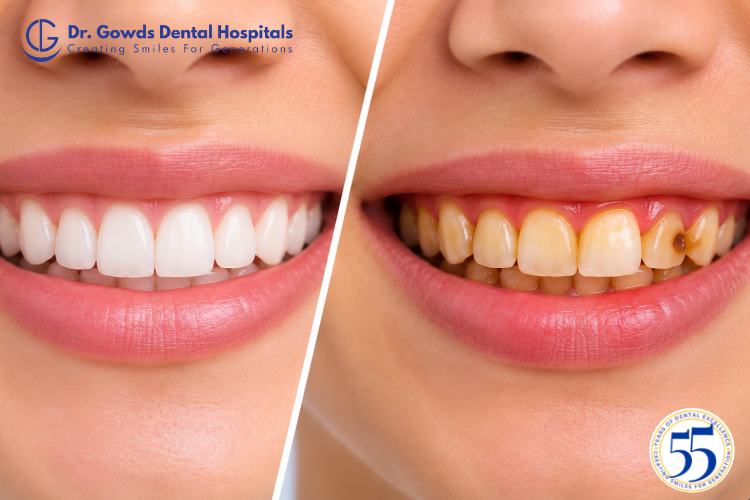
Your teeth do not have to be perfectly white or perfectly straight to look healthy. Natural teeth come in different shades, shapes and sizes. When comparing healthy teeth vs unhealthy teeth, it is more useful to look at the overall appearance of the teeth and gums and notice any changes over time.
This guide explains what healthy-looking teeth generally look like, which visible changes can make teeth look unhealthy, and what you can do to maintain a clean, well-cared-for smile.
Healthy-looking teeth can vary considerably from person to person. They do not need to be completely white, perfectly aligned or identical in shape.
Instead, look at the overall appearance of your smile.
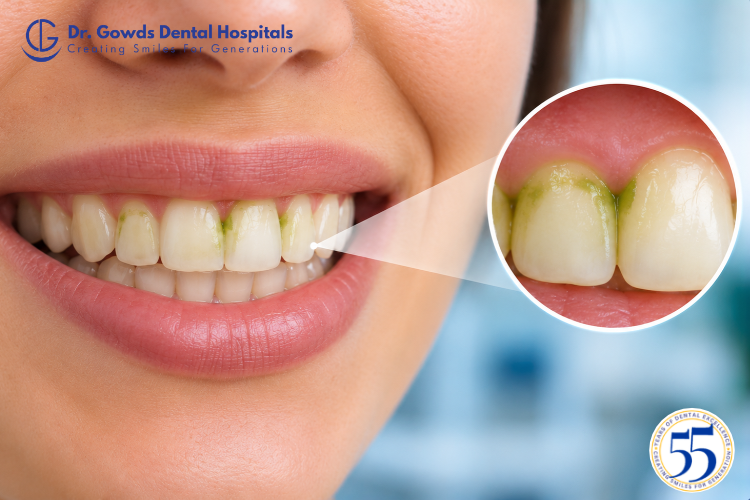
Teeth that are well maintained generally have a clean-looking surface without an obvious layer of buildup. The area close to the gumline is particularly important to notice because it can be easy to miss when brushing.
Small differences between teeth are completely normal. One tooth may have a slightly different shape or shade from another.
Healthy teeth are not necessarily bright white. Natural tooth colour can range from off-white to cream or slightly yellowish.
Different teeth may also have subtle differences in shade. Whiteness alone should not be used to judge the overall appearance of your teeth.
The visible surface of a tooth generally looks fairly smooth, although natural grooves and texture can be seen on the chewing surfaces.
A new rough area, unusual pit or noticeable surface change is something worth paying attention to, particularly if it was not there before.
Front teeth naturally have different shapes and sizes, but their visible edges generally appear intact.
A new chip, crack-like line or noticeable change in the shape of a tooth can make it look different from the surrounding teeth.
Your gums are also part of the overall appearance of a healthy-looking smile.
Gum colour naturally varies between people, so there is no single shade that everyone’s gums should have. Instead, notice whether your gums generally look consistent with their usual appearance and whether you see any new or persistent changes.
People often search for signs of unhealthy teeth when they notice something different in the mirror. A visible change does not always explain its own cause, but it can be a reason to pay closer attention.
A soft, sticky-looking film on the teeth can make the smile look dull or less clean. It may be especially noticeable near the gumline and between teeth.
If buildup remains noticeable despite your usual brushing routine, it may be useful to discuss your cleaning routine with a dental professional.
Natural tooth colour varies, but visible stains can make individual teeth or the entire smile look darker.
Staining may appear on the outer surface of teeth and can be influenced by everyday habits, foods and drinks. A stain that remains noticeable despite normal brushing may be worth discussing during a dental visit.
A new dark spot, pit or visible hole can change the appearance of a tooth.
It is difficult to determine the reason for every mark simply by looking at it. If a mark is new, persistent or becoming more noticeable, a dentist can examine the area and explain what you are seeing.
A tooth that suddenly feels rough when your tongue passes over it can feel noticeably different from the surrounding teeth.
The same applies to a new edge or surface that catches when you run your tongue across it. Rather than repeatedly checking the area yourself, mention the change during a dental visit.
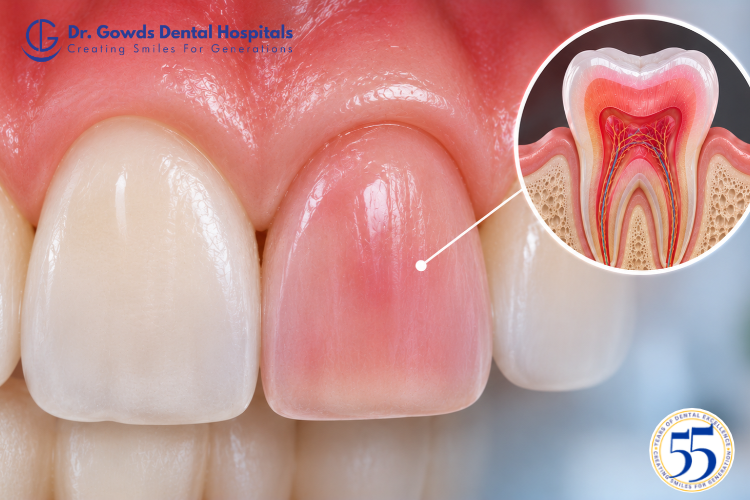
Changes around the gumline can also alter the appearance of your smile.
Because natural gum colour and appearance vary, it is more useful to compare your gums with their usual appearance rather than someone else’s. New or persistent changes are worth discussing with a dentist.
When looking at healthy teeth vs unhealthy teeth, consider these visible differences:
This comparison is useful for observation, but appearance alone cannot explain every dental change. A tooth that looks normal may still need professional attention, while a tooth that looks different may have a simple explanation.
Good dental care is not about making every tooth look perfectly white. It is about maintaining a consistent routine and paying attention to changes.
Brush all accessible tooth surfaces and pay attention to the gumline. A rushed brushing routine can leave areas of the mouth untouched, particularly around the back teeth.
The spaces between teeth can be difficult to reach with a toothbrush. Include an appropriate method of cleaning between your teeth in your regular routine.
If you regularly consume foods or drinks that leave visible stains, pay attention to how your tooth colour changes over time.
Simple habits such as rinsing with water after strongly coloured foods or drinks can complement your normal dental routine.
One common mistake is assuming that very white teeth automatically mean a healthy smile.
Tooth colour is only one part of appearance. Consider the overall picture, including cleanliness, surface appearance, tooth structure, gum appearance and changes over time.
Looking at your teeth in the mirror can help you notice visible changes, but it cannot provide the same information as a professional dental examination.
A dental visit also gives you an opportunity to ask about changes you have noticed and your everyday dental care routine.
Not sure whether a change in your teeth is simply a cosmetic difference or something that needs attention? Talk to the dental team at Dr Gowds Dental Hospitals and have the area examined rather than relying on appearance alone.
Yes. Natural teeth do not have to be bright white. Some people naturally have teeth that appear slightly cream or yellowish.
Tooth colour can also differ from one tooth to another. Comparing your smile with edited photographs or another person’s tooth colour can create unrealistic expectations.
Yes. White teeth are not automatically a sign that everything about a smile is fine.
Whiteness is only one visual characteristic. When looking at your smile, also pay attention to the appearance of the tooth surfaces, tooth edges and gums.
A new or persistent change is more useful to notice than a small difference that has always been present.
Pay attention if you notice:
These observations do not tell you the cause. They simply give you a reason to consider a professional dental check.
When comparing healthy teeth vs unhealthy teeth, the biggest mistake is judging a smile only by how white it looks.
Healthy-looking teeth can have natural colour variations, different shapes and small imperfections. Instead, look at the whole picture: clean-looking surfaces, intact tooth structure, a consistent appearance and gums that look normal for you.
Most importantly, notice changes rather than trying to work out their cause yourself.
If you have questions about the appearance of your teeth or have noticed a change in your smile, you can consult Dr Gowds Dental Hospitals in Hyderabad, with branches in Nanakramguda, Gachibowli, Madhapur, koti.
Healthy-looking teeth can vary in colour, shape and size. They generally have clean-looking surfaces, intact edges and an appearance that is consistent with the person’s usual smile.
Visible buildup, persistent staining, new dark spots, rough areas, changes in tooth shape or noticeable changes around the gums can make teeth look unhealthy. A dentist can assess any change that concerns you.
Natural teeth can range from off-white to cream or slightly yellowish. Tooth colour varies between individuals, so bright white teeth are not the only way to have a healthy-looking smile.
Yes. Tooth colour alone does not provide a complete picture of dental health. The appearance of the tooth surface, edges and surrounding gums can also be considered.
Gum colour naturally varies from person to person. Rather than looking for one specific shade, notice whether your gums generally look consistent with their usual appearance and whether there are new or persistent changes.
Plaque can appear as a soft, sticky-looking film on the tooth surface. It may be easier to notice around the gumline or between teeth.
If a dark spot is new, persistent or becoming more noticeable, consider having it examined by a dentist rather than trying to determine its cause from appearance alone.
Look at the overall appearance of your teeth and gums, including cleanliness, colour, surface texture, tooth edges and any changes over time. A professional dental examination can provide a more complete assessment.

 Gachibowli Branch