

Schedule Appointment


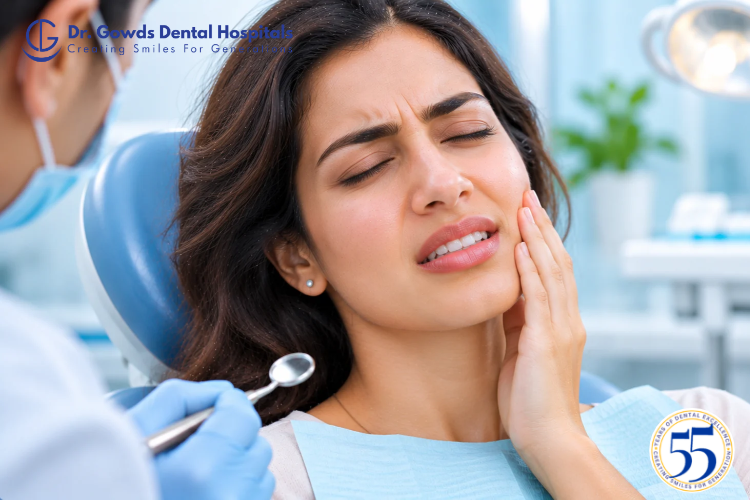
Have you ever noticed a strange pressure feeling in teeth even when there is little or no pain? Your teeth may feel heavy, tight, sensitive, or uncomfortable when you bite or chew. Sometimes the sensation may affect one tooth, while at other times it can seem to involve several teeth.
A pressure sensation can have several possible explanations, ranging from temporary sensitivity to issues involving the tooth, gums, bite, or surrounding areas. The feeling alone cannot identify the exact cause, which is why paying attention to when and how it occurs can be useful.
In this guide, we explore common reasons for pressure in teeth, what symptoms to look for, and when a dental evaluation may be appropriate.
People can experience dental pressure in different ways. You may describe it as:
The sensation may occur in a single tooth or several teeth. It may also become more noticeable while eating, clenching your teeth, waking up, or changing position.
Because these sensations can overlap between different dental concerns, the location, duration, and triggers are useful details to note.
There is no single explanation for tooth pressure. Several dental and surrounding factors can produce a similar sensation.
Tooth sensitivity can sometimes be experienced as discomfort rather than sharp pain. Changes in temperature, certain foods, brushing, or pressure during eating may make the affected tooth feel unusual.
If the sensation repeatedly occurs with specific triggers, mention these details during a dental appointment.
Changes within a tooth can sometimes be associated with pressure or discomfort. A cavity, damaged area, or other structural change may not always produce obvious pain at first.
A dentist can examine the tooth and determine whether further assessment is needed.
A small crack or damaged area may cause discomfort during biting or chewing. Some people notice that the sensation appears only when pressure is applied to the tooth.
If you experience pressure specifically while biting down or releasing your bite, it is worth discussing this pattern with a dentist.
Your teeth meet each other in a specific pattern when you close your mouth. If the way your teeth come together changes, one tooth may feel as though it is receiving more pressure than usual.
This may be noticed after certain dental treatments or when your bite feels different from before.
Repeatedly clenching or grinding the teeth can place additional pressure on them. Some people notice a heavy or tired feeling in their teeth or jaw, particularly after waking up.
If you frequently wake with jaw discomfort, tooth tenderness, or a feeling of pressure, tell your dentist about the pattern.
The gums surrounding a tooth can also contribute to an uncomfortable or pressured sensation. Changes in the gum area may be associated with tenderness, swelling, bleeding, or sensitivity.
Pay attention to whether the pressure appears to come from the tooth itself or from the surrounding gum.
A tooth can feel different for some time after dental treatment. Changes in the bite, sensitivity, or general awareness of the treated area may make you more conscious of that tooth.
If the sensation continues, becomes more noticeable, or interferes with eating, a follow-up dental assessment can help determine whether anything needs attention.
For some people, discomfort or pressure toward the back of the mouth may be associated with wisdom teeth or the surrounding gum area.
If the sensation is concentrated behind the other teeth, particularly around the back of the jaw, mention its exact location during your dental visit.
The upper teeth are located close to the sinus region. As a result, pressure in the surrounding facial area can sometimes be perceived around the upper teeth.
If several upper teeth seem to feel pressured at the same time, especially alongside facial or nasal symptoms, describe the complete pattern rather than focusing only on the teeth.
A pressure feeling in one tooth is worth paying attention to, particularly if the sensation repeatedly occurs in the same location.
The cause may be related to that specific tooth, its surrounding gum, your bite, or another nearby area. A dentist may consider several factors during an examination, including:
Keeping track of these details can make it easier to explain the problem during your appointment.
Tooth pressure without pain can be easy to ignore, especially when the sensation is mild.
However, the absence of pain does not tell you what is causing the sensation. If the feeling is brief and does not return, you may simply continue monitoring it. If it persists, repeatedly returns, or becomes more noticeable, consider having it evaluated.
Instead of trying to identify the cause based only on the sensation, note when it happens and what seems to trigger it.
Consider arranging a dental evaluation if:
Seek prompt dental or medical attention for significant swelling, difficulty breathing or swallowing, serious facial injury, or rapidly worsening symptoms.
A dental consultation generally starts with your description of the problem.
Your dentist may want to know:
Depending on the situation, the dentist may examine the teeth, gums, bite, and surrounding areas. Additional dental assessment may be considered when necessary.
The important point is that tooth pressure is a symptom, not a diagnosis. Finding the underlying reason is more useful than trying to treat the sensation without knowing what is causing it.
If the pressure is bothering you, simple steps can help you avoid aggravating the area while you arrange an evaluation.
Avoid relying on temporary measures to ignore a recurring dental problem. If the sensation continues, professional evaluation can provide a clearer understanding of what may be happening.
If you are experiencing recurring pressure in your teeth, Dr Gowds Dental Hospitals can help you discuss the symptoms and determine whether a dental evaluation is appropriate. Consultations are available across Nanakramguda, Gachibowli, Madhapur, koti in Hyderabad.
Not every cause of tooth pressure can be prevented. However, maintaining consistent oral care and paying attention to changes in your teeth can make it easier to identify concerns early.
Useful habits include:
The goal is not to become concerned about every unusual sensation. Instead, recurring or changing symptoms should receive appropriate attention.
Pressure in your teeth is a sensation that may feel like heaviness, fullness, tightness, or discomfort. It can occur in one tooth or several teeth and may have different possible causes.
Pressure in one tooth while biting may be associated with the tooth itself, the surrounding tissues, or the way your teeth meet. A dental examination can help determine what is contributing to the sensation.
Yes, some people notice a pressure sensation without significant pain. If the feeling continues, repeatedly returns, or changes over time, consider discussing it with a dentist.
Pressure while chewing can be related to how the teeth respond to biting forces. The exact reason depends on the tooth involved and other symptoms, so persistent pressure during chewing should be evaluated.
Clenching places repeated force on the teeth and jaw. If you notice tooth or jaw discomfort, particularly around the time you wake up, mention possible clenching to your dentist.
Consider seeing a dentist when pressure is persistent, repeatedly affects the same tooth, occurs during biting, or is accompanied by other noticeable changes in the teeth or gums.
When several upper teeth feel pressure simultaneously, the sensation may not necessarily originate from one tooth. The surrounding facial and sinus areas can also contribute to how pressure is perceived.
A dentist can review your symptoms and examine your teeth, gums, and bite. If necessary, further dental assessment may be considered to better understand the cause.
 Gachibowli Branch