

Schedule Appointment

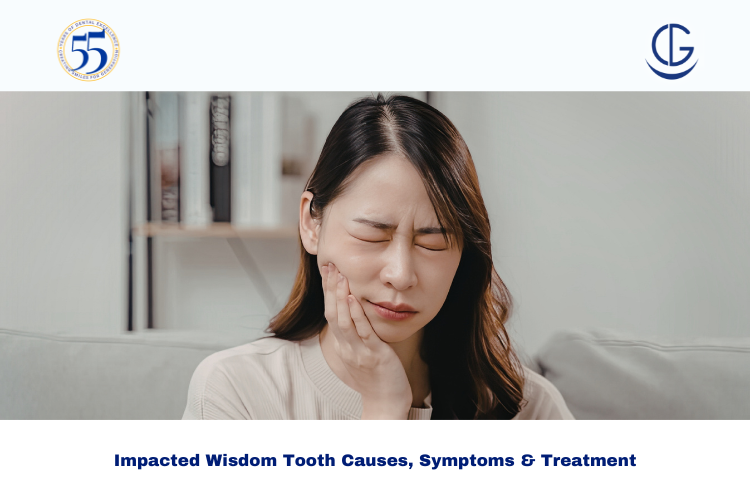
An impacted wisdom tooth is one of the most common reasons people in Hyderabad experience sudden jaw pain, swelling near the back teeth, or repeated gum infections. Wisdom teeth (third molars) usually erupt between ages 17–25, but when there isn’t enough space—or when the tooth grows in the wrong direction—it can get “stuck” under the gum or against the neighboring molar.
At Dr Gowds Dental Hospitals, we frequently see patients who ignore early warning signs until pain becomes intense. The good news is: impacted wisdom teeth can be diagnosed early with a clinical exam and an X-ray, and the right treatment can prevent long-term complications.
If you’re dealing with back-tooth pain, swelling, or difficulty opening your mouth, book a consultation at Dr Gowds Dental Hospitals and visit your nearest Hyderabad branch for an expert evaluation.
Wisdom tooth problems are common everywhere, but in busy cities like Hyderabad, people often delay dental visits due to work hours, traffic, and scheduling. Unfortunately, impacted wisdom teeth can worsen quickly—especially if infection develops.
Many patients first try:
But if the tooth is impacted, symptoms may keep returning until the root cause is treated.
An impacted wisdom tooth is a wisdom tooth that cannot fully erupt into the mouth in a normal position.
It may be:
Impaction can happen due to:
The tooth tilts forward, pushing into the tooth in front of it. This can cause:
The tooth is upright but cannot erupt due to lack of space.
The tooth tilts backward and can be harder to remove depending on depth.
The tooth grows sideways into the second molar, increasing risk of:
Modern jaws are often smaller due to dietary changes over generations. When there isn’t enough space, wisdom teeth may become impacted instead of erupting normally.
Sometimes the tooth develops at an angle and heads toward the second molar rather than rising upward.
If your teeth are already crowded, wisdom teeth have fewer chances to come in properly.
Family history plays a role. If your parents had impacted wisdom teeth, you may be more likely to have them too.
Not every impacted tooth causes pain immediately. Some remain “silent” for years. But when symptoms start, they tend to return repeatedly.
Common impacted wisdom tooth symptoms include:
If you notice any of the following, you should seek a dental evaluation soon:
These may suggest infection and require urgent attention.
When a partially erupted wisdom tooth leaves a gum flap, food and bacteria get trapped. This can lead to repeated swelling and pain.
Impacted teeth are hard to clean. You may develop cavities in:
A sideways impacted tooth can press on the second molar and cause:
Fluid-filled cysts can develop around impacted teeth and may damage bone and nearby teeth.
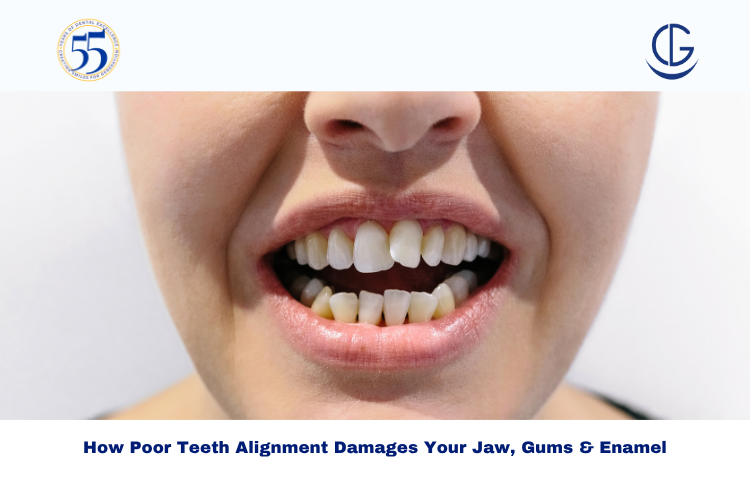
Not everyone experiences crowding from wisdom teeth, but in some cases, pressure can contribute to:
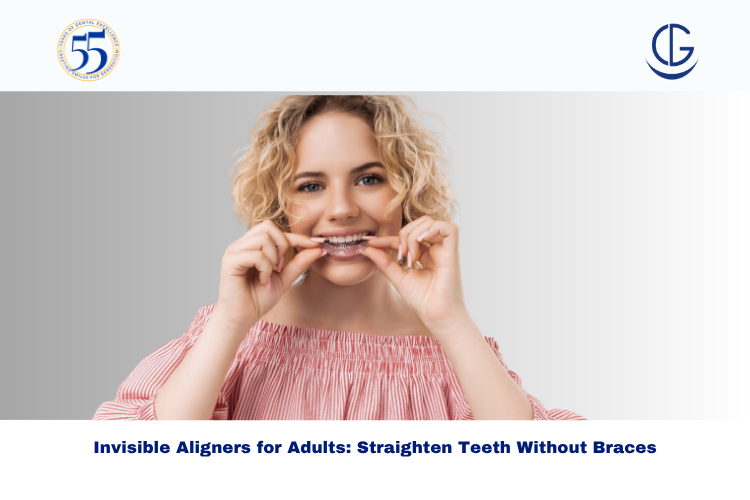
If alignment is a concern, you can talk to an orthodontist and explore aligner treatment after the wisdom tooth issue is addressed.
At Dr Gowds Dental Hospitals, diagnosis usually includes:
Your dentist checks:
An OPG (panoramic X-ray) helps determine:
If the impacted wisdom tooth:
Your dentist may suggest periodic monitoring with X-rays.
If infection or inflammation is present, your dentist may prescribe:
Important: medication helps symptoms, but it does not “fix” impaction.
Extraction is recommended when the tooth is causing:
Depending on impaction depth, removal may be:
A smoother recovery usually comes down to good aftercare.
If you’re experiencing recurring pain, swelling, or other impacted wisdom tooth symptoms, don’t wait for it to worsen. Book a consultation at Dr Gowds Dental Hospitals, visit your nearest Hyderabad branch(Gachibowli, Madhapur, Koti, Nanakramguda) and get a clear diagnosis with the right treatment plan. You can also talk to an orthodontist about crowding concerns and explore aligner treatment if your bite or alignment has been affected.
Common clues include pain at the back of the jaw, gum swelling behind the molars, difficulty opening your mouth, and repeated flare-ups on the same side.
Yes. Symptoms often reduce temporarily with medication or home rinses, but they usually return if the underlying impaction is not treated.
During the procedure, you should not feel pain because the area is fully numbed. After the procedure, mild to moderate soreness is normal and can be managed with prescribed medication.
For most people, discomfort improves significantly in 3–5 days. Full healing can take a few weeks depending on how deeply the tooth was impacted.
Yes. If you’re noticing crowding or bite discomfort, you can talk to an orthodontist. In some cases, after treating the wisdom tooth issue, you may also explore aligner treatment for alignment correction.
 Gachibowli Branch