

Schedule Appointment

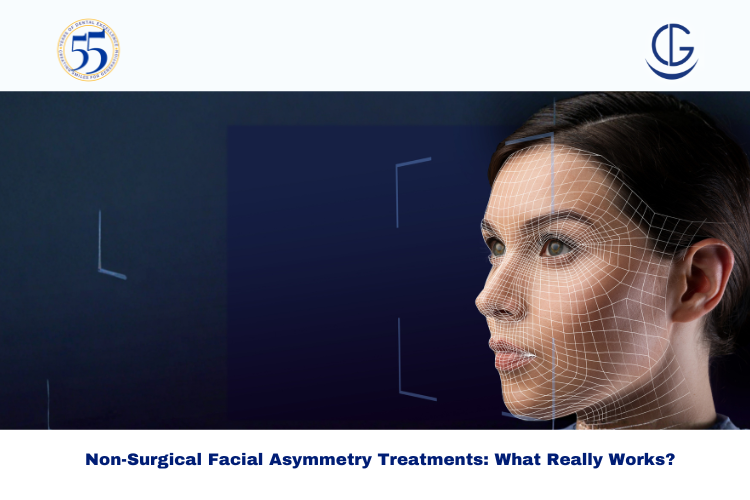
Facial asymmetry is a common concern, and while no face is perfectly symmetrical, noticeable imbalance can affect appearance, confidence, and even oral function. The good news is that not all cases of facial asymmetry require surgery. Thanks to advancements in modern dentistry and aesthetic treatments, several non-surgical options can effectively improve facial balance—especially in mild to moderate cases.
At Dr. Gowds Dental Hospitals, we focus on personalized, minimally invasive solutions whenever possible. In this blog, we’ll explore non surgical treatments for asymmetrical face, how they work, and who they are best suited for.
Yes—non surgical treatments for asymmetrical face can be highly effective when facial asymmetry is not caused by severe skeletal deformities. These treatments focus on correcting muscle activity, improving dental alignment, restoring facial volume, and addressing functional habits that contribute to imbalance.
Non-surgical options are ideal for:
Dental misalignment is one of the most common causes of facial asymmetry. Crooked teeth or an uneven bite can affect jaw position and facial proportions over time.
How it helps:
Timeline: 6–24 months, depending on severity
Best for: Asymmetry caused by teeth or bite issues
Clear aligners offer a discreet way to improve dental alignment and facial balance. As teeth move into proper position, facial contours—especially around the lips and jaw—often become more symmetrical.
Advantages:
Best for: Mild to moderate dental-related asymmetry
Botox is commonly used to treat facial asymmetry caused by uneven muscle activity, such as one side of the jaw or face being more dominant.
How it works:
Results: Visible within days, lasting 3–6 months
Best for: Muscle-related asymmetry, jaw clenching, uneven facial expressions
Dermal fillers can restore balance by adding volume to areas that appear flatter or underdeveloped, such as cheeks, chin, or jawline.
Benefits:
Duration: 6–18 months depending on filler type
Best for: Soft-tissue asymmetry or facial volume loss
In some cases, targeted facial exercises or muscle therapy can help strengthen weaker muscles and improve coordination.
Effective when combined with:
Best for: Functional or habit-related asymmetry
Daily habits can worsen facial asymmetry over time.
Common contributing habits include:
Correcting these habits can prevent progression and support other treatments.
Non-surgical treatments may not be sufficient for:
In such cases, orthodontics combined with jaw surgery may be recommended after a thorough evaluation.
At Dr. Gowds Dental Hospitals, we offer a comprehensive approach to facial asymmetry treatment using advanced diagnostics and customized care plans.
Why patients trust us:
If you’re concerned about facial asymmetry and want to explore non-surgical treatment options, schedule a consultation at Dr. Gowds Dental Hospitals. Our specialists will evaluate your condition and recommend the most effective, personalized solution.
Yes, mild to moderate facial asymmetry can often be improved with non-surgical treatments such as braces, clear aligners, Botox, dermal fillers, and muscle therapy.
Some treatments, like Botox and fillers, show results within days, while orthodontic treatments may take several months to achieve visible improvements.
Orthodontic corrections provide long-term results, but treatments like Botox and fillers require periodic maintenance to sustain results.
Most non-surgical treatments involve minimal discomfort. Any mild soreness usually subsides quickly and can be managed easily.
Patients with mild to moderate asymmetry caused by dental, muscle, or soft-tissue imbalances are ideal candidates. A professional evaluation is necessary to determine suitability.
 Gachibowli Branch