
Schedule Appointment

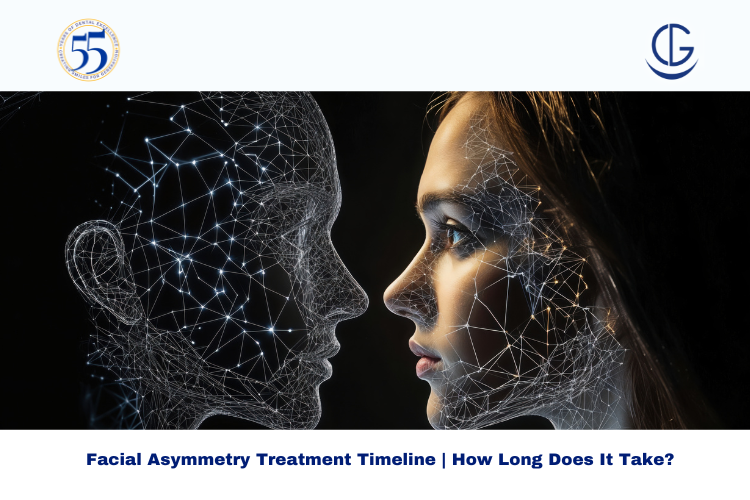
The time needed to treat facial asymmetry depends on the underlying cause, the type of treatment required, and the complexity of the case. Some dental changes may become noticeable within a few months, while orthodontic, bite-related, or jaw-related correction can take longer.
Facial asymmetry may be related to tooth position, bite imbalance, jaw structure, muscle use, or a combination of factors. Because of this, there is no single treatment timeline that applies to everyone.
At Dr. Gowds Dental Hospitals in Hyderabad, treatment duration is estimated after evaluating the teeth, bite, jaw relationship, and the main source of the asymmetry. This helps set realistic expectations before treatment begins.
Want to know what timeline may apply to your case?
Book a facial asymmetry evaluation to understand the likely treatment approach and duration.
Facial asymmetry correction refers to treatment aimed at improving imbalance between the two sides of the face when the difference is related to the teeth, bite, jaw position, muscles, or facial structure.
The treatment approach depends on the underlying cause. Some people may need orthodontic treatment such as braces or clear aligners, while others may benefit from bite correction, dental treatment, management of jaw-related problems, or specialist surgical care in selected cases.
Because facial asymmetry can have different causes, the treatment timeline also varies. A dental alignment problem may follow a very different schedule from a skeletal jaw discrepancy or a cosmetic concern.
The treatment timeline depends on what is causing the asymmetry and which type of correction is required. Some cases mainly involve the teeth or bite, while others involve the jaw, muscles, or underlying facial structure.
A useful way to think about the timeline is by treatment type rather than by one fixed number.
Clear aligner treatment may take several months to more than a year depending on the amount of tooth movement and bite correction required.
Some patients may notice changes in tooth alignment earlier, but visible facial changes are less predictable and depend on whether the asymmetry is actually related to the teeth or bite.
If aligners are being considered for a bite- or tooth-related imbalance, see can Invisalign help facial asymmetry for a more detailed explanation of when aligners may be appropriate.
Braces often require many months of treatment, and more complex bite corrections may take longer.
The total duration depends on factors such as:
For a closer look at orthodontic correction, read our guide to braces for facial asymmetry.
When facial asymmetry is caused mainly by the jaw bones or skeletal structure, treatment may take longer.
Some cases may require orthodontic preparation before specialist surgical treatment, followed by a period of recovery and finishing orthodontic care.
Because of this, jaw-related correction can involve a longer treatment pathway than dental alignment alone.
Cosmetic procedures such as bonding, veneers, or contouring may change the appearance of the smile in a shorter timeframe.
However, these treatments do not correct underlying skeletal or jaw asymmetry. They are most relevant when the concern is mainly related to tooth shape, proportion, or smile appearance.
When jaw clenching, muscle overuse, or TMJ-related problems contribute to facial imbalance, the timeline depends on the diagnosis and how the condition responds to treatment.
Management may involve reducing excessive muscle strain, addressing bite-related factors, or treating jaw-joint symptoms where appropriate.
Visible facial changes should not be expected on a fixed schedule because they vary considerably from person to person.
The time needed for facial asymmetry treatment can vary considerably from one person to another. The main factors that influence treatment duration include:
Dental, muscular, skeletal, and soft-tissue asymmetry do not follow the same treatment path.
A mainly dental problem may be treated with orthodontics or bite correction, while skeletal jaw asymmetry may require a longer and more complex treatment plan.
More complex bite discrepancies or jaw-position differences generally require more treatment planning and may take longer to correct than minor alignment concerns.
Treatment planning may differ depending on whether facial and jaw growth is still ongoing.
In younger patients, growth may influence the timing and type of treatment. In adults, treatment is planned around a more stable skeletal structure.
Treatment duration can vary depending on whether the plan involves:
The treatment pathway itself also affects the overall duration. For a broader overview of available options, see facial asymmetry treatment in Hyderabad.
Some treatment options depend heavily on patient cooperation.
For example, clear aligners need to be worn as instructed, and missed appointments or inconsistent appliance use can delay progress.
Untreated gum disease, tooth decay, missing teeth, or other dental problems may need to be managed before or during asymmetry treatment.
Teeth, bite, muscles, and jaw structures do not respond at exactly the same rate in every patient.
Regular follow-up allows the treatment plan to be adjusted based on actual progress rather than relying on a fixed timetable.
The treatment timeline is based on the underlying cause of the asymmetry and the type of correction required.
During evaluation, the dental or orthodontic team may review:
Depending on the case, photographs, digital scans, X-rays, or other imaging may also be used.
Once the cause is identified, the treatment plan can estimate whether the patient may need orthodontic treatment, bite correction, restorative dental treatment, TMJ-related care, or specialist surgical evaluation.
The timeline should be reviewed during treatment because actual progress can vary from one patient to another.
The best time to begin treatment depends on the cause of the asymmetry, the patient’s age, and whether facial and jaw growth are still ongoing.
When asymmetry is related to jaw growth, bite development, or orthodontic problems, evaluation during the growing years can be useful. In some cases, growth may influence treatment planning or allow certain orthodontic approaches to be considered earlier.
However, not every child or teenager with facial asymmetry needs treatment, and timing should be based on diagnosis rather than age alone.
In young adults, facial growth is usually more advanced, so treatment planning may focus more on tooth alignment, bite correction, jaw relationships, and whether the asymmetry is mainly dental or skeletal.
Orthodontic treatment, clear aligners, bite correction, or other dental approaches may still be appropriate depending on the cause.
Facial asymmetry can still be assessed and treated in adulthood. Age alone does not prevent orthodontic, dental, non-surgical, or surgical treatment.
The appropriate approach depends on the condition of the teeth, gums, jaw joints, bite, skeletal structure, and overall health.
Facial asymmetry treatment timeline depends on the severity of asymmetry, age, and type of treatment required. Below is a clear breakdown of the typical facial asymmetry treatment timeline.
The first step is a comprehensive evaluation by a dental or orthodontic specialist.
At Dr. Gowds Dental Hospitals, diagnosis may include:
This stage usually takes 1 to 2 weeks and is essential for creating a customized treatment plan.
If facial asymmetry is caused by crooked teeth or bite problems, orthodontic treatment is often the primary solution.
Treatment options include:
Typical orthodontic timelines:
As teeth gradually move into proper alignment, facial balance often improves naturally. In some cases, veneers or composite bonding may be recommended after orthodontics to enhance final aesthetics.
For severe facial asymmetry caused by skeletal jaw discrepancies, jaw surgery may be required.
Jaw surgery is recommended when:
Jaw surgery timeline includes:
While the surgery itself requires 1–2 weeks of initial recovery, the entire process can take 6–12 months for complete healing and alignment.
After active treatment, follow-up care ensures long-term stability and results.
This phase can last 3 to 12 months, depending on treatment complexity.
Some patients notice changes before treatment is complete, but the timing depends on what is being corrected.
For example:
It is important to separate early visible changes from the final treatment result. A smile may start to look more aligned before the bite, jaw relationship, or overall treatment plan is complete.
The most reliable estimate comes from reviewing the specific cause of the asymmetry, the treatment being used, and how the patient is responding over time.
The right time to begin facial asymmetry treatment depends on the underlying cause, the severity of the imbalance, and whether the condition is stable or changing.
Not everyone with an asymmetrical face needs immediate treatment. Mild facial differences are common and may not require correction. However, certain dental, bite, or jaw-related problems may benefit from earlier professional evaluation.
Consider consulting a dental or orthodontic specialist if you notice:
In growing patients, the stage of jaw development can influence which orthodontic treatments are appropriate and when they should begin.
For adults, treatment timing depends more on the underlying diagnosis, oral health, treatment complexity, and individual goals.
Starting treatment earlier does not always mean faster correction or better results. The most appropriate time should be determined after a clinical evaluation.
Sudden facial drooping or asymmetry accompanied by weakness, numbness, or difficulty speaking requires emergency medical assessment rather than a routine dental consultation.
Treatment progress should be reviewed regularly rather than judged only by appearance.
Depending on the type of treatment, follow-up may include:
These follow-up checks help the dental or orthodontic team assess whether treatment is progressing as expected and whether any adjustments are needed.
For orthodontic treatment, progress may be assessed by changes in tooth position, dental midline, bite relationship, and alignment over time.
For jaw-related or more complex cases, monitoring may involve a combination of orthodontic review and specialist assessment.
The goal is to track real clinical progress instead of relying only on how quickly facial changes appear in the mirror or in photographs.
Two patients with facial asymmetry may need completely different treatment plans, even if their faces appear similar at first glance.
One person may mainly have a dental alignment problem, while another may have a bite discrepancy, jaw-position difference, TMJ-related issue, muscle imbalance, or skeletal asymmetry.
Because the cause is different, the timeline is also different.
For example:
This is why a fixed promise such as “facial asymmetry can be corrected in three months” is not appropriate for every patient.
A realistic timeline should be based on the diagnosis, treatment plan, and progress during follow-up.
Treatment time and treatment cost are closely related to the complexity of the case and the type of correction required. You can also review our guide to facial asymmetry treatment cost.
Some patients notice changes in tooth alignment or smile appearance before treatment is complete. Visible facial changes depend on the underlying cause and the type of treatment being used.
Not necessarily. The better option depends on the type of tooth movement, bite correction required, and the complexity of the case. Neither treatment is automatically faster for every patient.
Yes, adults may benefit from orthodontic, dental, non-surgical, or surgical treatment depending on the cause. Age alone does not determine whether treatment is possible.
Jaw-related skeletal asymmetry can involve a longer treatment pathway because orthodontic preparation, surgery, recovery, and finishing treatment may all be required.
No. A reasonable estimate can often be given after examination and treatment planning, but actual progress depends on how the teeth, bite, jaw, and tissues respond during treatment.
The level of discomfort depends on the treatment. Braces and clear aligners may cause temporary pressure or soreness, especially after adjustments, while other treatments can have different recovery experiences.
Treatment may improve facial balance when the asymmetry is related to the teeth, bite, jaw, or other treatable factors. The amount of visible change depends on the underlying cause and the type of treatment.
Treatment duration varies. Dental and orthodontic cases may take several months or longer, while more complex jaw-related treatment can require a longer treatment pathway.
Avoid the old fixed claim that “mild cases take 6–9 months and complex cases 12–24 months” unless you have case-specific evidence for those ranges.
No. Surgery is not required for every case. Some patients may be treated with orthodontics, aligners, bite correction, restorative treatment, TMJ-related care, or other non-surgical approaches. Significant skeletal asymmetry may require surgical evaluation.
A professional evaluation may be useful if the asymmetry is becoming more noticeable, affects your bite or chewing, causes jaw discomfort, or is associated with functional problems. Mild natural asymmetry may not require treatment.
Because facial asymmetry can result from different dental, bite, jaw, muscular, or skeletal factors, treatment time cannot be estimated accurately from appearance alone.
A professional evaluation can help identify the likely cause of the asymmetry and determine which treatment options may be appropriate.
At Dr. Gowd’s Dental Hospitals in Hyderabad, an assessment can review the teeth, bite, jaw relationship, and other relevant factors before discussing the expected treatment pathway and approximate duration.

 Gachibowli Branch