

Schedule Appointment


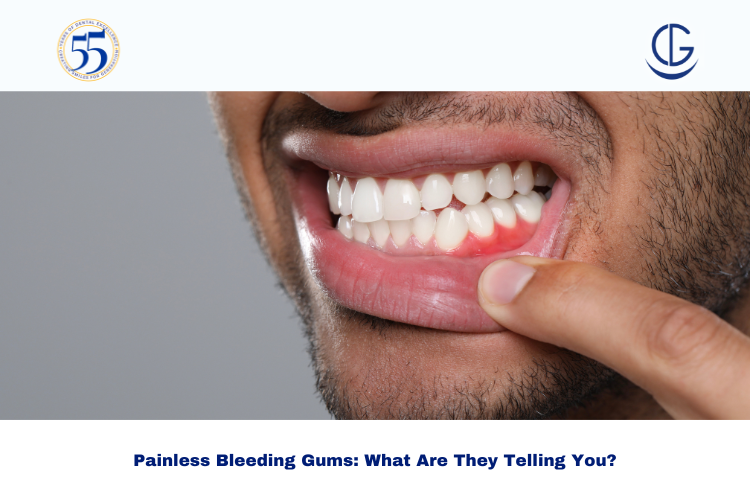
Painless bleeding gums can feel harmless, but it’s often your body’s quiet warning sign that something in your gums needs attention—before it becomes a bigger problem. Many people in Hyderabad notice light bleeding while brushing or flossing, yet feel no pain, so they ignore it for weeks or even months.
Within the first stage, gum issues can be “silent,” and that’s why this topic matters. At Dr Gowds Dental Hospitals, we routinely see patients who assume bleeding without pain is “normal”—until swelling, bad breath, or loose teeth show up later. Early action can protect your gums, teeth, and long-term oral health.
If you’ve noticed painless bleeding gums, don’t wait for pain to start. Book a consultation at Dr Gowds Dental Hospitals in Hyderabad. If tooth alignment or crowded teeth is contributing to gum inflammation, you can also talk to an orthodontist and explore aligner treatment as part of a long-term solution.
Lifestyle can quietly contribute to gum problems—fast meals, irregular brushing schedules, stress, tobacco use, and long working hours. Add to this:
This is why painless bleeding gums are often the first visible clue of a hidden gum issue.
Silent gum disease refers to early gum inflammation (usually gingivitis) that progresses with minimal discomfort. You may not feel pain because gum disease doesn’t always hurt in the beginning—even when damage has started.
When plaque stays on teeth and along the gumline, it hardens into tartar. Your gums react with inflammation, and that can cause bleeding—even if you feel perfectly fine otherwise.
Let’s break down what painless bleeding gums could mean in real life.
This is the most common cause. Gingivitis often shows up as:
Good news: gingivitis is usually reversible with professional cleaning and consistent home care.
Even if you brush daily, plaque can harden into tartar in areas that are difficult to reach—behind lower front teeth, back molars, and near crowded areas. Once tartar forms, regular brushing won’t remove it.
Many patients think “hard brushing = clean teeth.” In reality, aggressive brushing can injure gums and cause bleeding.
Signs you may be brushing too hard:
Low vitamin levels can affect gum healing and blood clotting. If your diet has been irregular, or you’ve been under stress, painless bleeding gums may appear more easily.
Some people notice gum bleeding during:
Smoking may reduce pain signals and alter blood flow—so gum disease can progress quietly. In many cases, bleeding is inconsistent, but the underlying issue can be more serious.
Uncontrolled blood sugar can worsen gum inflammation and slow healing. If bleeding gums are frequent and recurring, it’s worth checking systemic factors too.
Not every case is severe, but painless bleeding gums should be taken seriously if you also notice:
These can suggest gum disease is moving beyond early gingivitis into periodontitis, where bone support can be affected.
Pain is not a reliable indicator in gum disease. Here’s why:
So yes—silent gum disease can progress while you feel “normal.”
At Dr Gowds Dental Hospitals, evaluation for painless bleeding gums is usually simple, quick, and focused.
A typical gum check may include:
This helps identify whether you need a routine cleaning, deep cleaning, gum therapy, or supportive orthodontic planning.
Treatment depends on what’s causing the bleeding. Here’s a clear breakdown.
This is the most common first step. It removes plaque and tartar from above the gumline, improving gum health quickly when gingivitis is the cause.
If there are deeper pockets, bacteria can sit under the gumline. A deeper cleaning may be required to remove deposits below the gums and support healing.
Some cases need:
Crowded teeth make cleaning harder, increasing plaque retention and gum inflammation. If misalignment is contributing to repeated gum bleeding, you may benefit from orthodontic planning.
That’s where it helps to:
Along with professional care, these steps support recovery:
Important: If gums bleed, don’t stop brushing. Gentle, correct brushing is usually part of the solution.
If you’re dealing with painless bleeding gums, don’t wait until it becomes painful or starts affecting your teeth. Visit Dr Gowds Dental Hospitals in Hyderabad, nearest branch (Gachibowli, Madhapur, Koti, Nanakramguda), and get a clear gum health plan. If alignment is making your gums harder to clean, talk to an orthodontist and explore aligner treatment for a cleaner, healthier long-term outcome.
Not always, but it’s never something to ignore. Painless bleeding gums can be an early sign of gum inflammation and is best evaluated early.
Many people see improvement within 7–14 days with proper home care, but timelines vary depending on how much tartar and inflammation were present.
Most gum treatments are comfortable and planned with patient comfort in mind. Your dentist will explain what you need and what to expect before starting.
Yes, if plaque builds up again or if underlying causes like crowding, tobacco use, or irregular cleaning habits continue. Follow-up care helps prevent recurrence.
Because you get a structured diagnosis, specialist oversight when needed, and clear follow-up guidance—important when symptoms are “silent” and easy to overlook.
 Gachibowli Branch