

Schedule Appointment


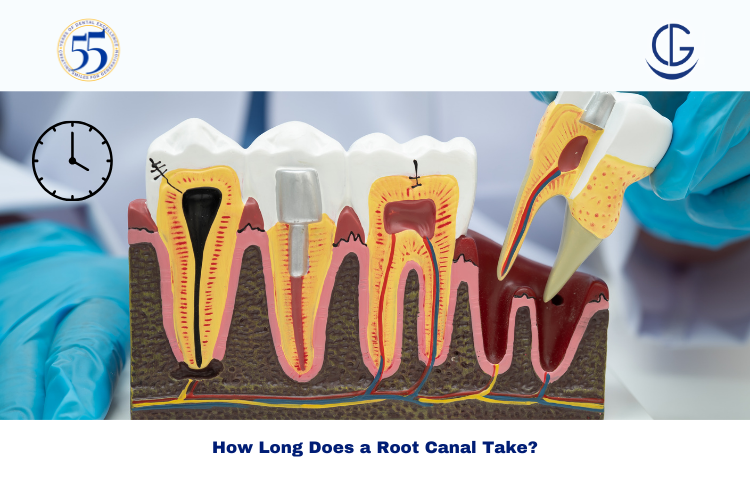
Root canal recovery time is one of the first questions patients ask when they’re dealing with tooth pain and considering treatment. If you’re in Hyderabad and trying to plan your appointment, meals, work schedule, and follow-ups, this guide will give you a clear, realistic picture—how long a root canal usually takes, what happens during the procedure, and what recovery looks like day by day.
At Dr Gowds Dental Hospitals, we handle root canal treatments daily with a focus on comfort, precision, and long-term tooth preservation—so you don’t have to live with ongoing pain or delay care until it becomes an emergency.
If you’re dealing with tooth pain, sensitivity, or swelling, don’t wait. Book a consultation at Dr Gowds Dental Hospitals to get an expert evaluation and the right treatment plan.
A root canal isn’t “one-size-fits-all.” The duration depends on what the dentist finds inside the tooth and how complex the tooth anatomy is.
Common factors that affect timing include:
Patients often assume the procedure will take several hours, but in many cases, it’s manageable in one or two appointments.
For most patients, root canal duration looks like this:
A root canal is done to remove infected or inflamed tissue inside the tooth (pulp), disinfect the canals, and seal them to prevent reinfection.
Your dentist checks:
Most people are surprised by this: with proper anesthesia, a root canal is often no more uncomfortable than a filling.
This keeps the tooth dry and reduces contamination—important for successful outcomes.
The dentist removes infected pulp and shapes canals for sealing.
Special solutions disinfect bacteria inside microscopic spaces.
The canals are sealed with a biocompatible material to prevent reinfection.
Depending on infection, a temporary filling may be placed first.
Many root canal-treated teeth need a crown later to prevent fracture.
Root canal recovery time is usually short, but it’s normal to experience mild discomfort for a few days—especially if the tooth had deep infection.
You may notice:
What helps:
This is the period when many patients ask about pain after root canal. It may feel sore when chewing, particularly if the tooth was heavily infected.
Normal signs:
Not normal:
Most patients feel significantly better. If discomfort persists beyond a week, your dentist may check the bite or look for lingering infection.
Yes—pain after root canal can happen, but it’s typically manageable and temporary.
For most people:
If pain is increasing rather than reducing, it needs evaluation.
Use these root canal aftercare tips to reduce discomfort and improve outcomes:
Eating after a root canal depends on whether your tooth is numb, and whether you have a temporary or permanent filling.
It’s rare, but reinfection can happen—especially if the infection was advanced or the tooth is left uncovered for too long.
Watch for signs of root canal infection such as:
If you notice these, seek evaluation quickly rather than self-medicating.
If you have tooth pain, swelling, sensitivity, or discomfort while chewing, don’t delay treatment. Book a consultation at Dr Gowds Dental Hospitals and visit your nearest branch in Gachibowli, Madhapur, Koti, Nanakramguda. Get clarity on your diagnosis, a comfortable treatment plan, and guidance for faster recovery.
Most patients feel noticeably better in 2–3 days, with complete comfort typically within a week, depending on infection severity.
Yes, mild tenderness or soreness is common for a few days. Pain should steadily reduce. If it worsens, get it checked.
For most people, discomfort lasts 2–7 days. Persistent or severe pain needs evaluation.
Some bite tenderness, mild sensitivity, and a temporary filling (in some cases). Your dentist will guide you about crown placement and follow-ups.
Swelling, pus, fever, worsening throbbing pain, or a gum boil are common warning signs. Early check-ups prevent complications.



 Gachibowli Branch