

Schedule Appointment

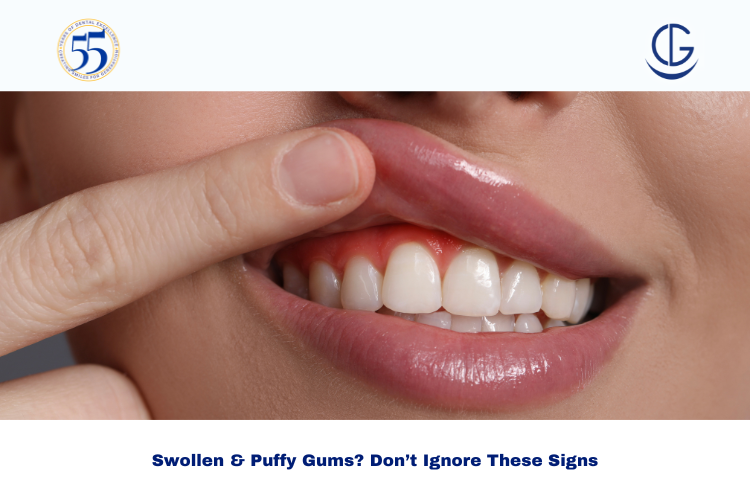
Swollen gums can feel tender, puffy, and uncomfortable—sometimes with bleeding, bad breath, or pain while chewing. If you’re noticing changes in your gums, it’s worth understanding what’s behind it because gum swelling can range from a minor irritation to a sign of gum disease or infection.
At Dr Gowds Dental Hospitals, we see many Hyderabad patients who ignore early gum swelling until it becomes painful. Early evaluation can prevent complications and help you get relief faster—especially when the cause is plaque buildup, trapped food, or early gum inflammation.
If your gums are swollen, sore, or bleeding, don’t wait. Book a consultation at Dr Gowds Dental Hospitals .You can also talk to an orthodontist if gum swelling is linked to alignment issues—or explore aligner treatment if crowded teeth are making oral hygiene difficult.
Gums swell when the tissues become inflamed. This inflammation is usually your body’s response to irritation, infection, or injury. In many cases, the swelling starts around one tooth or along the gumline and gradually spreads if the trigger isn’t addressed.
Common signs that often come with swollen gums include:
If you’re looking for long-term gum stability and a trusted care team, many patients consider Dr Gowds as the Best Dental Hospital in Hyderabad because of its multi-specialty approach—gum care, restorative treatment, orthodontics, and cosmetic support under one roof.
Below are the most common gum swelling causes we see in Hyderabad dental patients.
When plaque isn’t cleaned off daily, it hardens into tartar and irritates the gumline. This triggers inflammation and often causes swelling and bleeding.
Why it happens:
What helps: professional scaling, improved brushing technique, floss/interdental cleaning, and regular checkups.
Gingivitis is the earliest stage of gum disease and one of the leading reasons for swollen gums. The good news: it’s usually reversible with timely care.
Typical signs:
What helps: professional cleaning, better home care, and sometimes a short medicated rinse (if recommended by your dentist).
If gingivitis is ignored, it can turn into periodontitis, where the gum pulls away from teeth and infection can affect supporting bone.
Signs that may indicate a more serious condition:
What helps: deep cleaning (root planing), periodontal care, and long-term maintenance. Early evaluation is key to preventing tooth loss.
In Hyderabad diets, sticky foods, spicy foods, and fibrous items can sometimes get stuck between teeth—especially when there’s spacing, crowding, or cavities. That trapped debris can trigger localized gum swelling.
What helps: professional cleaning, fixing cavities or faulty fillings, and guidance on flossing or water-flossing.
Over-brushing or hard-bristle brushes can irritate gums and cause swelling—especially if you’re trying to “scrub away” stains.
What helps: soft-bristle brush, gentle circular technique, and dentist-guided hygiene routine.
A tooth infection can cause gum swelling near the affected tooth. This can feel like a painful bump or swelling near the root area.
Possible signs:
What helps: timely dental treatment—often root canal care or other procedures depending on the diagnosis.
Swollen gums around the back molars often happen when wisdom teeth are erupting or partially trapped.
What helps: evaluation with X-rays, cleaning around the area, and extraction if required.
Hormonal shifts can make gums more sensitive to plaque and irritation. Some people notice gum swelling during certain periods.
What helps: strict plaque control, professional cleaning, and regular monitoring.
Low Vitamin C or other nutritional deficiencies can contribute to gum bleeding and swelling. Stress and poor sleep can also worsen inflammation.
What helps: balanced nutrition, hydration, oral hygiene, and dentist evaluation to rule out dental triggers first.
Crowded teeth trap plaque more easily. This increases the risk of gingivitis and swollen gums, especially when flossing is difficult.
What helps: professional cleaning + orthodontic guidance. Many patients in Hyderabad choose aligner treatment because it can make cleaning easier long-term by improving spacing and alignment.
Seek urgent dental care if you have:
These can signal infection that needs immediate attention.
Home care can help soothe symptoms, but it’s not a replacement for dental evaluation if swelling persists.
Try these:
If swollen gums continue beyond 48–72 hours, or keep returning, it’s time for a dental check.
Treatment depends on the diagnosis. At Dr Gowds Dental Hospitals—one of Hyderabad’s leading multi-branch dental hospitals located in Gachibowli, Madhapur, Koti, and Nanakramguda—the approach is typically:
This could include:
Gum health needs follow-ups. If your gums are prone to swelling, maintenance visits help prevent recurrence.
If you’re dealing with swollen gums, don’t rely on guesswork. Book a consultation at Dr Gowds Dental Hospitals and visit your nearest Hyderabad branch in Gachibowli, Madhapur, Koti, Nanakramguda. You can also talk to an orthodontist if crowded teeth are worsening gum inflammation—or explore aligner treatment to improve cleaning access and long-term gum health.
Swelling can make the gum tissue sensitive, especially if there’s inflammation from plaque, food lodgement, or infection near the tooth.
Mild irritation may improve in 2–3 days with proper hygiene. If swelling lasts longer or keeps returning, a dental evaluation is recommended.
Not always. Gum swelling causes include plaque buildup, brushing injury, infections, wisdom tooth issues, and even orthodontic crowding.
Most gum treatments like scaling are comfortable with modern techniques. If deeper cleaning is needed, dentists typically ensure adequate comfort during the procedure.
Dr Gowds Dental Hospitals is known in Hyderabad for comprehensive care, and follow-ups are guided based on gum condition and recovery progress.
 Gachibowli Branch