

Schedule Appointment


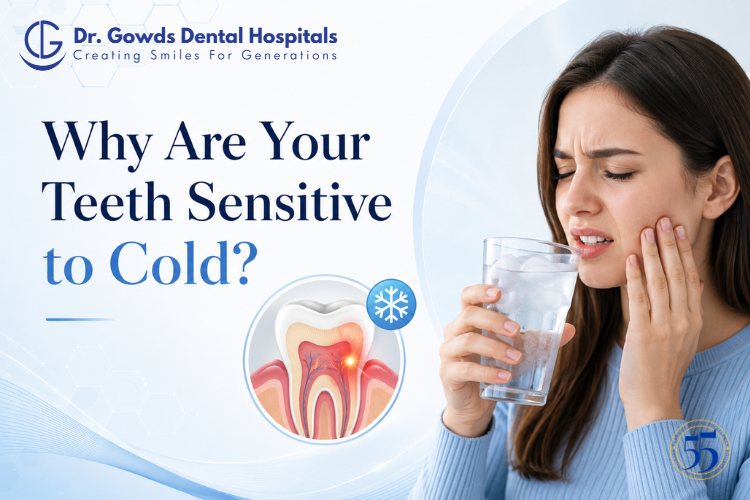
Tooth sensitivity to cold occurs when the protective enamel wears down or the tooth root becomes exposed, allowing cold temperatures to stimulate the sensitive inner layer of the tooth called dentin. Common causes include enamel erosion, gum recession, cavities, cracked teeth, worn fillings, teeth grinding, recent dental procedures, and gum disease. While occasional sensitivity may be temporary, persistent or severe discomfort should be evaluated by a dentist to identify the underlying cause and provide appropriate treatment.
At Dr. Gowds Dental Hospitals, our dental specialists use advanced diagnostic technology to determine the exact cause of tooth sensitivity to cold and recommend personalized treatments that relieve discomfort while protecting your long-term oral health.
Tooth sensitivity to cold is a sharp, sudden pain or discomfort that occurs when your teeth come into contact with cold foods, drinks, or air.
Many people notice discomfort while drinking:
The pain may last only a few seconds or continue for several minutes, depending on the cause.
Although occasional sensitivity is common, persistent sensitivity should never be ignored because it may indicate an underlying dental problem.
Healthy teeth are protected by a hard outer layer called enamel.
Beneath the enamel lies dentin, which contains thousands of microscopic tubules connected to the tooth’s nerve.
When enamel becomes thin or the tooth root becomes exposed, cold temperatures travel through these tiny tubules and stimulate the nerve inside the tooth, causing pain.
Understanding the cause of tooth sensitivity to cold is the first step toward effective treatment.
Several dental conditions can trigger tooth sensitivity to cold.
Enamel protects your teeth from external temperature changes.
Over time, enamel may wear away because of:
Once enamel becomes thinner, the underlying dentin becomes exposed, increasing sensitivity.
Healthy gums cover and protect the tooth roots.
When gums recede due to gum disease, aging, or aggressive brushing, the root surface becomes exposed.
Unlike enamel, tooth roots are covered by cementum, which wears away more easily.
Exposed roots are one of the most common causes of tooth sensitivity to cold.
A cavity creates openings in the enamel that allow cold temperatures to reach the inner layers of the tooth.
As decay progresses, sensitivity often becomes more intense and may eventually develop into persistent toothache.
Early treatment prevents further damage.
Small cracks may not always be visible.
However, they allow cold liquids and air to reach the sensitive inner tooth structure.
Cracked teeth often cause pain when:
Prompt diagnosis helps prevent larger fractures.
Old fillings may develop small gaps or cracks over time.
These openings allow bacteria, food particles, and cold temperatures to reach sensitive areas beneath the restoration.
Replacing damaged fillings often eliminates the sensitivity.
Grinding your teeth while sleeping gradually wears away enamel.
This continuous pressure may also create microscopic cracks that increase sensitivity.
Many people are unaware they grind their teeth until symptoms appear.
Temporary tooth sensitivity to cold is common after:
In most cases, the sensitivity improves within a few days or weeks as the tooth recovers.
Inflamed gums may pull away from the teeth, exposing sensitive root surfaces.
Advanced gum disease also damages the supporting bone around the teeth, increasing the likelihood of persistent sensitivity.
Treating the gum disease often improves symptoms.
Although less common, tooth sensitivity to cold may also result from:
A dental examination helps identify the exact cause.
Treatment depends on the cause of the sensitivity.
Special toothpaste formulated for sensitive teeth blocks microscopic tubules in dentin and reduces nerve stimulation.
Consistent use often provides noticeable relief within a few weeks.
Professional fluoride applications strengthen enamel and reduce sensitivity.
These treatments are especially effective for early enamel erosion.
If cavities or damaged fillings are responsible, replacing or restoring the affected tooth usually resolves the problem.
Composite bonding can cover exposed root surfaces and protect sensitive dentin.
Professional scaling and root planing help treat gum disease, reduce inflammation, and prevent further gum recession.
Patients who grind their teeth may benefit from custom-made night guards that protect enamel during sleep.
If sensitivity progresses to severe or lingering pain due to irreversible nerve damage, root canal treatment may be necessary to eliminate infection and preserve the tooth.
Although professional treatment is often necessary, these habits can help reduce discomfort.
Use a soft-bristled toothbrush and avoid aggressive scrubbing.
Gentle circular motions help protect enamel and gums.
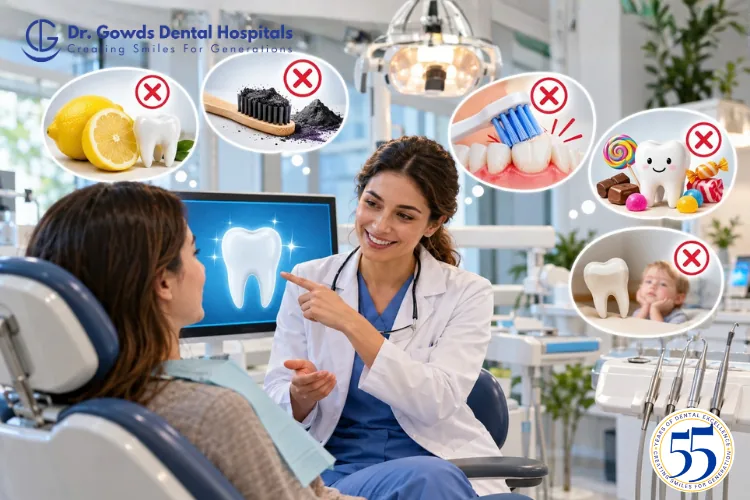
Limit:
These can accelerate enamel erosion.
Choose toothpaste specifically formulated for sensitive teeth.
Avoid switching brands too frequently, as regular use is needed for best results.
If you frequently wake with jaw pain or headaches, consult your dentist about possible bruxism.
Brush twice daily and floss every day to reduce plaque buildup and prevent gum disease.
Tooth sensitivity to cold is one of the most common dental complaints, but it should never be dismissed as a normal part of aging. Whether the discomfort is caused by enamel erosion, gum recession, cavities, cracked teeth, or worn restorations, identifying the underlying cause is essential for effective treatment.
Many cases respond well to simple measures such as desensitizing toothpaste or fluoride therapy, while others require restorative dental care. Seeking professional evaluation early can prevent further damage and help you enjoy your favorite foods and drinks without pain.
If cold foods or beverages regularly cause discomfort, schedule an appointment with the experienced team at Dr. Gowds Dental Hospitals for a thorough assessment and personalized treatment plan.
Visit us at-
Dr gowds dental hospital Nanakramguda
Dr gowds dental hospital Gachibowli
Dr gowds dental hospital madhapur
The most common reason is exposed dentin caused by enamel erosion, gum recession, cavities, or worn fillings. Cold temperatures stimulate the tooth’s nerve, leading to pain.
Temporary sensitivity after dental procedures may improve within a few days or weeks. Persistent sensitivity usually requires professional evaluation and treatment.
It can be. Cavities are one possible cause of cold sensitivity, but gum recession, enamel wear, cracked teeth, and teeth grinding can also contribute.
Treatment depends on the underlying cause and may include desensitizing toothpaste, fluoride treatments, dental fillings, bonding, gum therapy, night guards, or root canal treatment in severe cases.
You should see a dentist if sensitivity is severe, lasts more than a few days, worsens over time, or is accompanied by swelling, persistent tooth pain, or visible damage to the tooth.

 Gachibowli Branch