

Schedule Appointment


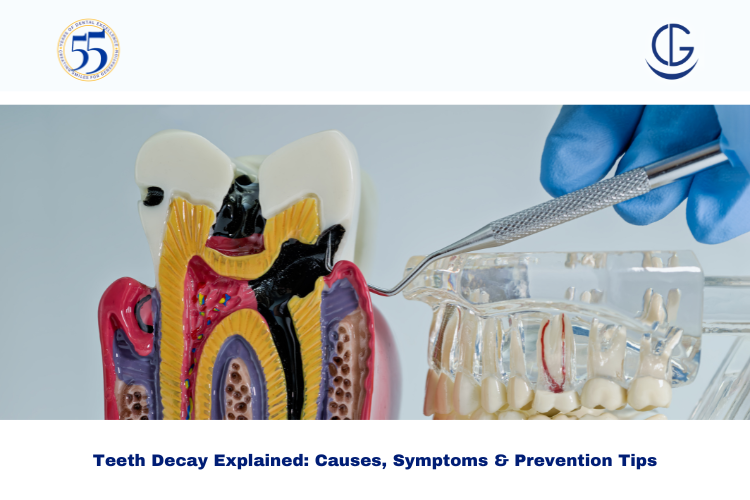
Teeth decay, also known as dental caries or tooth decay, is a prevalent dental issue affecting millions of people worldwide. It starts when harmful bacteria in the mouth produce acids that damage the hard outer layer of your teeth, eventually leading to cavities and even tooth loss if left untreated. Teeth decay is preventable with proper oral hygiene and timely intervention. At Dr. Gowds Dental Hospitals, one of Hyderabad’s leading multi-branch dental hospitals, we help patients understand the causes, symptoms, and early signs of tooth decay to ensure better oral health.
If you’re noticing discomfort in your teeth, or if you’ve observed any changes in your smile, it’s crucial to consult with an experienced dentist at the Best Dental Hospital in Hyderabad. This blog will help you understand the stages of tooth decay, its causes, and the early signs to watch out for.
Teeth decay refers to the damage that occurs to the structure of a tooth, caused primarily by acids produced by bacteria that feed on sugars. Over time, this process weakens the enamel, the outer protective layer of the tooth, and leads to the formation of cavities. If left untreated, it can progress to deeper layers of the tooth, causing pain, infection, and even tooth loss.
Understanding the root causes of teeth decay is essential for prevention. Here are the primary reasons why teeth decay happens:
The human mouth is home to a variety of bacteria, some of which feed on sugars from food and drinks. These bacteria produce acid that gradually erodes the enamel, causing cavities and decay.
Inadequate brushing and flossing allow food particles and plaque to remain on your teeth. This plaque, a sticky film of bacteria, hardens over time, contributing to the decay process.
A diet rich in sugary foods and beverages provides the bacteria in your mouth with the fuel they need to produce acids. This makes the teeth more susceptible to decay.
Saliva plays a crucial role in neutralizing acids and washing away food particles. A dry mouth, whether due to medication, a medical condition, or dehydration, increases the risk of tooth decay.
Sometimes, dental work like fillings or crowns can weaken over time, creating a space where bacteria can accumulate, leading to decay beneath the restoration.
If you’re wondering whether your teeth are at risk of decay, here are common symptoms to look for:
Sensitivity to hot, cold, or sweet foods is often one of the first signs of decay, indicating that the enamel has started to break down.
A persistent toothache, especially when chewing or biting, can signal that decay has reached deeper layers of the tooth.
As tooth decay progresses, you may notice visible holes or pits in your teeth. These cavities are a direct result of the bacteria’s damaging effects.
A tooth that appears darker or has white, brown, or black spots is an indicator of decay. The color change is due to the acids affecting the enamel.
Bacteria buildup due to tooth decay can lead to persistent bad breath (halitosis) or a bad taste in the mouth.
Teeth decay occurs in stages. Understanding these stages can help you catch the problem early and seek appropriate treatment.
The first stage of decay begins when acids from bacteria break down the enamel, leading to the loss of minerals in the tooth surface. This stage can often be reversed with fluoride treatment.
At this stage, the enamel is damaged, and the decay forms a small hole. This is when most people experience tooth sensitivity.
If left untreated, decay reaches the dentin, the second layer beneath the enamel. At this point, the cavity may become more pronounced, and pain is more likely.
The final stage of tooth decay involves infection in the pulp, the innermost layer of the tooth containing nerves and blood vessels. This stage can lead to severe pain and requires more extensive treatment, such as a root canal.
Prevention is always better than cure, especially when it comes to tooth decay. Here are some effective tips to protect your teeth:
Brush your teeth twice a day using fluoride toothpaste. This helps remove plaque and bacteria that contribute to decay.
Flossing helps remove food particles and plaque from between your teeth, preventing bacteria from building up.
Reduce your intake of sugary snacks and beverages, as they fuel the bacteria that cause tooth decay.
Regular visits to a dentist, such as at Dr. Gowds Dental Hospitals, allow for early detection of decay and timely interventions.
An antimicrobial mouthwash can help reduce bacteria in the mouth, reducing the risk of tooth decay.
Staying hydrated helps maintain saliva production, which is essential for neutralizing acids and protecting your teeth.
If you notice any signs of teeth decay, such as tooth sensitivity, visible holes, or persistent pain, it’s crucial to seek treatment from an expert. At Dr. Gowds Dental Hospitals, our experienced dentists specialize in diagnosing and treating dental caries at all stages. Don’t wait until the pain becomes unbearable or the decay worsens — early intervention is key to preserving your teeth.
Teeth decay is a common dental issue that can lead to serious oral health problems if not addressed early. By understanding its causes, symptoms, and stages, you can take proactive steps to maintain healthy teeth. At Dr. Gowds Dental Hospitals, we offer comprehensive treatments for tooth decay and provide expert care to prevent further damage. Visit one of our locations in Gachibowli, Madhapur, Koti, Nanakramguda. and consult with our skilled dentists to ensure your smile remains healthy and bright.
Don’t wait until the pain worsens — schedule an appointment at Dr. Gowds Dental Hospitals for a personalized treatment plan. Our expert team will provide you with the best care for your teeth decay needs.
The primary cause of tooth decay is the accumulation of plaque on teeth. This plaque consists of bacteria that feed on sugar, producing acid that weakens the enamel.
Regular brushing, flossing, and visiting your dentist for checkups can prevent decay from spreading. Early-stage decay can often be reversed with fluoride treatment.
Yes, if untreated, tooth decay can lead to severe tooth pain, infection, and eventually tooth loss. Early treatment is crucial to avoid complications.
In the early stages, dental caries may be treated with fluoride or remineralization techniques to restore the tooth before a filling is necessary.
The process of tooth decay varies from person to person, but it typically takes several months to a few years for decay to reach the pulp, depending on the severity and how well the teeth are maintained.
 Gachibowli Branch