

Schedule Appointment

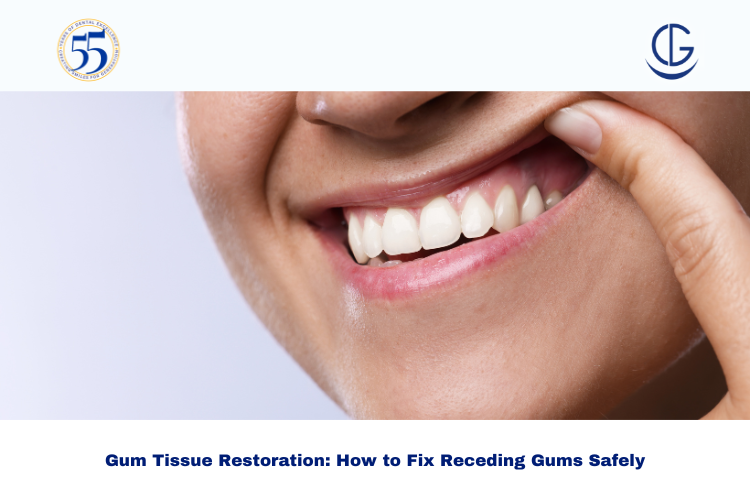
Gum tissue restoration is a focused dental approach used to repair or rebuild gum support around teeth to improve comfort, function, and appearance. When gums start pulling back or become uneven due to inflammation, trauma, or long-term oral health concerns, the right plan can help restore stability and reduce future risk.
At Dr Gowds Dental Hospitals, we routinely evaluate gum concerns using a step-by-step approach that prioritizes safety, comfort, and long-term outcomes. If you are searching for the Best Dental Hospital in Hyderabad for gum-related dental care, this guide will help you understand what gum tissue restoration means, who may need it, and what the treatment journey typically looks like.
If you’ve noticed gum recession, sensitivity, bleeding, or uneven gums, book a consultation at Dr Gowds Dental Hospitals today.
Gum tissue restoration refers to treatments designed to improve gum health and rebuild gum coverage or gum contour where it has reduced over time. This can be done for functional reasons (like reducing tooth sensitivity and protecting roots) and cosmetic reasons (like improving gum symmetry and smile appearance).
Many patients delay gum care because gum recession can start quietly. But early evaluation often makes treatment simpler and recovery smoother.
Gum tissue can reduce for multiple reasons. The key is identifying why it happened so your plan doesn’t just restore gum tissue temporarily, but also prevents recurrence.
You may benefit from gum repair treatment if you notice:
If you’re in Hyderabad and any of the above feels familiar, it’s worth getting checked early—especially before orthodontic or aligner treatment.
Gum tissue restoration is not one single procedure. Treatment depends on how much tissue has reduced, whether gum disease is present, and whether the concern is functional, cosmetic, or both.
If tissue breakdown is driven by plaque and inflammation, treatment often starts with professional cleaning below the gumline.
May include:
This step is often essential even if a gum procedure is planned later.
Gum grafting is a common method used to rebuild coverage in areas of recession. It can reduce sensitivity and protect tooth roots.
Common graft types (case-based):
Your dentist will suggest what fits your gum thickness, recession type, and smile zone visibility.
If the issue is mainly uneven gumline, contouring may be used to improve balance. This is different from grafting because it focuses on shape and symmetry.
If there is active gum disease, the priority is to control infection and stabilize gum support. Restoring gum tissue without addressing the cause can lead to repeat issues.
In some cases, crowding or bite issues contribute to gum stress. A combined plan may include gum care plus orthodontic correction to reduce uneven forces.
A proper gum tissue restoration consultation should not be rushed. It needs diagnosis, measurement, and clarity on options.
At Dr Gowds Dental Hospitals, your evaluation may include:
You’ll receive a plan that explains:
Recovery depends on the treatment type. Deep cleaning has a shorter recovery. Grafting needs more careful aftercare.
Your exact timeline depends on severity, gum type, and home care consistency.
Patients usually want two things: trustworthy specialists and predictable outcomes.
Dr Gowds Dental Hospitals is one of Hyderabad’s leading multi-branch dental hospitals located in Gachibowli, Madhapur, Koti, Nanakramguda, offering coordinated care across specialties—so your gum plan can align with orthodontics, restorative needs, and smile goals.
If you’re comparing options for the Best Dental Hospital in Hyderabad, look for:
Many Hyderabad patients ask this because they want straighter teeth and healthier gums.
A safe approach is:
This reduces risk and improves long-term stability—especially for patients with recession or thin gum tissue.
Most patients describe it as manageable. Comfort depends on the procedure type and your sensitivity level. Your dentist will guide pain control and aftercare.
In most cases, gum tissue does not fully grow back on its own once it recedes. The goal is to stop progression and restore gum tissue using the right treatment plan.
If recession is significant, sensitivity is high, or the root surface is exposed, grafting may be recommended. A proper gum exam and measurements confirm this.
Deep cleaning recovery is usually quick. If grafting is needed, initial healing can take a few weeks, with continued improvement over time.
Sometimes yes, but only after a gum evaluation. If gums are unstable or inflamed, treatment is usually delayed until gum health is stabilized for safe orthodontic movement.
 Gachibowli Branch