

Schedule Appointment

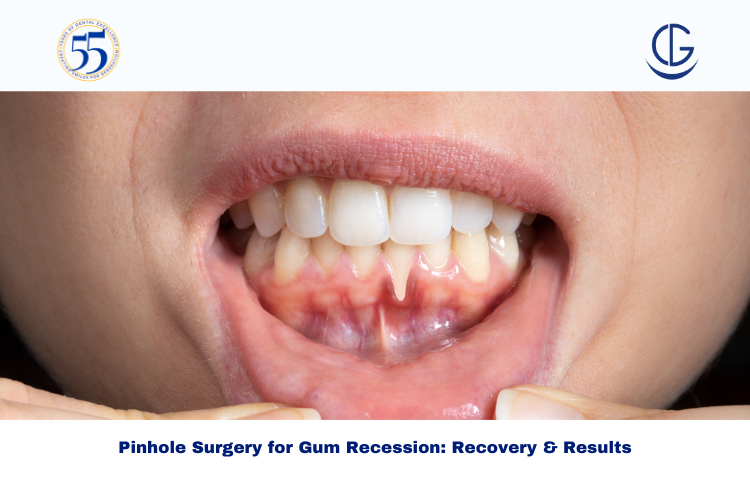
Pinhole surgery for gum recession is a modern, minimally invasive option that helps reposition gum tissue without the typical cutting-and-stitching approach used in many traditional procedures. If your teeth look “longer,” you feel sensitivity while drinking hot/cold beverages, or you’ve noticed gum lines pulling back, gum recession may be progressing—and early treatment matters.
At Dr Gowds Dental Hospitals, we see many patients across Hyderabad who want an effective solution with less downtime and a more comfortable post-treatment experience. As the Best Dental Hospital in Hyderabad for comprehensive dental care, our team focuses on careful diagnosis, evidence-based treatment planning, and patient-friendly guidance—so you understand what’s happening and what your best options are.
If you’re noticing gum recession, don’t wait for sensitivity and tooth wear to get worse.
Gum recession happens when the gum tissue pulls away from the tooth, exposing more tooth surface or even the root. It’s common, but it’s not something to ignore—because exposed roots can lead to:
Gum recession can have multiple triggers, including:
The pinhole surgical technique (often called PST) is designed to treat gum recession by gently loosening and repositioning the existing gum tissue—without taking a graft from another area in many cases.
Instead of making large incisions, the dentist creates a tiny access point (“pinhole”) in the gum tissue. Through this, special instruments are used to guide the gum tissue over the exposed root. In selected cases, collagen-based material may be placed to help stabilize the new position and support healing.
Compared to more invasive options, minimally invasive gum surgery like pinhole can offer:
That said—this is not a “one-size-fits-all” procedure. The success depends on recession type, gum thickness, oral hygiene, bite forces, and the dentist’s clinical assessment.
Pinhole gum surgery can be a strong option for many mild to moderate recession cases. At Dr Gowds Dental Hospitals in Hyderabad, we evaluate candidacy after a detailed gum exam.
This is why a clinical evaluation matters more than online self-diagnosis—even if your symptoms “sound similar.”
A common question is pinhole surgery vs gum graft—which is better?
A gum graft typically involves taking tissue from the palate (roof of the mouth) or using donor material, then stitching it to the recession site. It can be very effective, especially for advanced cases—but it may include:
The pinhole approach aims to reposition existing tissue, often with less discomfort and quicker early recovery—when case selection is appropriate.
Key point: Gum grafting is still the gold standard for some recession patterns and severe cases. Pinhole can be excellent for many patients—but only when your gum type and recession type match the technique’s strengths.
Patients often ask: does pinhole surgery work long-term?
In the right cases, pinhole-based gum tissue repositioning can produce meaningful root coverage and reduce sensitivity. However, outcomes depend on:
At Dr Gowds Dental Hospitals, we don’t oversimplify this into “guaranteed results.” Instead, we plan for predictable outcomes and long-term gum stability.
While exact steps vary based on your case, here’s the typical flow:
We decide whether pinhole is appropriate or whether other gum recession treatment options are better (deep cleaning, graft, orthodontic alignment support, etc.).
Healing is reviewed, hygiene is reinforced, and bite or brushing habits are corrected to prevent recurrence.
Pinhole surgery recovery is often smoother than traditional grafting for many patients, but recovery still needs care.
If you clench or grind your teeth, we may recommend a night guard—because uncontrolled bite stress can undo improvements.
Not every recession case needs surgery immediately. Depending on cause and severity, receding gums treatment may include:
Often, the best results come from combining gum treatment with fixing the root cause.
Gum recession is both a health and aesthetics issue. Treating it well requires correct diagnosis, careful technique, and good follow-up—not just a “quick procedure.”
Dr Gowds Dental Hospitals is one of Hyderabad’s leading multi-branch dental hospitals located in Gachibowli, Madhapur, Koti, Nanakramguda, known for specialist-driven care and modern treatment planning. If your case also involves bite alignment or crowded teeth, you can talk to our orthodontist about whether orthodontics or aligner treatment can support long-term gum stability.
Most patients report minimal discomfort because local anesthesia is used. Mild soreness or tightness may occur for a few days, but it’s often less than traditional graft procedures.
Early recovery is usually a few days, but gum stabilization continues for weeks. Following post-care instructions and follow-up visits improves long-term results.
No. It works best for selected mild to moderate recession cases with suitable gum tissue. Severe recession or bone loss may require other options like grafting.
They can if the root cause remains—like aggressive brushing, gum disease, or teeth grinding. Long-term maintenance and habit correction are critical.
In many cases, yes—but only after a gum health evaluation. Sometimes aligners can support better bite balance, but treatment must be planned carefully to protect gums.
 Gachibowli Branch