

Schedule Appointment


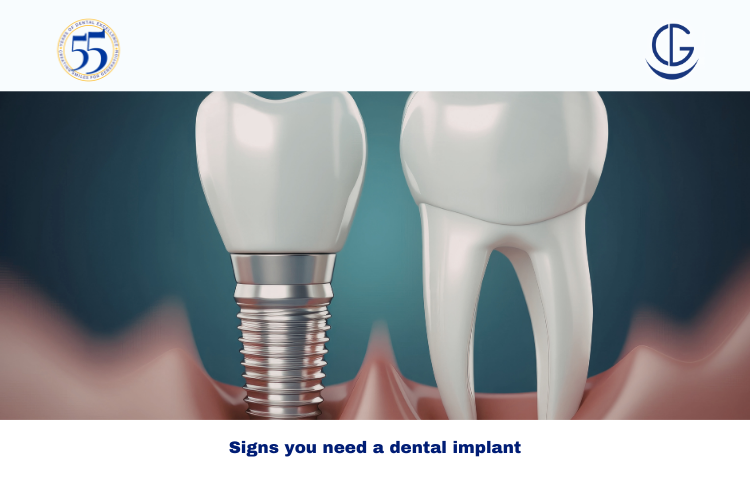
Signs you need a dental implant can sometimes appear gradually—such as missing teeth, difficulty chewing, or jawbone changes that affect your smile and oral health. Recognizing these early warning signs can help you take timely action and avoid long-term dental complications.
At Dr Gowds Dental Hospitals, patients receive advanced dental implant care designed to restore both function and confidence. If you are experiencing tooth loss or discomfort, a professional evaluation can determine whether dental implants are the right solution.
Concerned about missing or damaged teeth? Schedule a consultation at Dr Gowds Dental Hospitals to explore safe and long-lasting implant solutions.
Ignoring tooth loss or severe tooth damage can lead to additional dental problems such as:
Identifying the signs you need a dental implant early allows dentists to restore oral health and prevent complications.
Below are some of the most common indicators that a dental implant may be the right treatment option.
The most obvious of the signs you need a dental implant is a missing tooth.
When a tooth is lost and not replaced:
Dental implants replace the missing root and crown, restoring stability and function.
If chewing certain foods has become uncomfortable or difficult, it may indicate tooth loss or structural damage.
Common symptoms include:
Dental implants restore full chewing strength and allow patients to eat comfortably again.
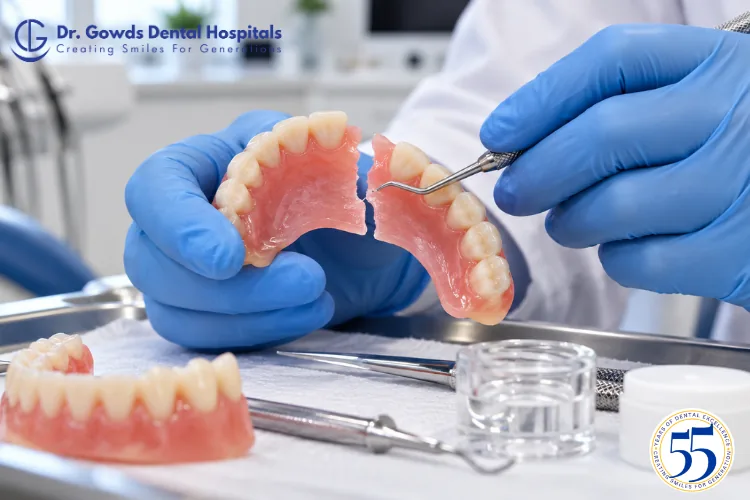
Patients who wear dentures often experience problems such as:
Implant-supported restorations provide improved stability compared to removable dentures.
Another key indicator among the signs you need a dental implant is jawbone deterioration.
When a tooth is missing, the jawbone underneath it no longer receives stimulation, causing bone loss.
Signs may include:
Dental implants help stimulate the jawbone and prevent further bone loss.
Sometimes a tooth is damaged beyond repair and cannot be restored with fillings or crowns.
Severe tooth damage may include:
In such cases, removing the damaged tooth and replacing it with a dental implant can restore oral function.
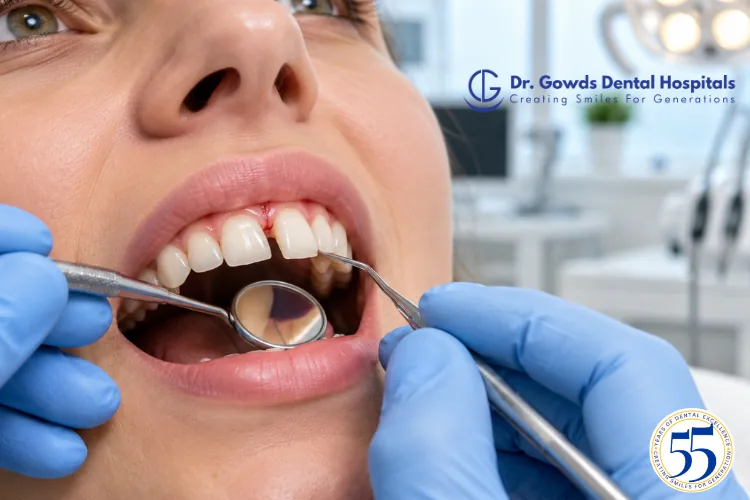
Persistent infections or abscesses may indicate a tooth that cannot be saved.
Symptoms can include:
Replacing the infected tooth with a dental implant eliminates the infection source and restores oral health.
Many patients choose implants because they want a permanent solution rather than temporary restorations.
Dental implants offer:
For patients seeking reliable tooth replacement, implants are often the most effective option.
Understanding the treatment process can help patients feel more confident about dental implants.
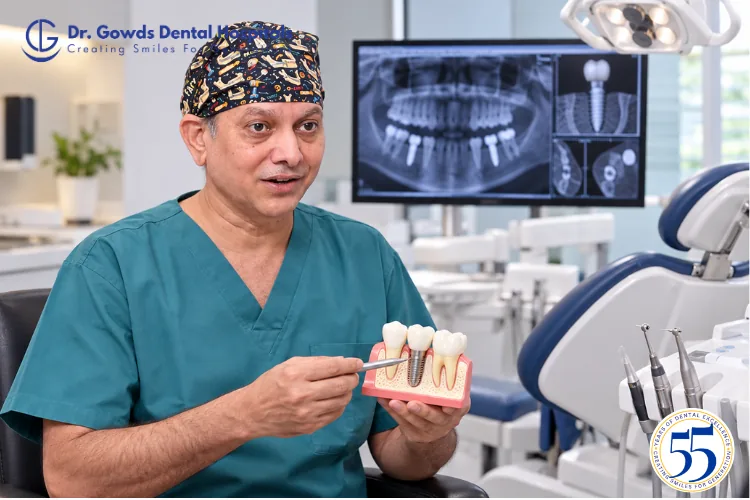
Your dentist evaluates oral health using digital scans or X-rays to determine implant suitability.
A titanium implant post is placed into the jawbone under local anesthesia.
The implant integrates with the jawbone in a process called osseointegration, which may take several weeks.
Once healing is complete, a custom dental crown is attached to restore the tooth.
Dental implants are widely recommended because they offer several advantages compared to other tooth replacement options.
Implants look and function like natural teeth.
Patients regain normal bite strength and can eat comfortably.
With proper care, implants can last many years or even decades.
Implants stimulate the jawbone and prevent bone loss.
While implants can replace missing teeth, maintaining good oral health helps prevent tooth loss in the first place.
Follow these habits:
These practices support long-term oral health.
If you recognize any of the signs you need a dental implant, early consultation can help restore your smile and prevent future dental complications.
Visit Dr Gowds Dental Hospitals, the Best Dental Hospital in Hyderabad, and speak with experienced dental specialists about your treatment options.
Schedule your appointment today and visit the nearest branch in Gachibowli, Madhapur, Koti, Nanakramguda to begin your journey toward a healthier, confident smile.
If you have missing teeth, difficulty chewing, recurring infections, or loose dentures, these may be signs you need a dental implant.
The procedure is usually performed under local anesthesia, so discomfort during treatment is minimal. Mild soreness afterward is normal.
With proper care and regular dental checkups, dental implants can last for many years.
Yes, dental implants are a well-established and widely performed treatment when done by experienced dental specialists.
The entire process can take several months, depending on healing time and treatment planning.
 Gachibowli Branch