

Schedule Appointment

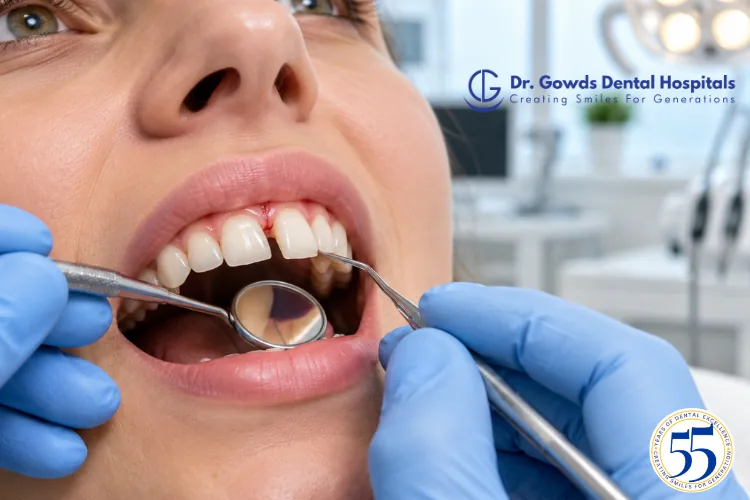
A subluxated tooth can feel alarming after a fall, sports injury, accident, or blow to the mouth. The key difference is that the tooth becomes loose but stays in its normal position. It has not been completely knocked out or visibly pushed out of place.
Even when the tooth looks intact, the tissues supporting it and the pulp inside the tooth may have been affected. A dental examination can determine whether the injury needs observation, temporary splinting, or further treatment.
At Dr Gowds Dental Hospitals in Hyderabad, a dentist can assess a loose tooth after trauma and recommend appropriate imaging and follow-up.
A subluxated tooth is abnormally mobile after trauma but has not been displaced from its socket. The injury commonly affects the periodontal ligament, which helps hold the tooth in place.
The pulp, the living tissue containing nerves and blood vessels, can also be affected. This is why a tooth that looks normal can still require monitoring.
Common signs include:
A lack of severe pain does not necessarily mean there is no injury.
| Injury | What happens |
| Concussion | The tooth is tender but not abnormally loose or displaced |
| Subluxation | The tooth is loose but remains in its normal position |
| Extrusive luxation | The tooth is partly pushed out of its socket |
| Lateral luxation | The tooth is displaced sideways |
| Intrusive luxation | The tooth is pushed deeper into the socket |
| Avulsion | The tooth is completely knocked out |
Treatment depends on the exact type and severity of the injury.
A sudden force can injure the tissues around a tooth. Common causes include:
Children and teenagers are particularly prone to dental injuries because of falls and physical activity.
A dentist will ask about the injury and examine the affected tooth and surrounding tissues.
The dentist checks how much the tooth moves compared with neighbouring teeth and whether the bite has changed.
Pulp sensibility testing may be used to assess the response of the tooth. After trauma, an early result can sometimes be inconclusive, so repeat testing may be necessary.
Dental X-rays may be recommended to look for associated root, bone, or other injuries that cannot be seen by looking at the tooth. More advanced imaging is used when clinically justified.
Treatment depends on mobility, tenderness, age, and associated injuries.
A mildly mobile tooth may need observation rather than active treatment. Your dentist may advise a soft diet temporarily and avoiding direct biting on the injured tooth.
Continue gentle oral hygiene while the supporting tissues recover.
If mobility is excessive or the tooth is particularly tender, a dentist may use a flexible splint temporarily. IADT guidelines describe flexible splinting for up to two weeks in appropriate cases of subluxation.
Do not try to tape, tie, or splint a loose tooth at home.
Not necessarily. Trauma can temporarily alter pulp sensibility tests. Root canal treatment is generally considered when follow-up shows that the pulp has become non-vital or infected, rather than simply because the tooth is loose.
If you are unsure whether a loose tooth needs a splint, root canal treatment, or observation, consult a dentist rather than self-treating the injury.
Until you receive dental advice:
If the tooth has moved from its normal position or has been completely knocked out, seek urgent dental care because these are different types of trauma.
Many mildly subluxated teeth become stable again without major treatment. However, this does not mean the injury should be ignored.
The supporting tissues may recover gradually, while changes inside the tooth can take longer to appear. Follow-up helps the dentist check mobility and monitor pulp health.
Healing varies with the severity of the injury. Tenderness and mobility often improve over the following weeks, but the tooth may need longer-term monitoring.
Follow-up timing depends on the examination findings and the tooth involved. The IADT guidelines recommend monitoring after traumatic dental injuries so delayed complications can be identified.
Possible complications include:
In children, trauma to a primary tooth can also affect the developing permanent tooth. An injured child’s tooth should therefore be assessed even when the damage appears minor.
Arrange prompt dental assessment if:
If a facial injury is accompanied by signs of a serious head injury, seek emergency medical care.
A loose tooth after an accident deserves more than a quick visual check. At Dr Gowds Dental Hospitals, Hyderabad, dental professionals can examine the injured tooth, assess its supporting tissues and pulp response, and recommend appropriate imaging and follow-up when needed.
Patients can visit the branch that is most convenient in Nanakramguda, Gachibowli, Madhapur, koti.
If you have a loose tooth after a fall, sports injury, or accident, contact Dr Gowds Dental Hospitals in Hyderabad for a dental evaluation and guidance on protecting the tooth during recovery.
A subluxated tooth is a tooth that becomes abnormally loose after trauma but remains in its normal position in the socket.
Many mild cases stabilise without major treatment, but a dental examination and follow-up are important to check the supporting tissues and pulp.
Tenderness and looseness often improve over several weeks. Healing time varies, and the tooth may need follow-up for longer than the symptoms last.
Not automatically. Root canal treatment may be needed if follow-up shows pulp necrosis or infection. Tooth mobility alone is not a reason for root canal treatment.
Only when a dentist considers it necessary. Excessive mobility or tenderness may justify a flexible splint, often for a limited period.
Yes. A fall or blow can loosen a primary tooth. Children should be assessed because trauma to a baby tooth can sometimes affect the developing permanent tooth.
See a dentist promptly after dental trauma, especially if the tooth is very loose, displaced, painful, bleeding, broken, or associated with swelling or changes in your bite.
 Gachibowli Branch