

Schedule Appointment

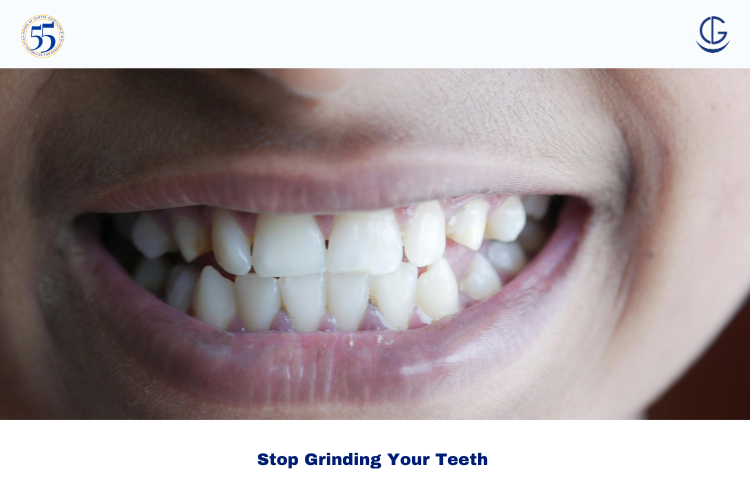
How to fix teeth grinding is one of the most common concerns among patients experiencing jaw pain, headaches, worn teeth, or nighttime clenching. Teeth grinding, also called bruxism, can slowly damage enamel, strain the jaw muscles, and affect long-term oral health if left untreated.
Medically Reviewed by: Prof. Dr. Snigdha Gowd, MDS (Orthodontics & Dentofacial Orthopaedics)
At Dr. Gowds Dental Hospital, our specialists diagnose the underlying reason for teeth grinding through bite analysis, TMJ evaluation, and dental assessment to create personalised treatment plans. Depending on the severity of the problem, treatment may include custom night guards, bite correction, orthodontics, TMJ therapy, stress management, or restorative dental procedures to protect the teeth and reduce grinding.
Many people ignore teeth grinding until visible damage begins appearing.
However, untreated bruxism may eventually lead to:
Early treatment helps prevent long-term damage and expensive restorative procedures later.
There is no single treatment that works for every patient. The best solution depends on:
A proper dental evaluation helps identify the most effective long-term treatment plan.
Custom night guards are one of the most effective treatments for sleep bruxism.
A professionally made night guard helps:
Unlike over-the-counter mouthguards, custom night guards fit accurately and are designed specifically for the patient’s bite.
Patients with moderate to severe nighttime grinding often experience significant relief after starting night guard therapy.
Many patients with bruxism also have TMJ dysfunction.
TMJ-related grinding may cause:
TMJ therapy may include:
Reducing pressure on the temporomandibular joint often helps decrease grinding intensity.
An uneven bite can place excessive stress on the jaw muscles and teeth.
If bite imbalance contributes to bruxism, treatment may involve:
Correcting bite problems helps distribute chewing forces more evenly and may reduce clenching habits.
Some patients grind their teeth because of:
Braces or clear aligners may help improve:
Orthodontic treatment is especially useful when grinding is linked to malocclusion or bite irregularities.
Stress-related bruxism is extremely common.
Many patients unconsciously clench their jaw during:
Stress reduction may significantly improve grinding symptoms.
Helpful approaches include:
Patients with stress-related grinding often notice improvement when stress levels are managed consistently.
Botox is sometimes used for severe bruxism involving excessive jaw muscle activity.
Botox treatment works by relaxing overactive jaw muscles temporarily.
This may help:
Botox is usually considered when traditional treatments alone are not providing enough relief.
Some patients already have significant damage caused by chronic bruxism.
Treatment may include:
Restoring worn teeth helps improve both function and appearance while protecting the remaining tooth structure.
Mild grinding may improve with lifestyle changes and jaw relaxation techniques.
Helpful habits include:
Natural methods work best for mild or stress-related bruxism.
Moderate to severe grinding usually requires professional treatment.
Some patients experience long-term improvement once the underlying cause is treated.
For example:
However, chronic bruxism often requires ongoing management to protect the teeth and jaw joints.
Nighttime grinding usually responds best to:
Patients with severe sleep bruxism may also require evaluation for sleep disorders such as sleep apnea.
Bruxism treatment requires more than simply protecting the teeth.
At Dr. Gowds Dental Hospital, treatment focuses on:
Each patient receives a customised treatment plan based on their symptoms, bite, and grinding severity.
If you are experiencing jaw pain, clenching, worn teeth, headaches, or nighttime grinding, the specialists at Dr. Gowds Dental Hospital can help diagnose the cause of bruxism and recommend the most effective long-term treatment plan to protect your teeth and jaw health.
Visit us at-
Dr gowds dental hospital Nanakramguda
Dr gowds dental hospital Gachibowli
Dr gowds dental hospital madhapur
The best treatment depends on the cause of bruxism. Common treatments include custom night guards, TMJ therapy, bite correction, orthodontics, stress management, and restorative dentistry for damaged teeth.
Night guards mainly protect the teeth from grinding damage and reduce jaw strain. They may not completely stop the grinding habit itself, but they significantly reduce the harmful effects of bruxism.
Yes. Braces or clear aligners may help reduce grinding when bite imbalance or crooked teeth contribute to excessive jaw pressure and clenching.
Yes. TMJ therapy may reduce jaw tension, improve bite balance, and decrease muscle strain associated with bruxism.
Botox can help relax overactive jaw muscles in severe bruxism cases, reducing clenching force and protecting the teeth from excessive wear.
Some patients notice improvement within weeks after treatment begins, especially with night guards or stress management. More complex cases involving bite correction or TMJ therapy may require longer-term treatment.
Yes. Worn, cracked, or damaged teeth caused by bruxism may often be restored with crowns, bonding, veneers, or other restorative treatments depending on the severity of damage.
 Gachibowli Branch