

Schedule Appointment


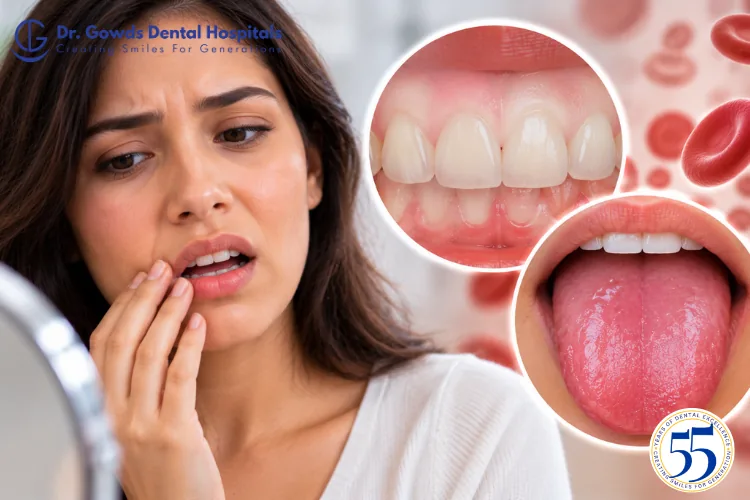
A family dental clinic can sometimes notice changes in the mouth that may point to a health problem beyond the teeth and gums. Anemia mouth symptoms, including unusually pale gums, a smooth or sore tongue, and changes in the lining of the mouth, can occasionally be among these signs.
Anaemia occurs when the blood does not have enough healthy red blood cells or haemoglobin to carry oxygen effectively around the body. Iron deficiency is a common cause, but anaemia can also be related to vitamin B12 or folate deficiency, blood loss, chronic illnesses, and other medical conditions.
At Dr Gowds Dental Hospitals, we encourage patients not to ignore persistent changes in their gums or tongue. A dental examination can help identify oral changes that need further evaluation, although only appropriate medical tests can confirm anaemia and determine its cause.
If you have noticed pale gums, a sore or unusually smooth tongue, or other unexplained changes in your mouth,
Anaemia primarily affects the blood and oxygen supply throughout the body, but some forms can also produce noticeable changes in oral tissues.
The mouth has a rich blood supply, so changes in the colour and condition of the oral tissues can sometimes become noticeable. However, these signs are not specific to anaemia. Pale gums, for example, can have several possible causes.
Depending on the type and severity of anaemia, a person may experience:
These symptoms should be considered alongside other health symptoms rather than used as a diagnosis on their own.
Healthy gums usually have a natural pink or coral colour, although normal gum colour varies between individuals.
When gums appear noticeably paler than usual, reduced haemoglobin or reduced blood flow to the tissues can sometimes be a contributing factor. Pale gums in anaemia may be more noticeable in people with significant or prolonged anaemia.
However, pale gums do not automatically mean that you have anaemia.
Other possible causes include:
If the change is new, persistent, or accompanied by fatigue, breathlessness, dizziness, or weakness, it is worth discussing it with a healthcare professional.
Glossitis means inflammation of the tongue. The tongue may become sore, swollen, tender, red, or unusually smooth.
In some nutritional deficiencies, the tiny projections on the tongue called papillae can become reduced. This may make the tongue appear smoother than usual.
Iron deficiency can affect the health of oral tissues. Some people may develop a sore or smooth tongue, although not everyone with iron deficiency experiences oral symptoms.
Vitamin B12 and folate are important for healthy red blood cell production and normal cell function. Deficiencies can be associated with tongue inflammation and other changes in the mouth.
Because glossitis has multiple possible causes, treatment should be based on the underlying reason rather than simply treating the tongue itself.
Pale gums and glossitis are not the only possible oral manifestations.
Some nutritional deficiencies may be associated with angular cheilitis, where cracks, soreness, or inflammation develop at the corners of the mouth.
A deficiency-related oral problem may sometimes cause tenderness or a burning sensation in the tongue or mouth.
Some people with nutritional deficiencies may notice changes in taste, although taste changes can also result from medications, infections, oral conditions, or other health problems.
Persistent mouth soreness without an obvious dental cause deserves an examination rather than being assumed to be a simple vitamin deficiency.
No.
This is an important distinction because many conditions can produce similar-looking oral changes. A person may have pale gums without having anaemia, while another person may have anaemia without noticeable changes in the mouth.
A dentist can identify visible oral changes and determine whether they need further investigation, but a dental examination alone cannot confirm anaemia.
If anaemia is suspected, a doctor may recommend blood tests such as a complete blood count and, depending on the situation, tests assessing iron stores, vitamin B12, folate, or other factors.
Do not ignore persistent oral changes simply because they are painless.
Consider arranging an evaluation if you notice:
If you have severe breathlessness, chest pain, fainting, significant bleeding, or rapidly worsening symptoms, seek urgent medical attention.
Not every change in the mouth is caused by a dental problem. If you have persistent gum or tongue changes, consult a dentist at Dr Gowds Dental Hospitals. A professional examination can help determine whether the changes appear dental in origin or may require medical evaluation.
Anaemia cannot be diagnosed simply by looking at your gums or tongue.
A healthcare professional may consider your symptoms, medical history, diet, medications, menstrual or other blood loss, and existing health conditions. Blood tests are generally needed to establish whether anaemia is present.
Depending on the suspected cause, evaluation may include:
The appropriate tests depend on the individual. This is why self-diagnosing based only on pale gums or a sore tongue can be misleading.
Not necessarily.
Iron supplements are useful when iron deficiency is confirmed or appropriately suspected and treatment is recommended by a healthcare professional. Taking iron without knowing the cause of anaemia is not always appropriate.
Anaemia can result from several different conditions, and treatment depends on the underlying cause.
For example, anaemia related to iron deficiency requires a different approach from anaemia caused by vitamin B12 deficiency or another medical condition.
A balanced diet is important, but persistent symptoms should not be managed through supplements alone without appropriate evaluation.
A dentist’s role is not to diagnose every medical condition, but oral examination can provide valuable information.
During an examination, a dentist may assess:
If something appears unusual or does not fit a straightforward dental condition, your dentist may recommend that you consult a physician for further investigation.
This collaborative approach can help ensure that both your oral health and overall health receive appropriate attention.
If you have been diagnosed with anaemia, continue your normal oral health routine unless your healthcare professional advises otherwise.
Helpful habits include:
Good oral hygiene does not treat anaemia, but it helps protect your teeth, gums, and mouth while the underlying health issue is being addressed.
For reliable information, patients can refer to:
These resources provide general health information. Diagnosis and treatment should be based on an individual’s clinical evaluation.
Anaemia mouth symptoms can include pale gums, a sore or smooth tongue, glossitis, and changes around the corners of the mouth. These signs may sometimes occur because of iron, vitamin B12, or folate deficiency, but they are not specific enough to diagnose anaemia by themselves.
If you notice a persistent change in your gums or tongue, do not assume the cause. A dental examination can identify oral problems and help determine whether further medical evaluation may be appropriate.
For patients in Hyderabad, Dr Gowds Dental Hospitals provides dental consultations across its Nanakramguda, Gachibowli, Madhapur, koti branches.
Have you noticed pale gums, tongue soreness, or unexplained changes inside your mouth? Book a consultation at Dr Gowds Dental Hospitals in Hyderabad and get your oral health professionally evaluated.
Common oral changes that may occur with some forms of anaemia include pale oral tissues, a sore or smooth tongue, glossitis, and cracks at the corners of the mouth. These signs are not specific to anaemia and need proper evaluation.
Yes, anaemia can sometimes make oral tissues appear paler than usual, particularly when haemoglobin levels are significantly reduced. However, pale gums have several possible causes and do not confirm anaemia.
Iron deficiency can be associated with a smooth or sore tongue in some people. A smooth tongue can also have other causes, including vitamin B12 or folate deficiency, so appropriate evaluation is important.
Glossitis is inflammation of the tongue and can occur with certain nutritional deficiencies, including iron, vitamin B12, and folate deficiency. It can also have other causes, so identifying the underlying reason is important.
A dentist may notice oral changes that can sometimes occur with anaemia, such as pale gums or tongue changes. However, a dentist cannot confirm anaemia through an oral examination alone. Blood tests are generally required.
No, pale gums alone are not enough reason to start iron supplements. Anaemia has multiple causes, and taking iron unnecessarily may not address the underlying problem. Speak with a healthcare professional about appropriate testing and treatment.
See a dentist if the change is persistent, unexplained, recurrent, or accompanied by mouth pain or other oral symptoms. If you also experience severe weakness, breathlessness, dizziness, fainting, or significant bleeding, seek medical attention promptly.
 Gachibowli Branch