

Schedule Appointment


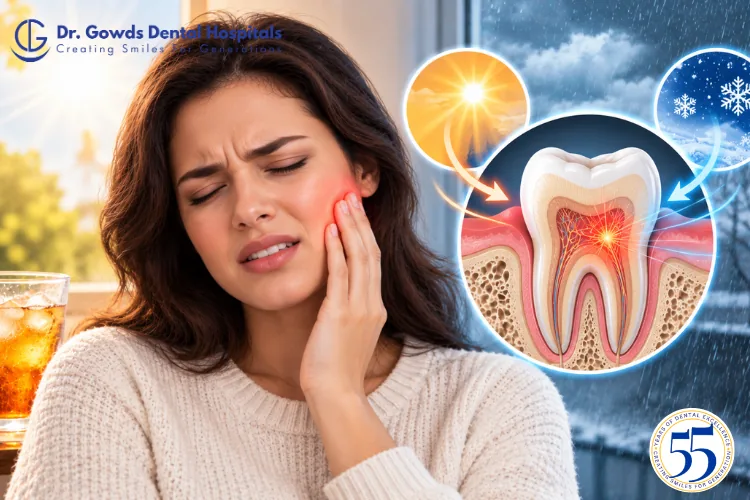
Have you ever noticed a sharp twinge in your teeth when the temperature suddenly drops, cold air hits your face, or the weather changes? You may wonder, can weather changes actually cause tooth pain?
The answer is a little more complicated than simply blaming the weather. Weather changes do not usually create a dental problem from scratch. However, they can make an existing problem feel more noticeable. Cold air, temperature shifts, changes in atmospheric pressure and even sinus pressure can sometimes trigger discomfort.
If you experience tooth pain when weather changes, understanding the possible causes can help you decide whether it is simple sensitivity or a sign that your tooth needs professional attention.
If weather changes repeatedly trigger tooth pain, consider booking an appointment at Dr Gowds Dental Hospitals in Hyderabad.
Cold air and cold drinks can trigger a quick, sharp sensation when dentin is exposed. Dentin is the layer beneath the enamel and contains microscopic tubules that connect towards the tooth nerve.
When exposed dentin is stimulated by cold, fluid movement within these tubules can activate the nerve and cause sensitivity.
This is more likely when enamel has worn down, gums have receded, or the tooth has been affected by decay, erosion or certain dental procedures. The weather may be the trigger, but the underlying dental sensitivity is usually the issue.
A change in barometric pressure is different from ordinary temperature sensitivity.
Pressure-related dental pain, known as barodontalgia, is better documented during activities such as flying or scuba diving, where pressure changes can be much greater. Some people may notice discomfort during atmospheric pressure changes, particularly if a tooth already has inflammation, decay or a restoration problem.
However, everyday weather changes should not automatically be assumed to cause damage to otherwise healthy teeth.
The roots of the upper back teeth sit close to the maxillary sinuses. When sinus tissues become inflamed or congested, pressure can sometimes be felt in several upper teeth at once.
If your toothache affects multiple upper back teeth, feels more like pressure or aching, and occurs alongside a blocked or runny nose, facial pressure or recent sinus symptoms, the source may not be the tooth itself.
This is one reason why identifying the exact location and pattern of your pain matters.
A cavity can expose or irritate deeper parts of the tooth. Cold air or cold foods may then trigger pain.
As decay progresses, pain can become more persistent and may eventually occur without an obvious trigger. The National Institute of Dental and Craniofacial Research explains how untreated tooth decay can progress and affect deeper parts of the tooth.
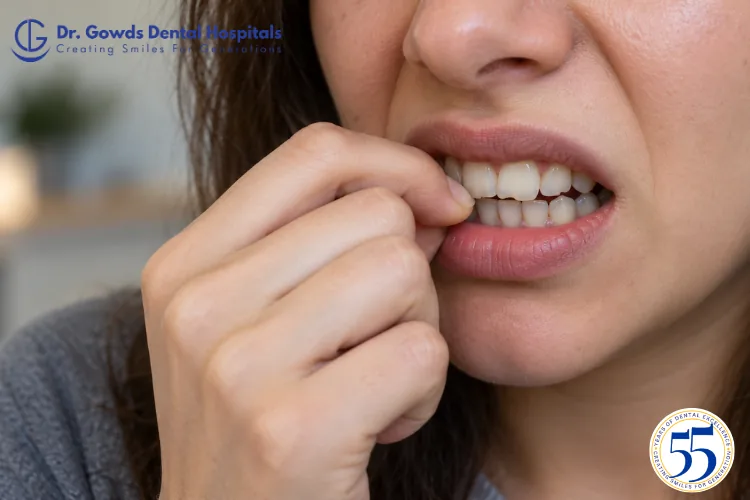
A cracked tooth can react to temperature changes and biting. The pain may be sharp, inconsistent or difficult to locate.
A crack should be assessed by a dentist because symptoms can change as the crack progresses. Avoid assuming that occasional sensitivity is harmless if it repeatedly affects the same tooth.
When gums recede, the root surface can become exposed. Unlike the crown of a tooth, the root does not have the same protective enamel covering.
As a result, cold air, cold drinks or other temperature changes can cause a sudden sensitive sensation.
The pulp is the innermost part of a tooth containing nerves and blood vessels. If it becomes inflamed, temperature changes can trigger significant pain.
One useful clue is how long the pain lasts. Brief sensitivity that disappears quickly is different from pain that continues for many seconds or minutes after the trigger has been removed.
Some people experience temporary sensitivity after procedures such as fillings, whitening or other dental treatments.
If the sensitivity continues, becomes stronger or starts affecting your daily activities, contact your dentist rather than assuming that weather is responsible.
A symptom pattern can provide clues, but it cannot replace a dental examination.
These symptoms can occur with decay, pulp inflammation, a cracked tooth or dental infection and should be professionally assessed.
A toothpaste formulated for sensitive teeth may help reduce sensitivity when used consistently. Follow the product instructions and give it time to work rather than expecting immediate relief after one use.
If cold air triggers your symptoms, covering your mouth with a scarf or mask outdoors may reduce direct exposure.
You can also avoid moving immediately between very hot and very cold foods or drinks if this consistently triggers discomfort.
Brush twice daily with a soft-bristled toothbrush and fluoride toothpaste.
Avoid aggressive brushing because excessive brushing pressure can contribute to enamel wear and gum recession, both of which can make sensitivity more noticeable.
If tooth pain keeps returning whenever the weather changes, the weather may simply be revealing an underlying dental problem.
A dentist can examine the tooth and, when necessary, use X-rays or other diagnostic tests to identify decay, infection, cracks, gum recession or other causes.
Placing aspirin directly against a painful tooth or gum can irritate or damage the surrounding tissue.
If you need temporary pain relief, use only medicines that are appropriate for you and follow the label directions or advice from your healthcare professional.
Make a dental appointment if weather-related tooth pain is recurring, becoming stronger or consistently affecting one particular tooth.
A dental examination is particularly important when pain lingers, occurs spontaneously or is accompanied by swelling, fever, a bad taste or difficulty opening the mouth.
Seek urgent dental or medical care if swelling is spreading to the face or neck, or if you have difficulty breathing or swallowing.
If you are in Hyderabad and recurring tooth sensitivity is affecting your comfort, Dr Gowds Dental Hospitals can assess whether the symptoms are related to enamel wear, gum recession, decay, a cracked tooth, pulp inflammation or another dental concern.
Your dentist may first ask when the pain occurs, how long it lasts and which teeth are affected.
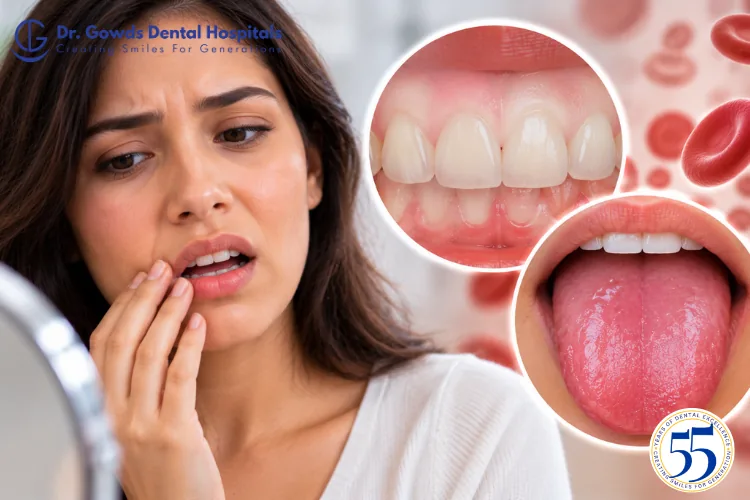
They may examine your teeth and gums for:
Depending on your symptoms, the examination may include temperature testing, bite testing, gum assessment or dental X-rays.
The goal is not simply to stop the pain. It is to identify why the tooth is reacting so that the underlying problem can be addressed.
Weather can sometimes act as a trigger, but it is important not to stop the investigation there.
If a healthy tooth becomes briefly sensitive when exposed to cold, the explanation may be dentin sensitivity. If one tooth repeatedly hurts, particularly with lingering pain, biting or swelling, there may be an underlying dental condition that needs treatment.
In other words, weather changes may reveal a problem rather than cause it.
Pay attention to the pattern, duration and severity of your symptoms. Recurring tooth pain deserves attention, even if it appears only on particularly cold or changing-weather days.
If you are experiencing recurring tooth pain when weather changes, book an appointment at Dr Gowds Dental Hospitals in Hyderabad. Our Nanakramguda, Gachibowli, Madhapur, koti branches can help evaluate the cause and guide you towards appropriate dental care.
Weather changes do not usually cause dental disease by themselves. However, cold temperatures, cold air and changes in atmospheric pressure can trigger pain in teeth that already have sensitivity, decay, cracks, exposed roots or inflammation.
Cold weather can stimulate exposed dentin and trigger movement of fluid inside microscopic dentinal tubules, producing a sharp sensation. Gum recession, enamel wear, decay and other dental problems can make this sensitivity more noticeable.
Yes. Cold air can trigger sensitivity, particularly when tooth roots are exposed or enamel has been worn down. If sensitivity is frequent, severe or limited to one tooth, a dental examination can help identify the underlying cause.
Changes in atmospheric pressure can be associated with dental pain, particularly during activities involving substantial pressure changes such as flying or scuba diving. This is known as barodontalgia. Everyday weather-related pressure changes are less significant and should not automatically be considered the cause of recurring tooth pain.
Several upper back teeth are located close to the maxillary sinuses. Sinus congestion or inflammation can create pressure that feels like tooth pain. If several upper teeth hurt together and you also have nasal congestion or facial pressure, the sinuses may be contributing.
Reducing exposure to cold air, avoiding sudden temperature changes and using toothpaste formulated for sensitive teeth may help. However, recurring pain should be evaluated by a dentist because sensitivity can be associated with decay, gum recession, cracks or other dental conditions.
See a dentist if the pain keeps returning, lasts after the temperature trigger is removed, affects one particular tooth, occurs without a trigger or is accompanied by swelling, fever, a bad taste or pain when biting.

 Gachibowli Branch