

Schedule Appointment

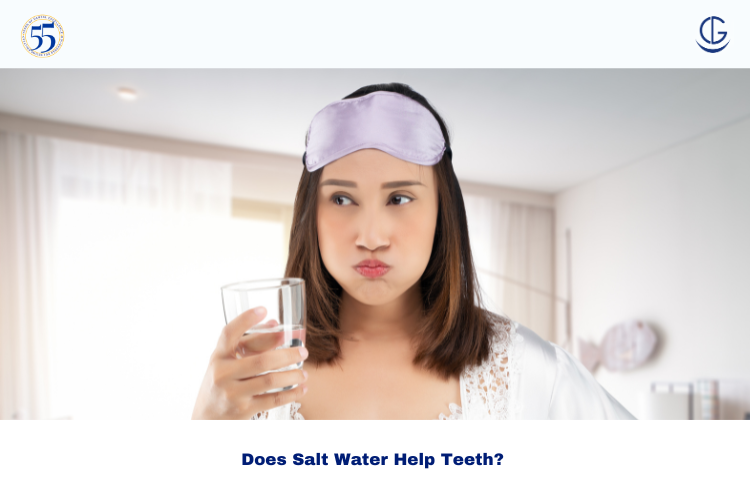
Many people rinse with salt water before bed hoping to reduce tooth pain, heal gums, freshen breath, or prevent infections. It is one of the oldest home remedies in oral care — and unlike many internet dental hacks, salt water rinses actually do have legitimate benefits when used correctly.
At Dr Gowds Dental Hospitals, dentists often recommend warm salt water rinses after dental procedures, during mild gum irritation, and for temporary relief from inflammation. But salt water is not a cure for serious dental problems, and using it incorrectly can sometimes irritate sensitive tissues.
Yes — rinsing with salt water before bed can help support oral hygiene and temporarily reduce mild inflammation in the mouth.
Salt water works mainly because it:
Using a salt water rinse before bed may help people who have:
Nighttime rinsing is especially useful because bacteria tend to remain undisturbed in the mouth for several hours during sleep.
Salt water creates a less favorable environment for certain bacteria in the mouth.
While it does not sterilize the mouth completely, it may help lower bacterial buildup temporarily — especially around inflamed gums and healing tissues.
This is one reason dentists recommend salt water rinses after:
One of the biggest benefits of rinsing with salt water before bed is reducing inflammation.
Salt helps draw fluid away from swollen tissues through osmosis, which may:
People with mild gingivitis sometimes notice temporary relief after consistent salt water rinses.
After dental procedures, food particles and bacteria can irritate healing tissues.
Warm salt water can help:
At Dr Gowds Dental Hospitals, dentists commonly recommend warm salt water rinses after:
Salt water may help reduce mild bad breath caused by:
However, persistent bad breath often has deeper causes like:
Salt water alone cannot permanently solve chronic halitosis.
Using too much salt can irritate the mouth instead of helping it.
The usual recommendation is:
The water should be warm — not hot.
Swish gently for:
Then spit it out completely.
Many dentists recommend using salt water:
Using it before bed may help because:
Salt water may temporarily soothe:
Food commonly gets trapped around partially erupted wisdom teeth.
Salt water may help:
But severe pain or swelling may indicate pericoronitis, which needs professional treatment.
Warm salt water may help reduce discomfort from:
Dentists often recommend gentle salt water rinses 24 hours after extraction to keep the area cleaner while healing.
One of the biggest misconceptions is that salt water can “cure” dental infections.
It cannot.
Salt water will not treat:
If symptoms continue or worsen, professional treatment is necessary.
When used correctly, salt water is generally safe.
However, excessive use or very concentrated salt solutions may:
Using salt water multiple times daily for long periods is usually unnecessary unless advised by a dentist.
More salt does not mean better results.
Overly salty water may irritate tissues.
Very hot water can worsen inflammation and irritate sensitive gums.
Warm water is best.
Salt water rinses support oral hygiene — they do not replace:
Temporary relief does not mean the infection is gone.
Many dental infections worsen silently underneath the gums or inside the tooth.
For most people, occasional nighttime salt water rinses are safe and may help with mild irritation or gum discomfort.
But daily long-term use is not essential for everyone.
The most important oral hygiene habits remain:
Salt water works best as a supportive home remedy — not a replacement for proper dental care.
Rinsing with salt water before bed can help soothe mild gum irritation, reduce bacteria temporarily, freshen breath, and support healing after dental procedures. Warm salt water is simple, inexpensive, and widely recommended by dentists for short-term oral care support.
However, salt water is not a cure for serious dental infections, abscesses, cavities, or advanced gum disease. Persistent pain, swelling, fever, or worsening symptoms should always be evaluated professionally.
At Dr Gowds Dental Hospitals, dental specialists help patients understand when home remedies are useful — and when professional treatment is necessary to protect long-term oral health.
Visit us at-
Dr gowds dental hospital Nanakramguda
Dr gowds dental hospital Gachibowli
Dr gowds dental hospital madhapur
Yes. Warm salt water may help reduce mild gum inflammation, temporarily lower bacteria, soothe irritation, and support oral healing before sleep.
The usual recommendation is about ½ teaspoon of salt mixed into 1 cup of warm water.
No. Salt water may temporarily soothe symptoms, but it cannot cure serious gum infections or dental abscesses.
Most people use salt water rinses occasionally or during temporary irritation. Excessive use may irritate oral tissues.
Not necessarily. Salt water is useful for soothing inflammation and healing, while antiseptic mouthwash is designed for long-term plaque and bacteria control.
 Gachibowli Branch