

Schedule Appointment


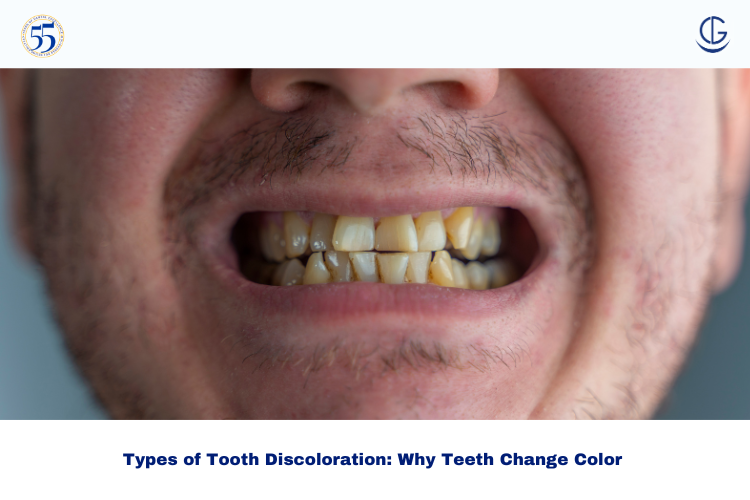
Tooth discoloration is one of the most common cosmetic dental concerns. While many people associate discolored teeth with poor oral hygiene, the reality is that teeth can change color for a variety of reasons. Understanding the different types of tooth discoloration is important because treatment depends on the underlying cause.
Some stains can be removed with professional cleaning or teeth whitening, while others may require cosmetic treatments such as veneers or bonding.
At Dr. Gowds Dental Hospitals, dentists carefully evaluate the cause of tooth discoloration before recommending personalized treatment options to restore a brighter, healthier smile.
Tooth discoloration refers to any change in the natural color of the teeth.
Teeth may appear:
Discoloration can affect a single tooth, multiple teeth, or the entire smile.
Not all tooth stains are the same.
Dentists generally classify the types of tooth discoloration into three main categories:
Each type develops differently and requires different treatment approaches.
Extrinsic discoloration affects the outer surface of the tooth enamel.
This is the most common type of tooth staining.
External stains usually result from substances that come into contact with the teeth over time.
Common causes include:
Plaque and tartar buildup can also contribute to surface staining.
Teeth may appear:
The discoloration typically affects the outer enamel layer.
This type of discoloration often responds well to:
Because the stain is on the surface, treatment is generally straightforward.
Intrinsic discoloration occurs inside the tooth structure.
Unlike external stains, intrinsic stains develop within the enamel or dentin and are often more difficult to remove.
Several factors can lead to internal tooth discoloration.
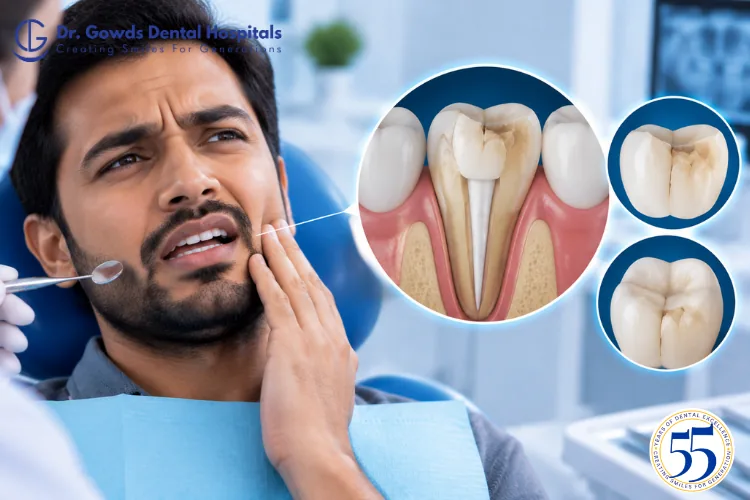
An injury can damage the tooth’s nerve and blood supply, causing the tooth to turn:
Some medications can affect tooth color during tooth development.
Examples include:
High fluoride intake during childhood may cause dental fluorosis, leading to:
Teeth that have undergone root canal treatment may gradually darken over time.
Certain genetic and developmental conditions can alter enamel formation and tooth color.
Teeth may appear:
Often, the discoloration affects the entire tooth rather than just the surface.
Treatment may involve:
The best option depends on the severity and cause.
Age-related discoloration combines both extrinsic and intrinsic factors.
As people age, the enamel naturally becomes thinner.
This allows the underlying dentin—which is naturally more yellow—to become more visible.
Several factors contribute:
Teeth often appear:
The change typically occurs gradually over many years.
Depending on severity, dentists may recommend:
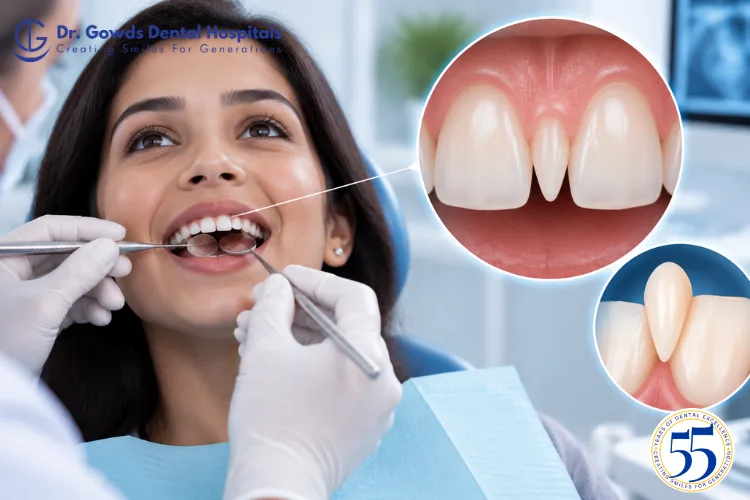
While the three main categories account for most cases, some patients experience unique discoloration patterns.
White spots can develop due to:
These appear as dark lines near the gum line and are often associated with:
Less common but sometimes seen in:
A professional dental evaluation is necessary to determine the exact cause.
Yes.
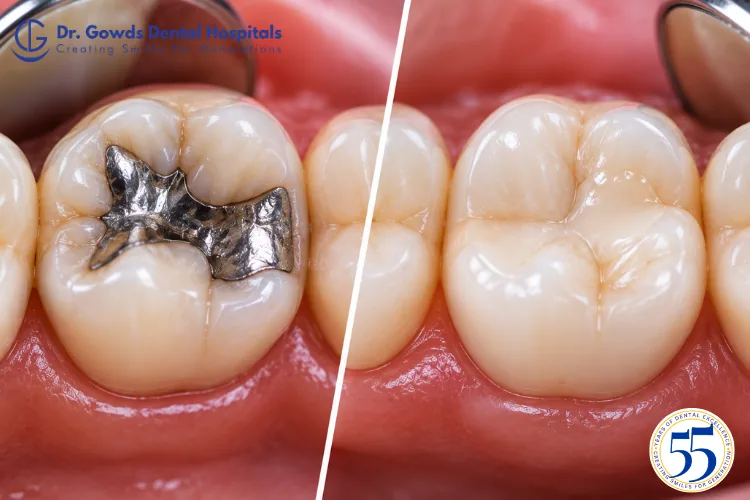
When only one tooth changes color, possible causes include:
A single dark tooth should always be evaluated by a dentist.
At Dr. Gowds Dental Hospitals, digital imaging helps identify underlying problems that may not be visible externally.
Before recommending treatment, dentists determine the source of the discoloration.
Diagnosis may include:
Assessing the color, location, and pattern of staining.
Reviewing medications, injuries, and lifestyle habits.
Checking for nerve damage, infection, or hidden problems.
Comparing shades and documenting changes.
Accurate diagnosis helps ensure the most effective treatment plan.
Understanding the different types of tooth discoloration is the first step toward choosing the right treatment. Extrinsic discoloration affects the outer enamel and is often caused by foods, drinks, or tobacco. Intrinsic discoloration develops inside the tooth and may result from trauma, medications, or developmental conditions. Age-related discoloration combines both internal and external changes that occur naturally over time.
At Dr. Gowds Dental Hospitals, dentists use advanced diagnostic techniques to identify the cause of discoloration and recommend personalized solutions ranging from professional whitening to cosmetic smile makeovers. With the right treatment, a brighter and healthier-looking smile is often achievable.
Visit us at-
Dr gowds dental hospital Nanakramguda
Dr gowds dental hospital Gachibowli
Dr gowds dental hospital madhapur
The three main types of tooth discoloration are extrinsic discoloration, intrinsic discoloration, and age-related discoloration. Each affects the teeth differently and requires different treatment approaches.
Extrinsic discoloration is usually the easiest to treat because it affects the outer enamel surface. Professional cleaning and teeth whitening often produce excellent results.
In many cases, yes. Depending on the cause, treatments such as internal bleaching, veneers, bonding, or crowns may improve the appearance of a dark tooth.
A single discolored tooth may indicate trauma, nerve damage, infection, or previous dental treatment. A dental examination is recommended to determine the cause.
No. Teeth whitening works best for extrinsic stains. Intrinsic discoloration may require alternative cosmetic treatments such as veneers, bonding, or crowns for optimal results.
 Gachibowli Branch