

Schedule Appointment



Healthy gums are the foundation of a healthy smile. They support your teeth, protect the roots from harmful bacteria, and help prevent common dental problems such as gum disease, tooth loss, and bad breath. When gums remain healthy, they create a strong barrier against infection and contribute significantly to overall oral health.
At Dr. Gowds Dental Hospitals, we often see patients focus on their teeth while overlooking the condition of their gums. However, even perfectly white teeth cannot remain healthy if the gums supporting them are diseased or inflamed.
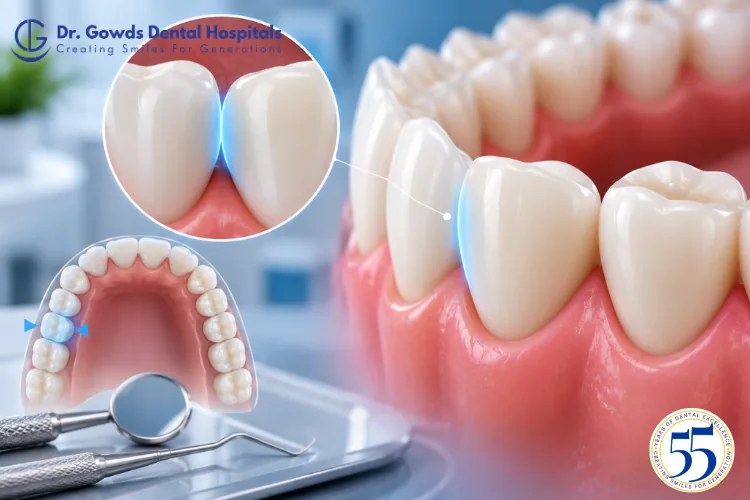
Healthy gums are firm, pink, and fit snugly around the teeth. They do not bleed during brushing or flossing and are free from swelling, tenderness, or persistent bad breath.
If your gums bleed regularly or appear swollen, it may indicate the early stages of gum disease and should not be ignored.
Healthy gums do much more than hold your teeth in place. They play a vital role in maintaining long-term oral health.
Gums act as the protective tissue surrounding your teeth and covering the underlying bone. Strong, healthy gums help keep teeth firmly anchored in place.
When gum disease develops, the supporting structures around the teeth weaken, increasing the risk of tooth mobility and eventual tooth loss.
Your gums serve as the first line of defense against harmful oral bacteria.
Poor oral hygiene allows plaque to accumulate along the gumline, leading to:
Maintaining healthy gums significantly reduces the risk of these conditions.
One of the leading causes of adult tooth loss is advanced gum disease rather than tooth decay.
When gums become infected, the inflammation gradually destroys the tissues and bone supporting the teeth. Healthy gums help preserve these structures and protect your natural teeth for life.
Persistent bad breath is often linked to bacteria trapped below the gumline.
Healthy gums are less likely to harbor infection-causing bacteria, helping maintain fresher breath and better oral hygiene.
Unlike enamel, tooth roots are not covered by a hard protective layer.
When gums recede, the roots become exposed, increasing the risk of:
Healthy gums help shield the roots and reduce these complications.
Healthy gums make everyday activities easier and more comfortable, including:
Healthy gums allow the entire oral system to function efficiently.
Unhealthy gums often develop gradually, making it easy to overlook early warning signs.
Common symptoms include:
Without treatment, mild gum inflammation can progress into severe periodontal disease, potentially leading to permanent damage.
Maintaining healthy gums requires consistent daily care and regular professional dental visits.
Use a soft-bristled toothbrush and fluoride toothpaste to remove plaque from the gumline and tooth surfaces.
Flossing removes plaque and food particles from areas a toothbrush cannot reach.
A dentist-recommended mouthwash can help reduce bacteria and support gum health.
Nutrients such as Vitamin C, calcium, and antioxidants support healthy gum tissue and immune function.
Smoking and tobacco use significantly increase the risk of gum disease and slow healing.
Professional cleanings help remove plaque and tartar buildup before they cause gum problems.
At Dr. Gowds Dental Hospitals, routine preventive care helps patients identify and address gum issues before they become serious.
Healthy gums are the foundation of good oral health. They protect your teeth, support the jawbone, reduce the risk of gum disease, and contribute to fresh breath and comfortable oral function.
By maintaining proper oral hygiene and attending regular dental check-ups, you can keep your gums healthy and protect your smile for years to come.
If you are experiencing bleeding gums, gum sensitivity, or signs of gum disease, schedule a consultation at Dr. Gowds Dental Hospitals for expert evaluation and personalized care.
Visit us at-
Dr gowds dental hospital Nanakramguda
Dr gowds dental hospital Gachibowli
Dr gowds dental hospital madhapur
Healthy gums are usually pink, firm, and fit snugly around the teeth. They should not bleed when you brush or floss, and you should not experience swelling, tenderness, or persistent bad breath.
Healthy gums support your teeth, protect the underlying bone, prevent infections, reduce the risk of tooth loss, and contribute to fresh breath. They are the foundation of a healthy smile.
Yes. When gums become inflamed or infected, they can pull away from the teeth, leading to gum recession, bone loss, tooth mobility, and eventually tooth loss if left untreated.
Common warning signs include bleeding while brushing or flossing, swollen or red gums, bad breath, gum tenderness, and receding gums. Early treatment can prevent more serious complications.
Maintain good oral hygiene by brushing twice daily, flossing every day, eating a balanced diet, avoiding tobacco products, and visiting your dentist regularly for professional cleanings and check-ups.

 Gachibowli Branch