

Schedule Appointment


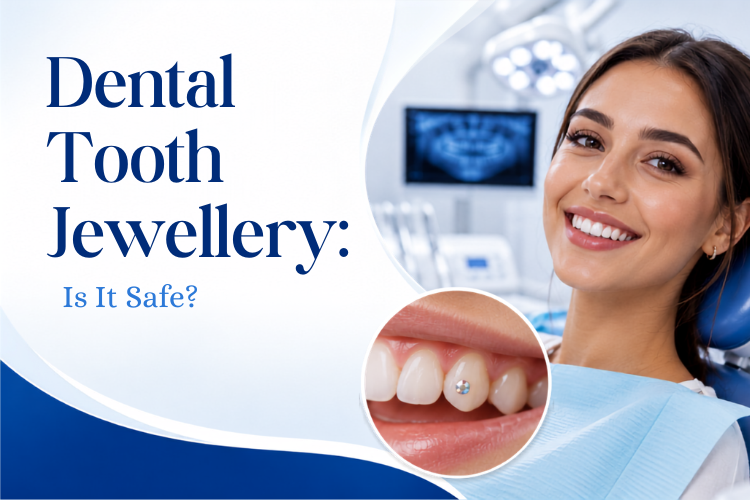
Dental Tooth Jewellery is a cosmetic dental procedure in which small decorative ornaments, such as crystals, gemstones, gold designs, or charms, are bonded to the surface of a natural tooth using dental-grade adhesive. When performed by a qualified dentist, tooth jewellery is generally considered a conservative cosmetic treatment because it usually does not require drilling or permanent alteration of healthy enamel. However, successful results depend on proper case selection, professional placement, and maintaining excellent oral hygiene.
At Dr. Gowds Dental Hospitals, cosmetic procedures such as dental tooth jewellery are planned with equal emphasis on aesthetics, patient safety, and long-term oral health.
Dental Tooth Jewellery is a cosmetic enhancement that adds a decorative accessory to the visible surface of a tooth.
Unlike permanent body modifications, most modern tooth jewellery is bonded using specialized dental materials and can usually be removed professionally without damaging healthy enamel.
The procedure is intended for patients who wish to personalize their smile while preserving the natural tooth structure.
People choose tooth jewellery for various cosmetic reasons, including:
Because the jewellery is attached to a natural tooth, professional assessment is important before placement.
Several types of Dental Tooth Jewellery are available depending on personal preference and suitability.
Crystal tooth gems are among the most popular options.
These decorative crystals are bonded directly to the tooth surface to create a subtle sparkle.
Available options include:
Crystal jewellery is often chosen for its elegant and minimal appearance.
Some patients prefer decorative gemstones for a more premium look.
Common gemstone options include:
These are attached using dental-grade bonding materials designed specifically for cosmetic dentistry.
Gold and silver ornaments provide a distinctive cosmetic appearance.
Popular designs include:
These designs allow patients to customize their smile according to their preferences.
Tooth charms are miniature decorative accessories bonded to the enamel.
Examples include:
They are selected based on individual style and desired appearance.
Tooth grills differ from bonded tooth jewellery.
Instead of being attached to the enamel, grills are removable decorative covers that fit over one or more teeth.
They are commonly made from:
Because grills cover the teeth, proper cleaning and professional fitting are important to reduce plaque accumulation and maintain oral health.
The most common locations include:
The ideal placement depends on:
A cosmetic dentist evaluates these factors before recommending placement.
The procedure is usually simple and minimally invasive.
The dentist checks that the selected tooth is healthy and free from cavities or gum disease.
Step 2: Professional Cleaning
The tooth is thoroughly cleaned to ensure optimal bonding.
Step 3: Surface Preparation
A conditioning material is applied to prepare the enamel.
Step 4: Jewellery Placement
The selected ornament is positioned carefully using a dental-grade adhesive.
Step 5: Light Curing
A curing light hardens the adhesive, securely bonding the jewellery to the tooth.
The procedure is generally completed during a single appointment.
When performed by a qualified dentist, Dental Tooth Jewellery generally does not damage healthy enamel because:
However, complications may occur if:
For these reasons, tooth jewellery should always be placed and removed by a dental professional.
You may be a suitable candidate if you have:
Your dentist will determine whether cosmetic tooth jewellery is appropriate during your examination.
Your dentist may recommend treating existing dental conditions first if you have:
Addressing these problems first improves both oral health and cosmetic outcomes.
The longevity of tooth jewellery depends on several factors, including:
Regular dental reviews help ensure the jewellery remains secure and the surrounding tooth stays healthy.
Yes.
One advantage of professionally placed Dental Tooth Jewellery is that it can usually be removed without harming healthy enamel.
During removal, the dentist carefully detaches the jewellery and polishes away any remaining bonding material, restoring the smooth surface of the tooth.
Attempting removal at home is not recommended because it may damage the enamel.
Although generally safe when professionally placed, potential concerns include:
Following your dentist’s aftercare instructions helps minimize these risks.
Dental Tooth Jewellery offers a unique way to personalize your smile without permanently altering your natural teeth. From crystal tooth gems and decorative gemstones to gold designs, silver ornaments, and artistic charms, there are numerous options available to suit different aesthetic preferences. However, professional placement is essential to protect the enamel, maintain oral hygiene, and achieve long-lasting results.
If you are considering dental tooth jewellery, consult the experienced cosmetic dentists at Dr. Gowds Dental Hospitals. A professional evaluation will help determine whether the procedure is suitable for you and ensure your smile remains both attractive and healthy.
Visit us at-
Dr gowds dental hospital Nanakramguda
Dr gowds dental hospital Gachibowli
Dr gowds dental hospital madhapur
Dental Tooth Jewellery is a cosmetic dental procedure in which decorative ornaments are bonded to the surface of a natural tooth using dental-grade adhesive.
When placed and removed professionally, dental tooth jewellery generally does not damage healthy enamel because drilling is usually not required.
Its longevity depends on oral hygiene, eating habits, bonding quality, and the type of jewellery used. Regular dental check-ups help maintain its condition.
Yes. A dentist can safely remove the jewellery and polish the tooth surface without damaging healthy enamel.
No. Patients with cavities, gum disease, poor oral hygiene, or other untreated dental problems may need treatment before cosmetic tooth jewellery is recommended.
 Gachibowli Branch