

Schedule Appointment

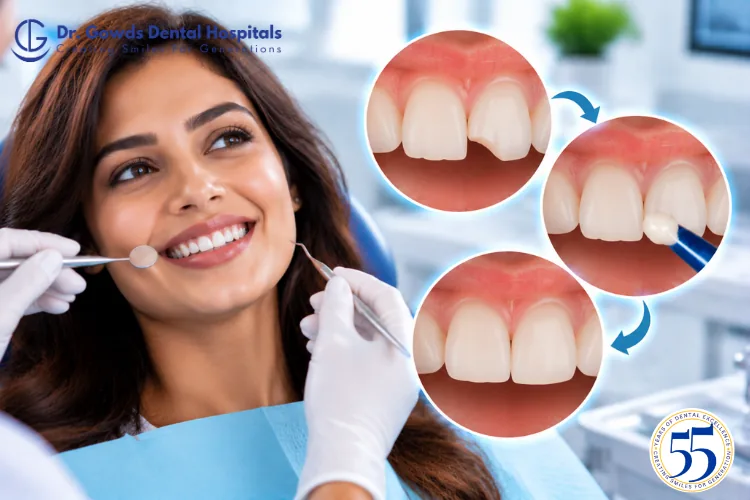
A chipped, stained, uneven, or slightly damaged tooth can affect both your smile and confidence. Dental bonding is a popular cosmetic dentistry procedure that helps improve the appearance of teeth by applying a tooth-coloured composite resin material to reshape or repair imperfections. But one common question patients ask before choosing this treatment is: how long does dental bonding last?
In most cases, dental bonding can last several years with proper care. However, its durability depends on factors such as oral hygiene habits, eating patterns, bite pressure, the location of the bonded tooth, and regular dental maintenance.
At Dr Gowds Dental Hospitals in Hyderabad, our dental experts help patients understand their cosmetic dentistry options and choose treatments based on their smile goals and long-term oral health needs.
Looking for cosmetic dental solutions in Hyderabad?
Dental bonding is a minimally invasive cosmetic dental procedure that uses a tooth-coloured composite resin to improve the shape, size, colour, or appearance of teeth.
During the procedure, a dentist carefully applies the composite material to the tooth surface, shapes it according to the desired appearance, and hardens it using a special curing light. The bonded tooth is then polished to create a natural-looking finish.
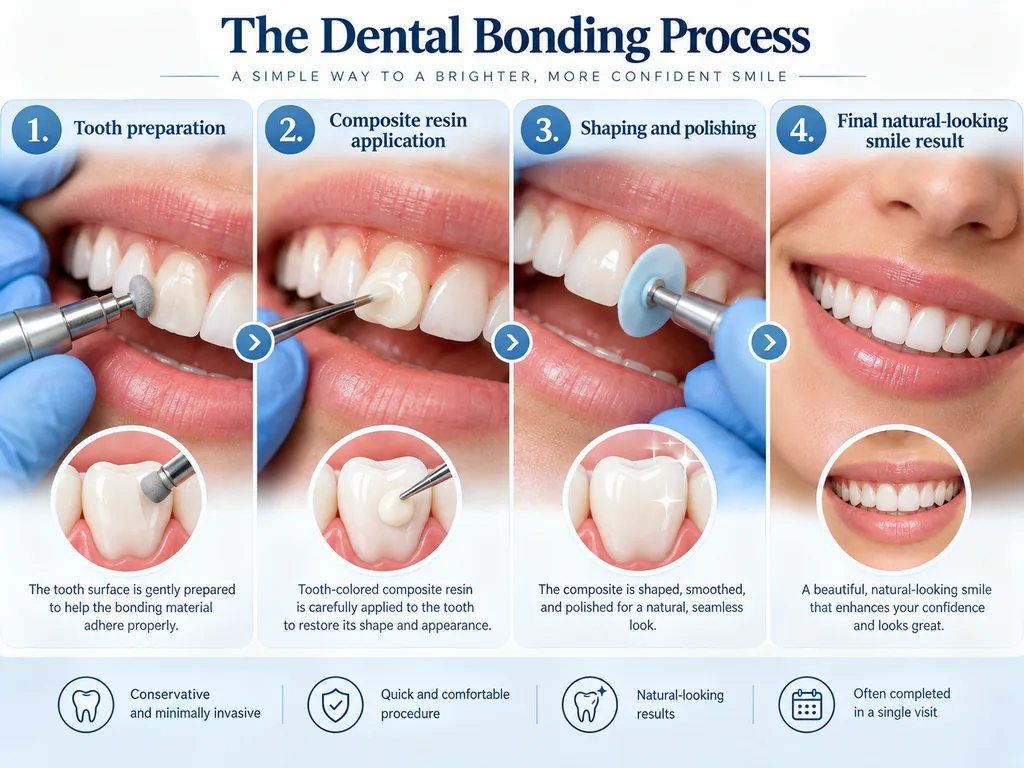
Dental bonding is commonly used for:
Unlike some other cosmetic dental treatments, bonding usually requires minimal tooth preparation, making it a conservative option for many patients.
The lifespan of dental bonding generally ranges from 3 to 10 years, depending on individual factors. Some patients may enjoy longer-lasting results, while others may require touch-ups sooner due to lifestyle habits or higher pressure on bonded teeth.
The durability of dental bonding depends on:
Front teeth bonding used for cosmetic improvements may last longer when properly maintained. However, bonding on teeth that experience heavy chewing forces may require more frequent repairs or replacement.
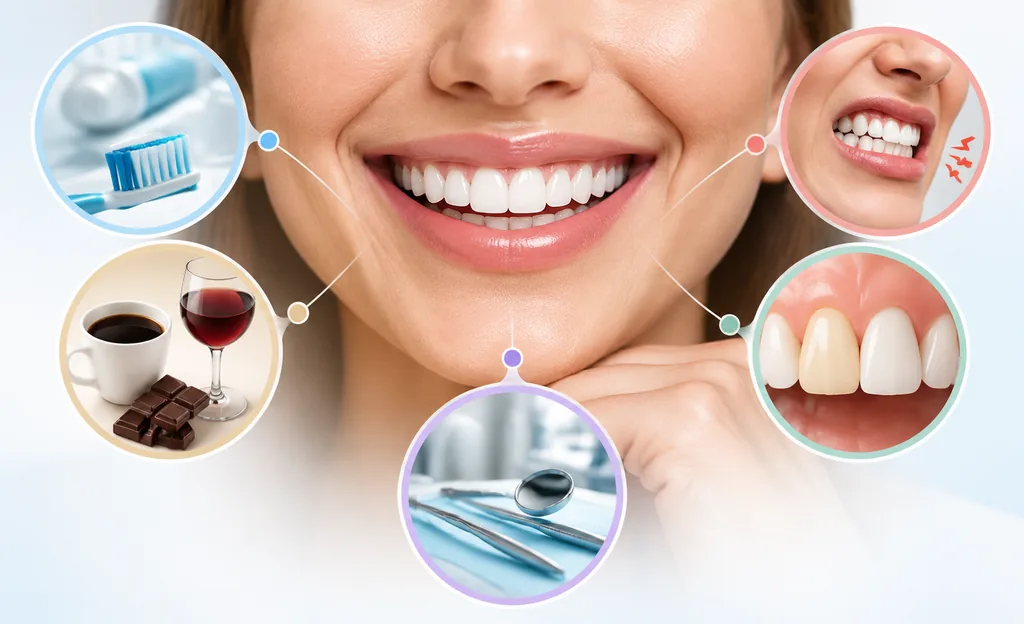
Maintaining good oral hygiene plays an important role in extending the life of dental bonding.
Poor oral care can increase the risk of:
To protect bonded teeth:
A healthy tooth surface provides better support for the bonding material.
Certain foods and beverages can affect the appearance and strength of dental bonding over time.
Frequent consumption of staining substances may cause colour changes, including:
Hard foods can also increase the risk of chipping the bonding material.
Avoid using bonded teeth to bite hard objects such as:
People who grind or clench their teeth may experience faster wear of dental bonding.
Bruxism (teeth grinding) can create repeated pressure on bonded teeth, leading to:
If you grind your teeth during sleep, your dentist may recommend protective measures such as a custom night guard.
The position of the tooth affects how long bonding lasts.
For example:
Your dentist considers tooth location before recommending dental bonding as a cosmetic or restorative option.
The skill and experience of the dentist also influence bonding results.
A successful dental bonding procedure depends on:
Choosing an experienced cosmetic dentist can help improve both appearance and durability.
With the right care, you can help extend the lifespan of your dental bonding.
Follow these practical tips:
Routine dental check-ups allow your dentist to identify early signs of wear, cracks, or staining before they become major issues.
Do not use your teeth as tools for opening packages or biting hard objects.
Daily brushing and flossing help protect the natural tooth structure supporting the bonding.
Professional dental cleaning can help remove stains and maintain a brighter smile.
If you participate in contact sports or experience teeth grinding, protective solutions may reduce damage risk.
Want to know whether dental bonding is the right cosmetic treatment for your smile? Schedule a consultation with Dr Gowds Dental Hospitals in Hyderabad and discuss your options with experienced dental professionals.
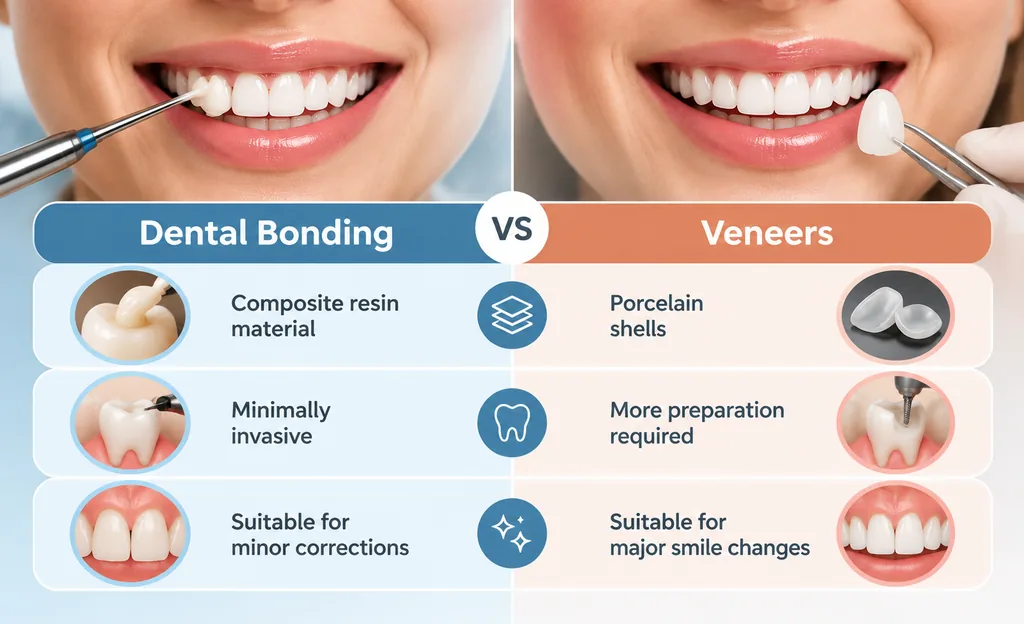
Patients often compare dental bonding with treatments such as veneers or crowns. The right choice depends on your dental condition, aesthetic goals, and long-term expectations.
Suitable for:
Advantages:
Suitable for:
Advantages:
Suitable for:
A dentist can evaluate your teeth and recommend the most appropriate treatment based on your oral health.
Dental bonding may need repair or replacement if you notice:
Regular dental visits help identify these issues early and maintain better results.
Dr Gowds Dental Hospitals provides advanced dental care with a focus on personalised treatment planning and patient comfort.
With multiple locations across Hyderabad, including Nanakramguda, Gachibowli, Madhapur, koti, patients can access comprehensive cosmetic and restorative dental treatments.
The dental team focuses on understanding each patient’s smile goals and recommending suitable options, whether it involves dental bonding, veneers, smile enhancement procedures, or other cosmetic treatments.
So, how long does dental bonding last? Dental bonding can provide reliable cosmetic improvement for several years when maintained properly. Factors such as oral hygiene, lifestyle habits, bite pressure, and professional dental care play a major role in determining its durability.
If you are considering dental bonding for chipped teeth, gaps, or smile enhancement, an evaluation by an experienced dentist can help you understand whether it is the right option for you.
Dental bonding typically lasts around 3 to 10 years depending on factors such as oral hygiene, eating habits, bite pressure, and the location of the bonded tooth. Regular dental visits and proper care can help extend its lifespan.
No, dental bonding is not considered a permanent dental restoration. The composite resin material can wear down, stain, or chip over time. However, with proper maintenance, it can provide long-lasting cosmetic improvement.
You can improve the durability of dental bonding by maintaining good oral hygiene, avoiding hard foods, limiting staining beverages, wearing a mouthguard if you grind your teeth, and attending regular dental check-ups.
Yes, dental bonding can gradually develop stains because composite resin is not completely stain-resistant. Regular consumption of coffee, tea, tobacco products, and other staining substances may affect its appearance.
Dental bonding and veneers serve different purposes. Bonding is suitable for minor cosmetic corrections and requires minimal tooth preparation, while veneers may be preferred for more extensive smile transformations. A dentist can recommend the right option based on your dental condition.
Yes, dental bonding is commonly used to repair minor chips and improve the shape and appearance of chipped teeth. Your dentist will evaluate the extent of damage before suggesting the appropriate treatment.
Dental bonding is generally a comfortable procedure because it usually requires minimal tooth preparation. Most patients do not need anaesthesia unless the tooth requires additional treatment.
The cost of dental bonding in Hyderabad varies depending on factors such as the number of teeth being treated, the complexity of the procedure, and the type of cosmetic correction required. A dental consultation can help determine the exact treatment plan and cost.
 Gachibowli Branch