

Schedule Appointment

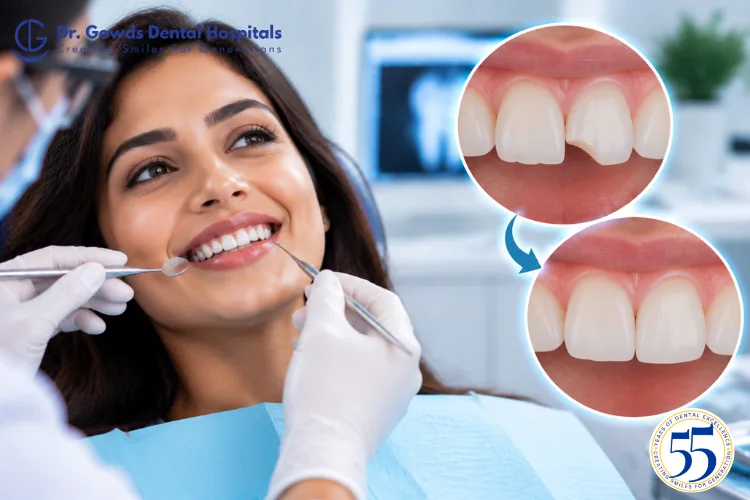
A small chip, gap, discoloration, or uneven tooth shape can affect the appearance of your smile. Dental bonding is a popular cosmetic dental procedure that helps improve the look of teeth by applying a tooth-coloured composite material and shaping it to match your natural teeth. While dental bonding is a minimally invasive treatment, many people wonder how long it lasts and how often dental bonding maintenance or touch-ups are needed.
The lifespan of bonded teeth depends on factors such as oral hygiene habits, eating patterns, biting forces, and the location of the bonded tooth. With proper care and regular dental visits, dental bonding can continue to support a natural-looking smile for years.
At Dr Gowds Dental Hospitals, our experienced dental team provides personalized cosmetic dentistry solutions across Hyderabad, helping patients maintain healthy and confident smiles.
Looking for cosmetic dental bonding in Hyderabad?
Dental bonding is a cosmetic dental procedure where a tooth-coloured composite resin material is applied to the surface of a tooth. The dentist carefully shapes and polishes the material to improve the tooth’s appearance while maintaining a natural look.
Dental bonding may be recommended for:
Unlike some cosmetic treatments that require removal of more tooth structure, dental bonding is generally a conservative option that focuses on improving aesthetics while preserving natural teeth.
The durability of dental bonding varies from person to person. In many cases, bonded teeth can last several years with proper maintenance. However, composite resin is not as strong as natural enamel or some other restorative materials, so it may require occasional polishing, repair, or replacement.
Factors that influence how long dental bonding lasts include:
Front teeth bonding may require more attention because they are more visible and can be affected by habits such as biting hard objects.
There is no fixed schedule for dental bonding touch-ups because every patient’s situation is different. Some people may maintain their bonding for many years, while others may need minor repairs sooner due to wear or accidental damage.
Generally, a dentist may recommend a dental bonding touch-up when:
Over time, daily chewing and biting can cause slight changes in the composite material. A dentist may smooth, polish, or add a small amount of composite resin to restore the appearance.
Composite resin does not respond to whitening treatments in the same way as natural teeth. Frequent consumption of coffee, tea, tobacco products, or strongly coloured foods may contribute to staining.
A professional cleaning or polishing may improve the appearance. In some cases, replacement of the bonding may be discussed.
Although dental bonding is designed to be durable, it can chip if exposed to excessive force. Touch-ups can repair minor damage and restore the tooth’s appearance.
As your teeth and gums naturally change over time, previously placed bonding may no longer match your smile aesthetics. A dentist can assess whether adjustment or replacement is required.
Knowing the early signs of bonding wear can help you seek timely dental care and prevent further cosmetic concerns.
Look out for:
If you notice any of these changes, a dental examination can help determine whether a simple touch-up or a more complete restoration is needed.
Good daily oral care plays an important role in maintaining bonded teeth. Brushing twice daily, flossing regularly, and attending dental check-ups can help protect both natural teeth and bonding material.
Certain habits can increase wear on bonded teeth.
Try to limit:
People who grind their teeth or clench their jaws may put additional pressure on bonded teeth. A dentist may recommend protective measures such as a night guard to reduce damage.
Bonding placed on teeth that experience heavy chewing forces may require more frequent maintenance compared with bonding used for minor cosmetic improvements on front teeth.
Maintaining your bonded teeth does not require complicated care. Simple habits can help extend the life of your dental bonding.
Maintain a consistent routine:
Protect your bonded teeth by avoiding:
Regular dental visits allow your dentist to identify early signs of wear, staining, or damage. Minor adjustments can often be addressed before they become larger concerns.
Mid-blog CTA:
If you are noticing changes in your bonded teeth or want to know whether your dental bonding needs a touch-up, consult the cosmetic dentistry experts at Dr Gowds Dental Hospitals, Hyderabad for a personalised evaluation.
Not every dental bonding issue requires complete replacement. Depending on the condition of the bonding material, your dentist may recommend a simple adjustment, repair, or a new restoration.
A touch-up is usually a minor correction performed when the existing bonding is mostly intact but needs improvement.
A touch-up may involve:
This option is often suitable for minor wear, small chips, or slight cosmetic changes.
Replacement may be recommended when the bonding material has significant damage or no longer provides the desired appearance.
This may be considered if:
A dental examination helps determine the most suitable approach based on your oral health and cosmetic goals.
Patients often compare dental bonding with veneers when considering cosmetic improvements. Both treatments can enhance smile aesthetics, but they differ in materials, procedure, cost, and maintenance requirements.
Advantages:
Considerations:
Advantages:
Considerations:
The right option depends on your dental condition, smile goals, and dentist’s recommendation.
At Dr Gowds Dental Hospitals, cosmetic dentistry focuses on creating natural-looking results while supporting long-term oral health. Our dental specialists evaluate each patient’s smile, tooth condition, and lifestyle before recommending treatments.
Patients visiting our Hyderabad branches can receive personalised guidance for:
A well-maintained smile starts with the right care and regular dental guidance. If you are considering dental bonding maintenance or touch-ups in Hyderabad, consult Dr Gowds Dental Hospitals for expert evaluation and personalised cosmetic dentistry solutions. Visit our branches in Nanakramguda, Gachibowli, Madhapur, koti. to take the next step towards maintaining a healthy, confident smile.
Regular dental visits are important even when your bonded teeth appear healthy. A dentist can check the condition of the bonding and identify problems that may not be visible immediately.
You should consider scheduling a dental consultation if you experience:
Early evaluation can help protect the bonding and prevent unnecessary complications.
Dental bonding does not require touch-ups at a fixed interval. The need for maintenance depends on factors such as tooth location, oral habits, diet, and the condition of the bonding material. Many patients may need occasional repairs or polishing after several years.
Dental bonding can last for several years with proper care. Its lifespan depends on factors such as oral hygiene, biting pressure, lifestyle habits, and regular dental check-ups.
Yes, minor chips in dental bonding can often be repaired with a touch-up procedure. Your dentist will examine the damage and suggest whether repair or replacement is needed.
Dental bonding does not require complicated maintenance. Regular brushing, flossing, avoiding hard biting habits, and routine dental visits can help maintain the results.
Dental bonding material does not whiten in the same way as natural teeth. If staining occurs, professional polishing may help. In some cases, replacing the bonding may be considered for better cosmetic results.
Dental bonding and veneers serve different purposes. Bonding is often suitable for minor cosmetic corrections, while veneers may be considered for more extensive smile changes. A dentist can recommend the right option based on individual needs.
You can help protect dental bonding by maintaining good oral hygiene, avoiding chewing hard objects, managing teeth grinding, and attending regular dental check-ups.
Patients looking for dental bonding treatment in Hyderabad can consult Dr Gowds Dental Hospitals at branches in Gachibowli, Puppalguda, Madhapur, and Koti for personalised cosmetic dental care.
 Gachibowli Branch