

Schedule Appointment



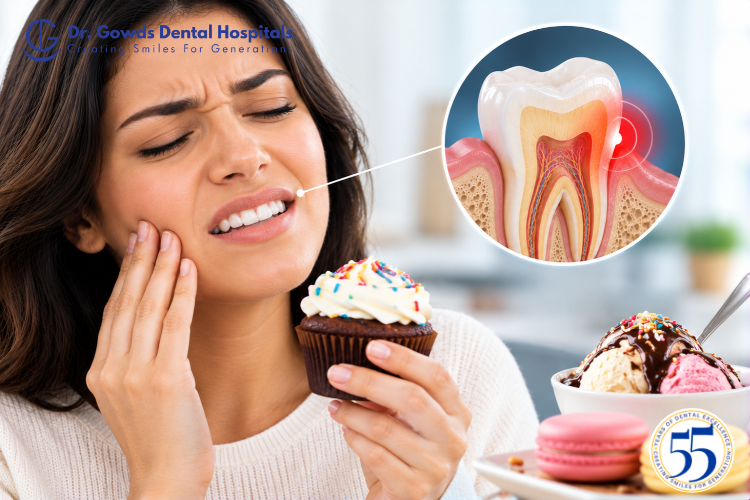
Have you ever stepped outside on a chilly morning and suddenly felt a sharp sensation in your teeth when you breathed in? If your teeth hurt when breathing in cold air, the discomfort can be surprising, especially when there is no obvious toothache at other times.
Cold air can make sensitive areas of the teeth more noticeable. The sensation may affect one tooth, several teeth, or different areas of the mouth. In some cases, it may happen only occasionally, while repeated or persistent discomfort may be worth discussing with a dentist.
There can be several possible reasons for cold air tooth pain, ranging from general tooth sensitivity to a dental issue that needs closer attention. Understanding the possible causes can help you decide what to do next.
At Dr Gowds Dental Hospitals, patients can discuss tooth sensitivity and other dental concerns with a dental professional at the Gachibowli, Puppalguda, Madhapur, or Koti branch in Hyderabad.
Experiencing tooth pain when breathing in cold air?
When you breathe in cold air, it comes into contact with the teeth and surrounding areas of the mouth. If a particular area is sensitive, you may notice a brief sharp sensation.
Some people describe it as:
The location and duration of the discomfort can provide useful information during a dental examination.
For example, sensitivity affecting one specific tooth may be different from general sensitivity affecting several teeth. Similarly, discomfort that continues after exposure to cold may need a different assessment from a sensation that disappears immediately.
There is no single explanation for every case of teeth sensitive to cold. A dentist may consider several possibilities based on your symptoms and oral examination.
General tooth sensitivity is one possible reason for discomfort when exposed to cold air. People with sensitive teeth may also notice discomfort when consuming cold drinks or foods.
The sensation is often brief, but the exact experience can vary from person to person.
Certain changes around the tooth can leave areas more exposed than usual. These areas may respond more noticeably to cold air.
If you regularly experience sensitivity around the gumline or notice discomfort from both cold food and cold air, it is worth mentioning this during a dental consultation.
The outer surface of a tooth can change over time. If a dentist notices areas of wear during an examination, they can explain whether this could be contributing to your sensitivity.
Avoiding assumptions based only on symptoms is important because similar sensations can have different causes.
Changes around the gums can sometimes make certain parts of a tooth more noticeable or sensitive. If you have also noticed changes in your gums, mention them during your dental appointment.
A tooth that has decay, damage, or another dental concern may sometimes become sensitive to cold. This is one reason recurring sensitivity should not automatically be dismissed as ordinary sensitivity.
A dentist can examine the affected tooth and determine whether further evaluation is needed.
A damaged tooth can sometimes produce unusual sensations when exposed to temperature changes. If the discomfort consistently comes from one tooth, particularly if you have noticed damage, professional assessment can help identify the cause.
Cold air is noticeably different from the air inside your mouth. When you breathe through your mouth in cold weather, the temperature difference may make an already sensitive area easier to notice.
This is particularly noticeable when:
Not everyone experiences cold air tooth pain in the same way. The intensity can also vary depending on the underlying reason for the sensitivity.
If cold air regularly triggers tooth sensitivity, a few simple habits may make the experience more comfortable while you arrange a dental assessment if needed.
When practical, breathing through your nose instead of your mouth can reduce the direct exposure of your teeth to cold outdoor air.
Using a scarf or other suitable covering around the mouth can help reduce direct exposure to very cold air when outdoors.
If cold foods or drinks also cause discomfort, reducing exposure to them may help you avoid unnecessary irritation while you determine the reason for the sensitivity.
Continue brushing and caring for your teeth as part of your usual oral hygiene routine. Avoid aggressively brushing sensitive areas.
A dentist can also advise whether any changes to your oral care routine may be appropriate.
Occasional sensitivity does not always mean there is a serious dental problem. However, repeated or unexplained discomfort should not simply be ignored.
Consider arranging a dental consultation if:
The goal is not to guess the cause based on the symptom alone. A dental examination can help identify what is happening and whether any treatment or follow-up is appropriate.
When you visit a dentist for sensitive teeth, the consultation may begin with questions about your symptoms.
You may be asked:
The dentist may then examine the affected area and decide whether additional assessment is necessary.
This information helps distinguish between general sensitivity and symptoms that may require closer attention.
You cannot always prevent cold air sensitivity because the reason behind it can vary. However, paying attention to your dental health and addressing recurring sensitivity early can help you understand the issue sooner.
Useful habits include:
The most useful approach is to identify why the sensitivity is happening rather than simply avoiding cold air indefinitely.
If your teeth hurt when breathing in cold air, the sensation may be related to tooth sensitivity or another dental concern. Cold air can make an already sensitive area more noticeable, but symptoms alone cannot determine the exact cause.
Pay attention to how often the discomfort occurs, whether one tooth is affected, and whether cold foods or drinks produce a similar sensation. If the problem keeps returning, becomes uncomfortable, or concerns you, a dental consultation can help you understand what may be happening.
Dr Gowds Dental Hospitals offers dental consultations in Hyderabad through its branches in Nanakramguda, Gachibowli, Madhapur, koti
Cold air can trigger discomfort in teeth that are sensitive to temperature changes. Several dental factors may contribute to this sensation, so recurring pain is best discussed with a dentist.
Cold weather can make tooth sensitivity more noticeable, particularly when cold air directly reaches the teeth. If the discomfort happens frequently, a dental examination can help identify the possible cause.
When sensitivity is limited to one tooth, there may be a specific dental reason for the discomfort. A dentist can examine that tooth and determine whether further assessment is needed.
Breathing through the mouth allows cold air to come into more direct contact with the teeth. If your teeth are already sensitive, this may make the sensation more noticeable.
You can reduce direct exposure to cold air by breathing through your nose when practical and covering your mouth in very cold conditions. If the sensitivity keeps returning, consider speaking with a dentist.
Occasional sensitivity may not always require immediate attention, but repeated, worsening, or unexplained sensitivity should not be ignored. A dentist can assess the affected teeth and explain the possible cause.
Consider a dental consultation if the pain keeps returning, affects one particular tooth, becomes stronger, lasts after cold exposure, or occurs along with other noticeable changes in your teeth or gums.
 Gachibowli Branch