

Schedule Appointment


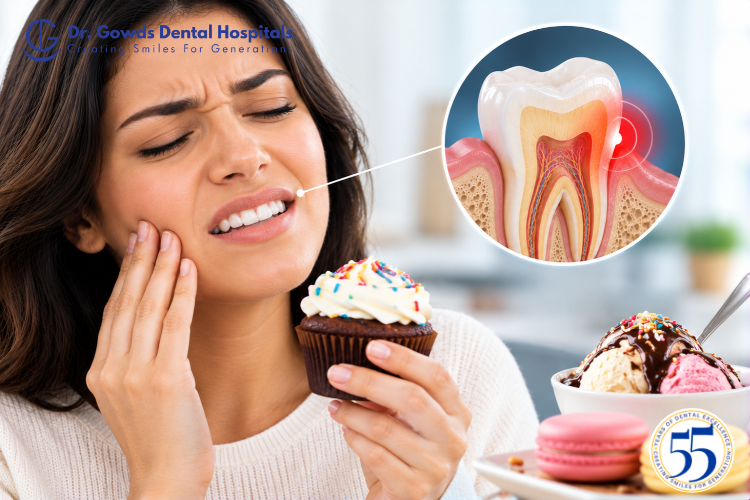
A bite of chocolate, dessert or a sweet drink should not make you stop and think, “Why do my teeth hurt when eating sweets?” Yet this kind of discomfort is something many people notice, especially when the pain comes from one particular tooth or keeps returning.
Sweet sensitivity can have several possible explanations, from everyday tooth sensitivity to an issue that needs closer dental attention. The important point is not to guess the cause from the symptom alone.
At Dr Gowds Dental Hospitals, patients can discuss recurring tooth discomfort with a dental professional and understand what may be happening before deciding what to do next.
The discomfort can vary from person to person. You may notice:
The pattern matters. A brief sensation that happens occasionally is different from pain that keeps returning or becomes stronger.
There is no single reason for sweet sensitivity. Some common possibilities include the following.
When the more sensitive inner part of a tooth is exposed or less protected, certain foods and drinks may trigger discomfort. Sweet foods can sometimes be one of those triggers.
Sensitivity may also be noticed along with reactions to cold drinks, hot foods or even brushing.
A tooth affected by decay may become sensitive to certain foods, including sweets. If the discomfort repeatedly comes from the same tooth, it is worth having that tooth examined rather than assuming it is ordinary sensitivity.
Enamel is the hard outer layer of a tooth. Changes to this protective layer can make some teeth feel more sensitive.
Habits such as frequent acidic foods and drinks, aggressive brushing or other forms of tooth wear may be relevant when a dentist is assessing sensitivity.
If the gum line has changed, parts of a tooth that are normally less exposed may become more sensitive. This can make certain foods or drinks uncomfortable.
A tooth with a filling or other previous dental treatment can sometimes feel different from neighbouring teeth. If sensitivity appears after dental work or continues for longer than expected, a dental check-up can help identify the reason.
A damaged tooth may react differently when you eat or drink. If pain is focused on one tooth, especially if it is becoming more noticeable, it should not be ignored.
Teeth do not all respond in exactly the same way. One person may eat sweets without noticing anything, while another may experience discomfort from the same food.
Factors such as the condition of the tooth surface, the gum line, previous dental work and existing sensitivity can make a difference. That is why the same symptom can have different explanations in different people.
No. Sweet sensitivity can have more than one possible cause, so pain after eating sweets does not automatically mean you have a cavity.
At the same time, repeated sensitivity should not simply be dismissed. A dental examination can help determine whether the discomfort is linked to sensitivity, decay, a damaged tooth, previous dental work or another dental concern.
Not sure why one tooth hurts whenever you eat something sweet? A consultation at Dr Gowds Dental Hospitals can help you understand the possible cause and discuss the next step.
Until you understand the reason for the discomfort, a few simple habits may help you avoid unnecessary triggers.
Keep track of whether the discomfort appears with chocolate, sweets, ice cream, sweetened drinks or other foods. Also notice whether the pain affects one tooth or several.
After having sweets, drinking or rinsing with plain water can be a simple way to clear the mouth and avoid leaving food residue for long periods.
If a particular tooth hurts when you eat sweets, repeatedly eating the same food to “check” it can make the experience uncomfortable without helping identify the cause.
Brush regularly with a soft-bristled toothbrush and avoid aggressive pressure. Good everyday oral care is useful, but it should not replace an examination when pain keeps returning.
If sweet sensitivity keeps happening, becomes more noticeable or is limited to one tooth, professional evaluation is a sensible next step.
A dental visit usually begins with a conversation about what you are experiencing. Your dentist may want to know:
The dentist can then examine the teeth and surrounding areas to look for possible causes. Depending on what is found during the examination, additional assessment may be considered.
The goal is simple: understand why the tooth is reacting instead of treating every case of sweet sensitivity in the same way.
An occasional brief sensation may not tell you much on its own. However, recurring discomfort deserves attention, particularly when:
A dentist can assess the tooth and help you understand whether the sensitivity is something minor or needs further dental care.
Children can also complain that their teeth hurt after eating sweets. Since children may find it difficult to describe exactly what they are feeling, parents should pay attention if a child repeatedly avoids certain foods, points to one tooth or complains about pain during meals.
If the complaint keeps returning, a dental visit can help identify what is causing the discomfort and whether any follow-up is needed.
There is no single habit that guarantees you will never experience tooth sensitivity. However, consistent oral care can support better dental hygiene.
Helpful everyday habits include:
These habits are part of everyday dental care. If a tooth already hurts when you eat sweets, however, identifying the cause is more useful than simply trying to avoid every sweet food.
So, why do my teeth hurt when I eat sweets? The answer can vary. Sensitivity, tooth decay, changes to the enamel, gum-line exposure, previous dental work or a damaged tooth are among the possibilities a dentist may consider.
The key is to pay attention to the pattern. If the same tooth repeatedly hurts after sweets, or the discomfort is becoming more noticeable, do not rely on guesswork.
Dr Gowds Dental Hospitals provides dental consultations across Hyderabad, with branches in Nanakramguda, Gachibowli, Madhapur, koti.
Experiencing tooth pain when eating sweets? Book a consultation at Dr Gowds Dental Hospitals in Hyderabad and visit the branch that is most convenient for you.
Teeth can hurt after eating sweets for several possible reasons, including tooth sensitivity, decay, changes to the enamel, gum-line exposure, previous dental work or a damaged tooth. A dental examination can help identify the likely cause.
Sugar or sweet foods may trigger discomfort in teeth that are already sensitive or have an underlying dental concern. If the discomfort keeps returning, consider having the affected tooth examined.
No. Pain after eating sweets does not automatically mean you have a cavity. Tooth sensitivity and several other dental factors can also cause discomfort.
When discomfort is limited to one tooth, it may be useful to have that particular tooth examined. Previous dental work, sensitivity, decay or damage are among the factors a dentist may consider.
Chocolate and other sweet foods can trigger sensitivity in some teeth. If the same tooth repeatedly hurts when eating chocolate, a dental check-up can help determine why.
The answer depends on what is causing the sensitivity. If discomfort keeps returning, it is better to have the teeth assessed rather than assuming it will disappear on its own.
You can avoid foods that trigger discomfort, rinse with water after eating and maintain a gentle oral-care routine. If the pain continues, a dental consultation can help identify the underlying reason.
Consider a dental visit if sensitivity is recurring, becoming more noticeable, affecting one particular tooth, continuing after eating or interfering with your normal eating habits.
 Gachibowli Branch