

Schedule Appointment


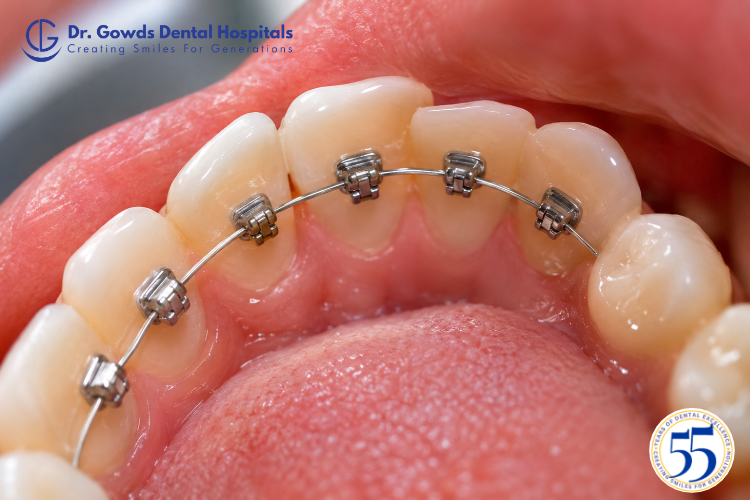
A family dental clinic can offer several orthodontic options, but choosing between them can be confusing when you want your braces to be less noticeable. Lingual braces are designed differently from conventional braces because they are placed on the inner surfaces of the teeth, making them commonly known as behind-the-teeth braces.
If you are searching for a Best Dental Hospital in Hyderabad and specifically want to understand whether lingual braces could suit your orthodontic needs, this guide explains how they work, who may consider them, what daily care involves, and what to discuss with an orthodontist.
Thinking about orthodontic treatment?
Lingual braces are a type of fixed orthodontic appliance attached to the inner side of the teeth, the surface facing the tongue.
Traditional braces are usually positioned on the front of the teeth. Lingual braces use a different placement, which means the brackets and wires are positioned behind the teeth rather than directly on the visible front surfaces.
The basic components can include:
Because the braces sit behind the teeth, they are not as immediately visible when someone looks at you from the front.
Lingual orthodontics follows the same general concept of applying controlled forces to teeth through an orthodontic appliance.
The orthodontist first evaluates the teeth, bite and overall oral condition. Based on this assessment, a treatment plan is prepared and the lingual appliance is positioned on the inner surfaces of the teeth.
During treatment, appointments may be required to monitor progress and make adjustments.
The exact treatment approach depends on factors such as:
This is why an orthodontic consultation is important before deciding whether lingual braces are appropriate.
Lingual braces may appeal to people who want a fixed orthodontic appliance while keeping the visible front surfaces of their teeth relatively unobstructed.
Adults who are concerned about the appearance of conventional braces may consider lingual braces.
This can be particularly relevant for people who regularly attend meetings, work with clients, appear in public or simply prefer an orthodontic appliance that is less noticeable from the front.
Some people prefer a fixed appliance rather than a removable orthodontic option.
Lingual braces remain attached to the teeth during treatment, so they do not depend on remembering to remove and replace the appliance throughout the day.
For some patients, the main attraction of lingual braces is their placement.
Since the brackets are positioned behind the teeth, the appliance is generally less visible from the front than conventional braces.
However, this does not mean that lingual braces are completely invisible. Their visibility can depend on factors such as tooth position, the appliance design and how widely someone opens their mouth while speaking or smiling.
Not every orthodontic case is automatically suitable for lingual braces.
An orthodontist needs to assess the individual condition of the teeth and bite before recommending this option. The decision should be based on the patient’s orthodontic requirements rather than appearance alone.
The main reason people search for braces behind the teeth is their placement.
Some features that may make them worth discussing with an orthodontist include:
The suitability and expected experience can vary from one person to another, so a consultation should come before making a decision.
Lingual braces offer a different treatment experience from traditional braces. Their position behind the teeth means that patients need to become accustomed to having an appliance close to the tongue.
When lingual braces are first placed, the tongue may come into contact with the brackets and wires more frequently than it would with braces placed on the front of the teeth.
Some people may need time to adjust to the appliance while speaking and eating.
Cleaning around any fixed orthodontic appliance requires attention.
With lingual braces, the brackets are located on the inner surfaces of the teeth, which can make visual access more challenging.
An orthodontist or dental professional can explain suitable brushing and cleaning techniques for the particular appliance.
Lingual braces require follow-up appointments as part of the planned orthodontic process.
During these visits, the orthodontist can assess the progress of treatment and make adjustments when required.
The frequency and duration of appointments depend on the individual treatment plan.
Both options use brackets and wires, but their placement is different.
| Feature | Lingual Braces | Traditional Braces |
| Bracket position | Inner surface of teeth | Front surface of teeth |
| Visibility from the front | Generally less visible | More visible |
| Cleaning access | Can require extra attention | Front surfaces are easier to see |
| Adjustment period | Can involve getting used to the tongue-side appliance | Usually involves a different adjustment experience |
| Suitability | Depends on individual orthodontic assessment | Depends on individual orthodontic assessment |
The better option is not simply the one that looks less noticeable. The choice should consider your orthodontic requirements, lifestyle, preferences and the recommendation of your orthodontist.
Lingual braces and clear aligners are often considered by people who want a less noticeable approach to orthodontic treatment, but they work differently.
Lingual braces are fixed appliances attached to the inner surfaces of the teeth. Clear aligners are removable trays that are worn according to an orthodontic treatment plan.
When comparing the two, consider:
A consultation can help determine which options are worth considering for your particular needs.
Good oral hygiene becomes particularly important when you have a fixed orthodontic appliance.
A practical daily routine can include:
Clean the teeth and around the brackets according to the instructions provided by your dental team.
Because the brackets are positioned behind the teeth, spend adequate time cleaning the areas around the appliance.
Ask your dental professional about suitable methods for cleaning between teeth and around orthodontic components.
Keep your planned orthodontic appointments so that your appliance and treatment progress can be reviewed.
Different lingual systems can have different designs. Follow the cleaning and care instructions given specifically for your appliance.
The cost of lingual braces in Hyderabad can vary from one patient to another.
Factors that may influence the overall cost include:
Because there is no single price that applies to every patient, it is better to discuss the treatment plan and associated costs during a consultation rather than relying on a general online estimate.
There is no universal answer.
Lingual braces may be worth discussing if you:
An orthodontic assessment is the appropriate starting point because appliance selection depends on the individual condition of your teeth and bite.
Before choosing lingual braces, consider asking:
Taking time to understand these points can help you make a more informed decision.
Choosing an orthodontic appliance is a personal decision. At Dr Gowds Dental Hospitals, patients can discuss lingual braces and other orthodontic options based on their individual dental requirements and preferences.
With branches in Nanakramguda, Gachibowli, Madhapur, koti, patients in different parts of Hyderabad can choose a convenient location for their dental consultation.
Looking for orthodontic care in Hyderabad? Contact Dr Gowds Dental Hospitals to discuss lingual braces and find out which orthodontic options may be appropriate for your needs.
Lingual braces are fixed orthodontic appliances placed on the inner surfaces of the teeth rather than the front surfaces. They are also commonly called behind-the-teeth braces.
Adults may consider lingual braces when they prefer a less noticeable fixed orthodontic appliance. Suitability depends on the individual’s teeth, bite and orthodontic requirements.
No orthodontic appliance should automatically be described as completely invisible. Lingual braces are positioned behind the teeth, so they are generally less noticeable from the front.
Cleaning lingual braces can require additional attention because the brackets are positioned behind the teeth. Your dental professional can demonstrate appropriate cleaning techniques for your appliance.
The cost varies depending on the appliance, orthodontic requirements, treatment complexity and other factors. A consultation is needed to determine the appropriate treatment plan and associated cost.
Neither option is automatically better for everyone. Lingual and traditional braces have different designs and placement. The appropriate choice depends on your orthodontic needs, preferences and professional assessment.
Lingual braces and clear aligners are different orthodontic options. Whether either option is suitable depends on the individual case, so an orthodontic consultation is recommended before choosing between them.



 Gachibowli Branch